Perspectives
Sunulife · Tue, Jun 2, 2026 · 2 min read
A Half-Century of African Complaints: What Next for the World Bank’s Accountability?
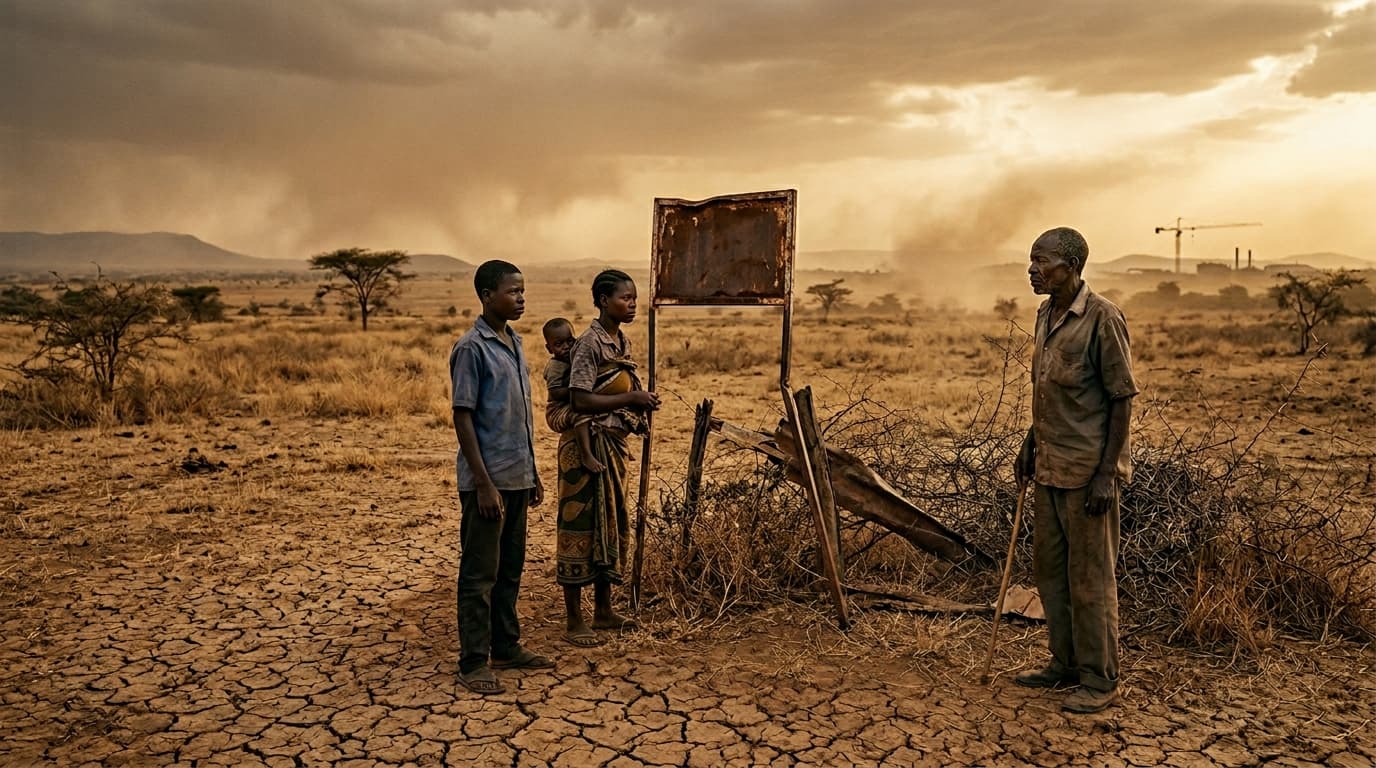
In 1994, the World Bank made history by creating the Inspection Panel, the first independent accountability mechanism at any international organization. A breakthrough for communities in the Global South, who could finally denounce destructive projects without relying on diplomatic channels. Thirty years later, of the 186 complaints filed, 52 come from Africa — from Senegal to Kenya, Ghana to Zambia. These complaints tell an unvarnished story: botched consultations, ignored environmental assessments, forced displacements. Human tragedies that the Bank’s own policies were meant to prevent. Today, the World Bank wants to become 'bigger and better.' Under the banner 'One WBG,' it pushes for greater collaboration among its five institutions. But this merger of accountability mechanisms — the Inspection Panel, the Compliance Advisor Ombudsman, and the dispute resolution body — raises a crucial question for Africa: who will protect communities when projects become more complex and responsibilities more blurred? For while integration promises efficiency, it also risks diluting the independence of recourse bodies. A task force report commissioned in September 2025 outlines several scenarios. It acknowledges the exercise is 'feasible but complex.' The three current mechanisms have different cultures, policies, and practices. Merging them carelessly could create a bureaucratic monster less accessible to complainants — often peasants, fishermen, illiterate women who speak neither Englis