
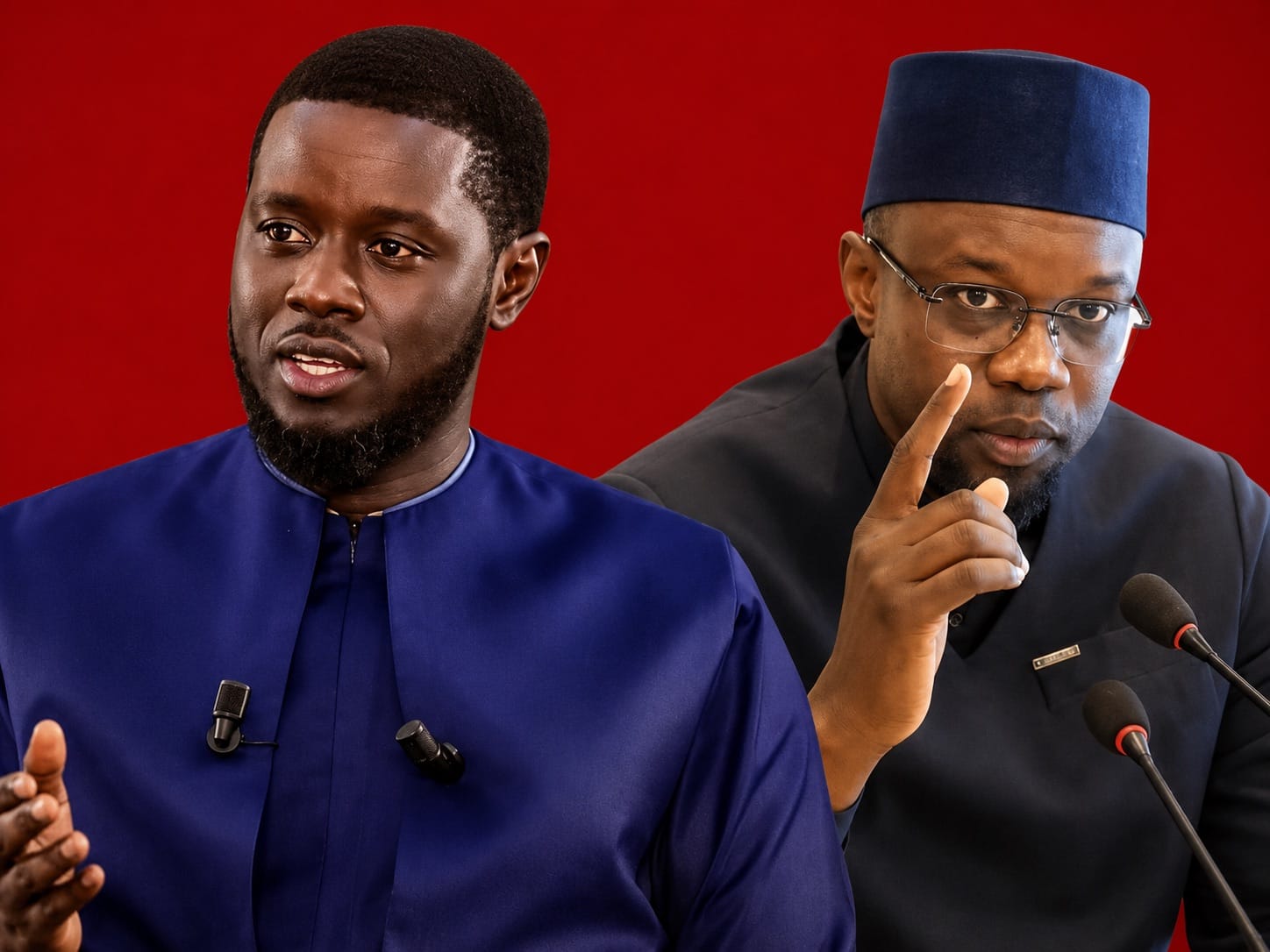
Never Put Too Much Trust in Friends: What the Diomaye–Sonko Rupture Teaches Us About Betrayal, Power, and the Architecture of Human Trust
The Diomaye–Sonko rupture in Senegal illustrates that betrayal often comes from those closest, as unpayable debts and power transformations corrode trust, echoing Robert Greene's law: never put too much trust in friends.
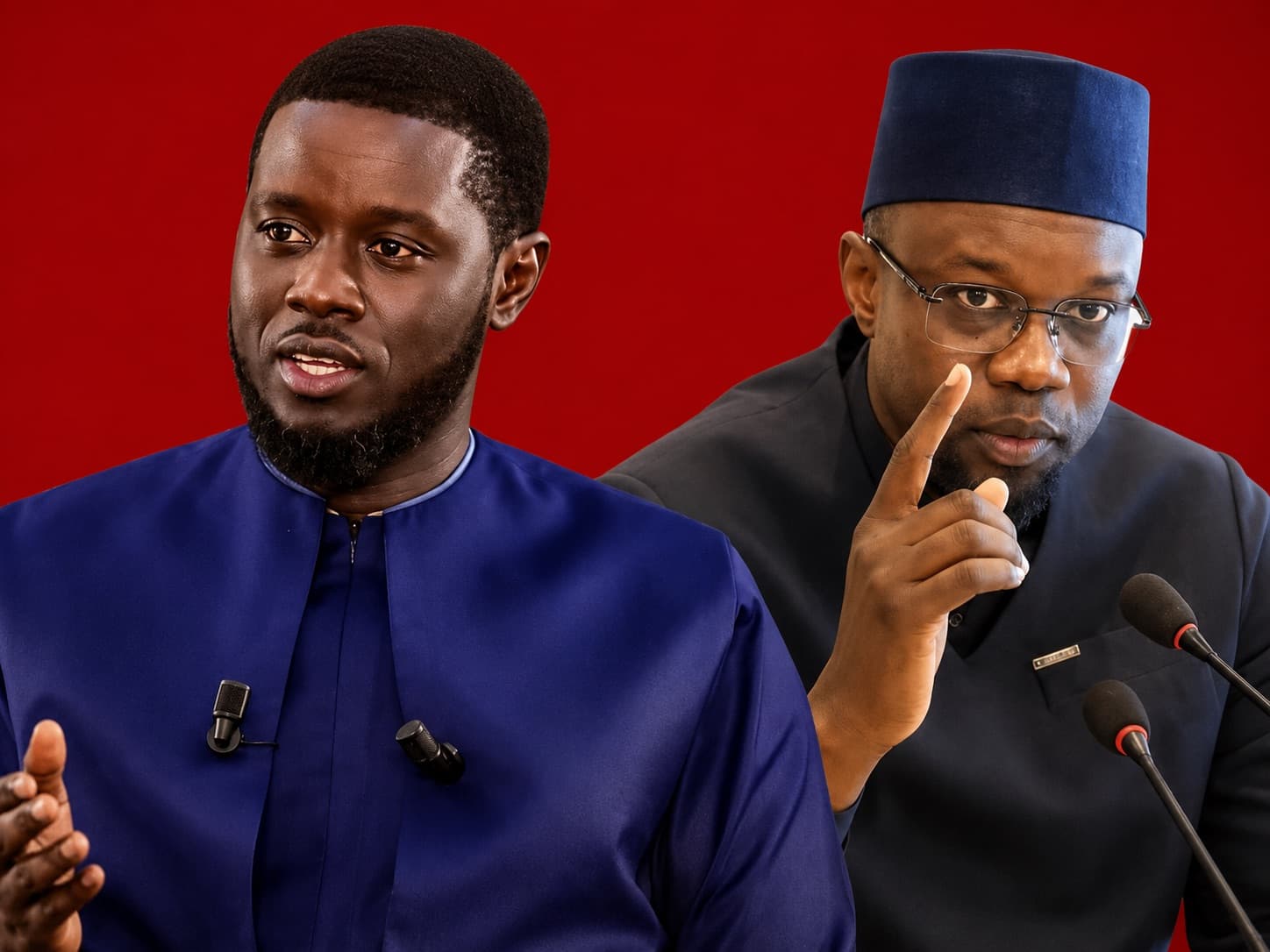
There is a photograph that will haunt Senegalese political memory for a generation: two men on a campaign poster, side by side, one slogan beneath them — Diomaye moy Sonko. Diomaye is Sonko. Not "Diomaye, endorsed by Sonko." Not "Diomaye, ally of Sonko." An equation. A fusion of identities so complete that the people were asked to vote for one man as the vessel of another.
On May 22, 2026, that equation was dissolved by decree.
The man who could not run gave his movement, his charisma, and his electorate to the man who could. The man who received them, once installed in the Palace, eventually concluded that he could no longer govern in his benefactor's shadow. Within days, Sonko was out of the Primature, PASTEF was out of government, and the two architects of Senegal's democratic rupture of 2024 were giving dueling versions of their divorce — one through a presidential decree, the other through a press conference in which Sonko refused to dress the separation in diplomatic language.
I am not interested, here, in adjudicating who was right. I wrote elsewhere about the political mechanics of this rupture — the parricide, the inheritance of charisma, the logic of the Prince. This essay asks a different question, one that concerns not presidents but all of us:
Why does betrayal so often come from the people closest to us — and what should an ordinary human being do with that knowledge?
How do you protect yourself from betrayal when trust and ambition share the same table — and what would your elders say about mixing friendship with power?