Perspectives
Sunulife · Tue, Jun 2, 2026 · 2 min read
What If Africa Kept Its Money at Home?
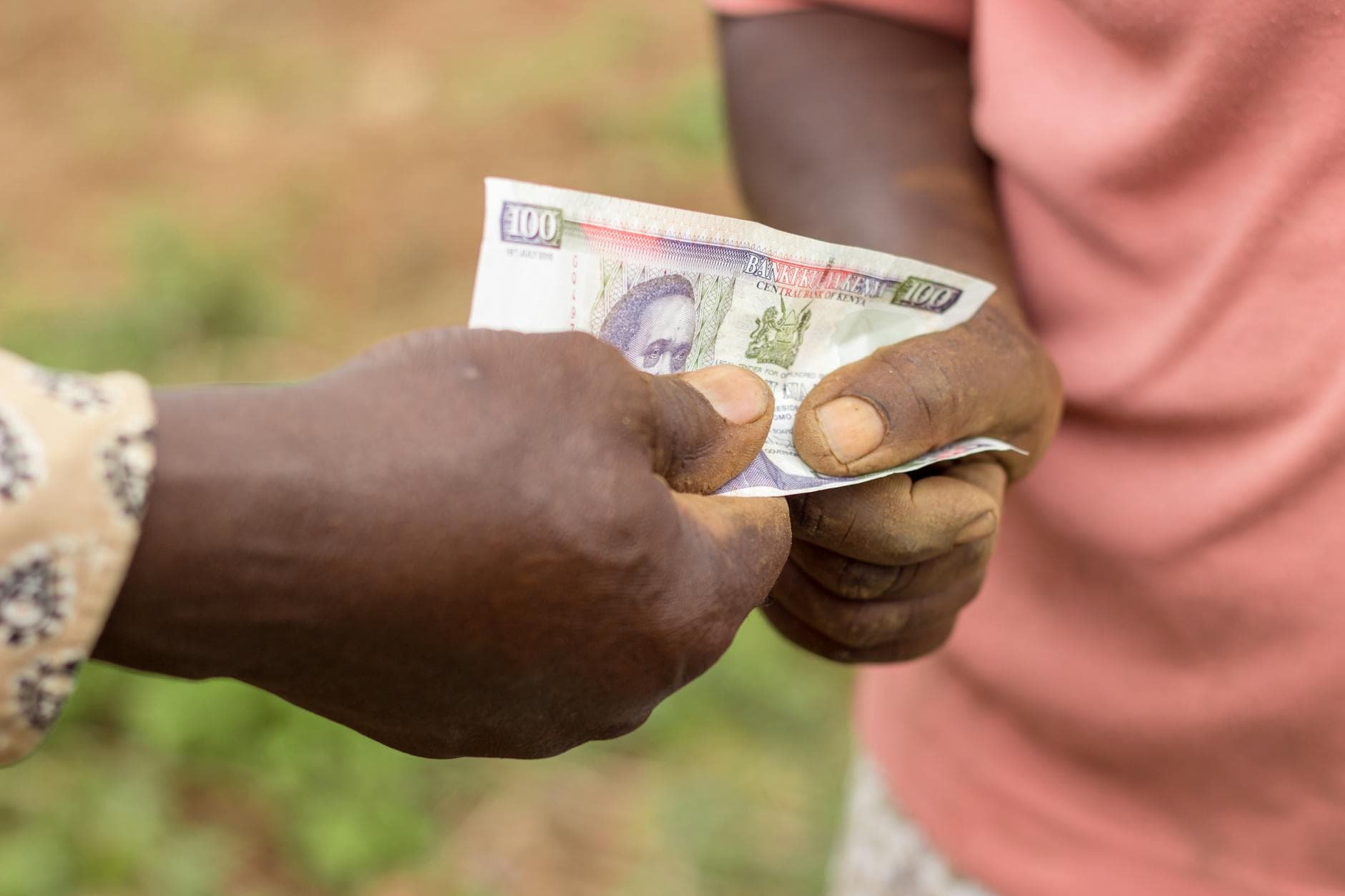
Imagine handing your savings to a neighbor, who lends them to someone else, who then sells them back to you at a usurious rate. This is precisely what Africa does with its foreign reserves. Our central banks, sovereign wealth funds, and pension funds park colossal sums — nearly $530 billion in reserves alone — in foreign “safe” assets like US Treasuries, earning an average of 3.5% annually. Meanwhile, the same Western institutions reinvest that money in Africa through Eurobonds, at rates between 9% and 15%. The result is a silent wealth transfer from South to North, a quiet hemorrhage that starves the continent of the resources it needs for development. This mechanism is no accident. It is hardwired into the rules imposed by the IMF, the World Bank, and the credit rating agencies. To be considered “investment grade,” assets must be rated by Moody’s, S&P, or Fitch. Most African financial instruments, by design, do not qualify. National regulators, trapped by these norms, have no choice but to export local savings. The consequence: shallow African financial markets, unable to finance industrialization, infrastructure, or job creation. The vicious circle is perfect: market weakness justifies foreign investment, which in turn keeps markets weak. Yet solutions exist. The Afreximbank Central Bank Deposit Programme, launched in 2014, has already mobilized over $44 billion — about 9% of total reserves. Participating central banks earn between 6% and 6.5%, nearly double what Europ