Perspectives

Sunulife · Sat, Dec 27, 2025 · 3min read

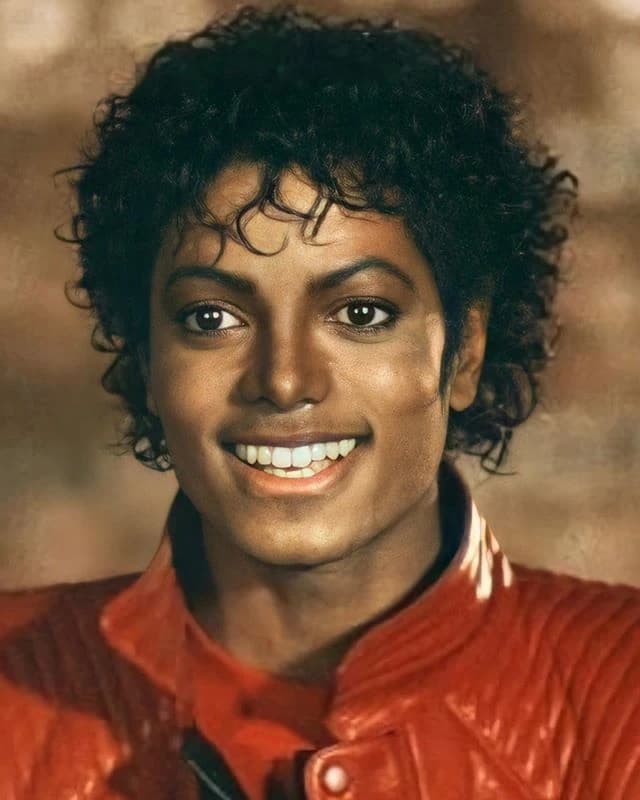
The Demonization of Michael Jackson: Racial Motives in the Campaign to Destroy a Black Icon's Legacy
The Demonization of Michael Jackson: Racial Motives in the Campaign to Destroy a Black Icon's Legacy
Favourite

Michael Jackson, the undisputed King of Pop, rose from child stardom to become one of the most influential and wealthiest Black entertainers in history. His unprecedented global success—selling hundreds of millions of records, breaking racial barriers on MTV, and amassing a fortune—made him a symbol of Black excellence transcending boundaries. Yet, in the eyes of many supporters, particularly within Black communities, the repeated child molestation accusations against him were not merely about alleged crimes but part of a broader, racially motivated effort to demonize and dismantle the legacy of an influential Black figure. This perspective argues that Jackson's case fits a historical American pattern of targeting successful Black individuals to neutralize their cultural and economic power.

The Accusations and Their Racial Undercurrents

The allegations against Jackson began in 1993 with claims from a young boy and his family, leading to a settlement, and escalated in 2003-2005 with charges involving another boy, resulting in a high-profile trial where Jackson was acquitted on all counts. Posthumously, the 2019 documentary Leaving Neverland revived the narrative through testimonies from two men claiming abuse as children. Critics of the accusations highlight how they tapped into deep-seated racial stereotypes. Historical fears of the "Black male sexual predator," rooted in the Jim Crow era and used to justify lynchings, resurfaced. Accusations involving white children amplified this trope, making it easier for media and public to presume guilt against a Black man, even one as eccentric and globally adored as Jackson. Cultural analysts have noted that Jackson's earlier "desexualized" image—as a perpetual child-like figure—had protected him somewhat, but the charges reframed him as hypersexualized and dangerous, aligning with longstanding biases against Black masculinity. Some deeper interpretations suggest Jackson's behavior and the accusations reflected internalized racial trauma. Writers like Greg Tate have theorized that any alleged actions could stem from a subconscious "revenge" against systemic racism, though this remains speculative and controversial. Within Black communities, loyalty to Jackson often stemmed from viewing him as a victim of racial targeting. His success challenged white dominance in entertainment, and his ownership of the Beatles' catalog (a massive financial asset) reportedly irked industry powers. Supporters argue the media frenzy and legal pursuits were disproportionately intense compared to similar cases involving white celebrities.

Ties to Neverland and Perceptions of Innocence

Central to the allegations was Neverland Ranch, Jackson's fantastical home filled with amusement rides, animals, and child-friendly attractions. Jackson described it as a space to recapture his lost childhood, inviting disadvantaged and ill children to visit. Prosecutors portrayed it as a predatory lure, but defenders see it as evidence of his Peter Pan-like innocence, warped by fame and racial pressures that denied him a normal upbringing.

Historical Context: A Pattern of Targeting Black Icons

Jackson's ordeal echoes historical efforts to discredit influential Black figures. From the FBI's COINTELPRO surveillance of Martin Luther King Jr. (including attempts to expose affairs) to smear campaigns against Black Panthers and civil rights leaders, U.S. institutions have neutralized perceived threats. Successful Black entertainers and athletes have faced similar scrutiny, often amplified by media invoking racial tropes. This pattern, proponents argue, serves to prevent Black wealth accumulation and cultural dominance. Jackson's billions and global influence made him a prime target, much like how other Black moguls have faced IRS audits, lawsuits, or public scandals at peak power.