Perspectives
Sunulife · Fri, Jul 10, 2026 · 2 min read
Sovereign Ratings: The Hidden Cost of Western Bias Against Africa
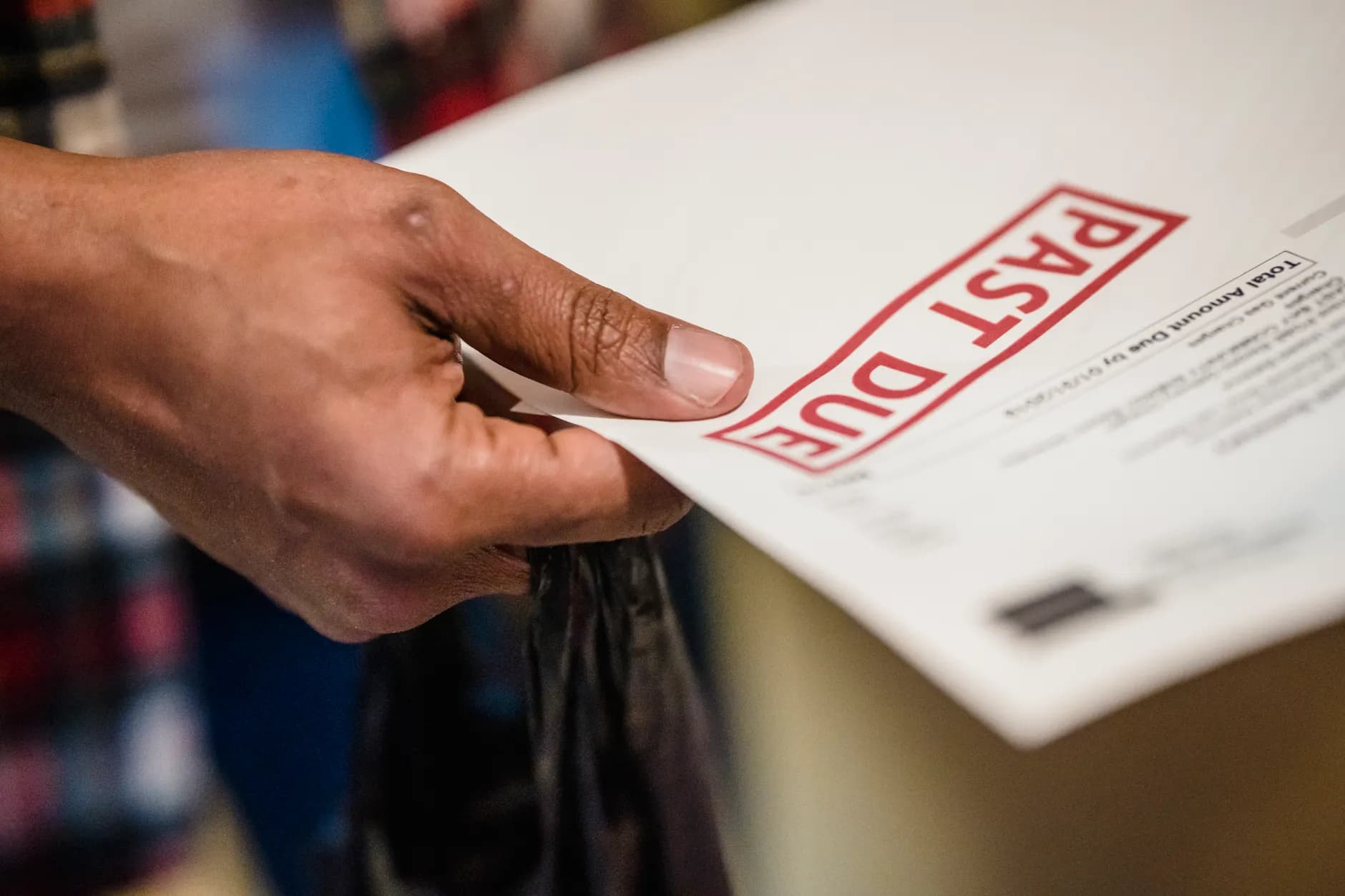
In international finance, a sovereign credit rating is a verdict. It determines the cost of capital, investor confidence, and a government's fiscal room to maneuver. But when three agencies—Moody's, S&P Global, and Fitch—examine the same African balance sheet and return radically different judgments, doubt is no longer optional. This is not a technical discrepancy: it is a systemic flaw. Consider Afreximbank. Between June 2025 and January 2026, Fitch downgraded the bank three times, from BBB to BB+—junk status. Meanwhile, Moody's and S&P maintained investment-grade ratings. A three-notch gap on the same institution, with the same data. Fitch argued that the bank's role in African trade finance was 'diminishing'—a claim contradicted by on-the-ground realities. Asian agencies, by contrast, kept stable ratings, recognizing Afreximbank's preferred creditor status. The Dangote case is even more telling. In August 2024, Fitch downgraded the Nigerian industrial giant, citing refinancing risks tied to its new oil refinery. One year later, that refinery had turned Nigeria into a regional exporter, slashed imports, and bolstered energy security. Fitch was wrong, and its error nearly derailed the project. Dangote terminated its contract with the agency, shifting its focus to African-based rating firms. Kenya provides a third example. In July 2024, Moody's downgraded the country after the government withdrew planned tax hikes in response to protests. S&P, more cautious, waite