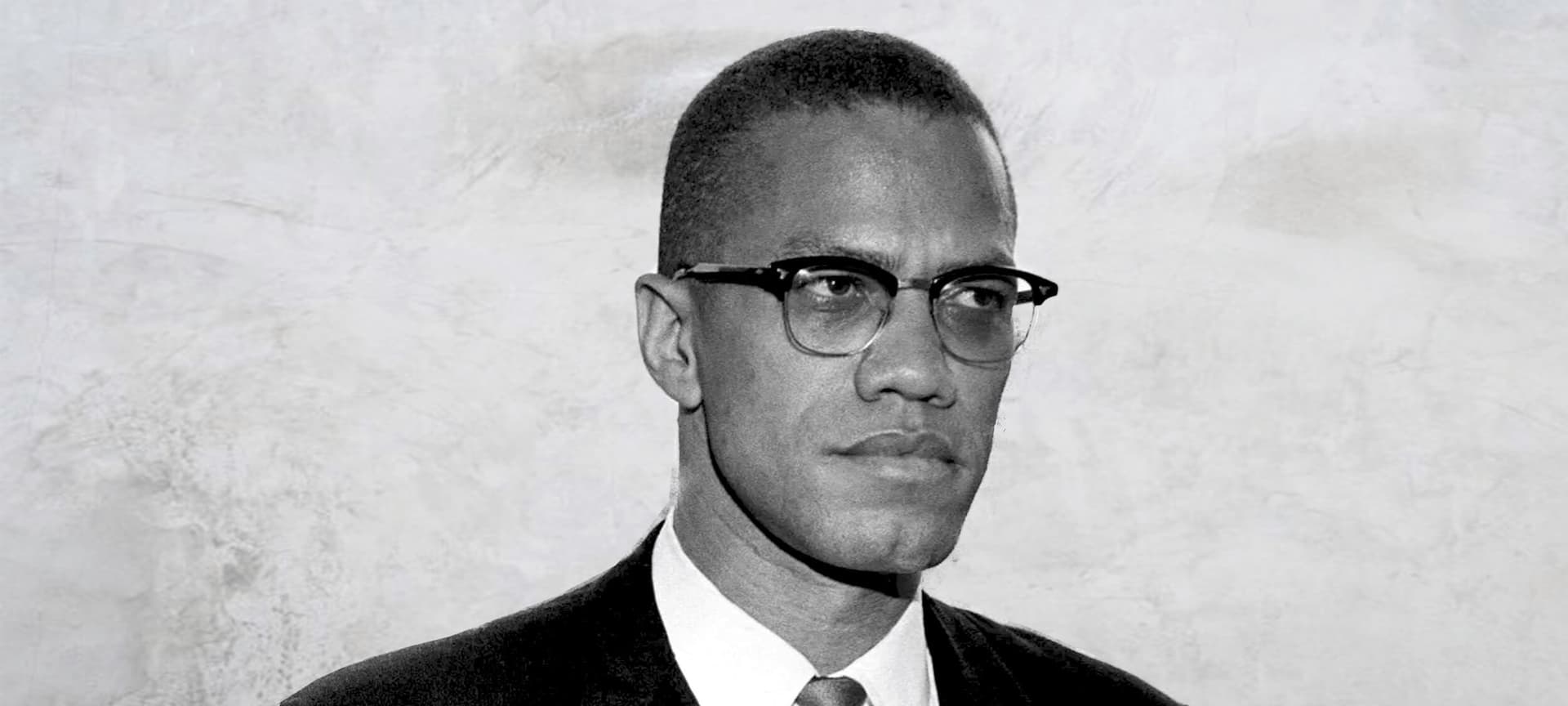
Malcolm X, born Malcolm Little and later known as El-Hajj Malik El-Shabazz, emerged as one of the most powerful and feared voices for Black empowerment in America. His unapologetic advocacy for Black self-defense, nationalism, and human rights challenged the status quo, making him a prime target for demonization and elimination. Many argue that his assassination on February 21, 1965, at the Audubon Ballroom in Harlem was not solely the work of disgruntled Nation of Islam members but part of a broader government effort—through the FBI's COINTELPRO program—to neutralize influential Black leaders who threatened white supremacy and systemic control.
Rise of a Radical Voice
Malcolm X's transformation from a street hustler to a global icon began in prison, where he joined the Nation of Islam (NOI) and became its most eloquent spokesperson. He preached Black pride, self-reliance, and separation from white society, criticizing nonviolent integrationists like Martin Luther King Jr. as "chumps" and "stooges." His fiery rhetoric drew massive crowds and alarmed authorities, who viewed him as a potential "messiah" capable of unifying militant Black nationalism.
After breaking with the NOI in 1964 following a pilgrimage to Mecca—where he embraced Sunni Islam and broader anti-racist solidarity—Malcolm founded the Organization of Afro-American Unity. His evolving internationalism, linking U.S. racism to global colonialism, heightened his threat level.
FBI Surveillance and COINTELPRO's War on Black Leadership

The FBI opened a file on Malcolm in 1953, intensifying surveillance after his NOI prominence. Under J. Edgar Hoover, COINTELPRO (1956–1971) explicitly aimed to "prevent the rise of a 'messiah'" in Black nationalist movements. Tactics included wiretaps, informants infiltrating his circles, forged letters to sow discord, and media smears portraying him as a violent extremist.
COINTELPRO targeted not just Malcolm but King, the Black Panthers, and others, using psychological warfare, false arrests, and instigation of violence. Documents reveal the FBI boasted of exacerbating tensions between Malcolm and NOI leader Elijah Muhammad, contributing to death threats against him.
The Assassination and Alleged Government Complicity
On February 21, 1965, as Malcolm began speaking at the Audubon Ballroom, gunmen rushed the stage and shot him 21 times in front of his pregnant wife and children. Three NOI members were convicted, but two were exonerated in 2021 after evidence showed FBI and NYPD withheld exculpatory information.
Recent revelations fuel conspiracy claims:
Security detail was reduced days before, allegedly after NYPD entrapment of his guards.
Undercover agents and informants (up to 10 FBI informants) were present but inactive.
Witnesses reported police aiding a shooter's escape.
In 2024, Malcolm's family filed a $100 million lawsuit against the FBI, CIA, and NYPD, alleging conspiracy and cover-up under COINTELPRO.
While official narratives blame NOI infighting, historians and activists argue the state exploited or orchestrated the hit to eliminate a unifying figure.
Historical Pattern: Targeting Black Icons
Malcolm's case mirrors efforts against other Black leaders: King's affairs leaked to discredit him, Fred Hampton assassinated in a police raid, and broader COINTELPRO disruptions. As Black figures gained influence—challenging economic, political, and cultural dominance—they faced neutralization to preserve the racial order.