Sunulife · Wed, May 20, 2026 · 3 min read
The Island of Breath: Returning to Gorée
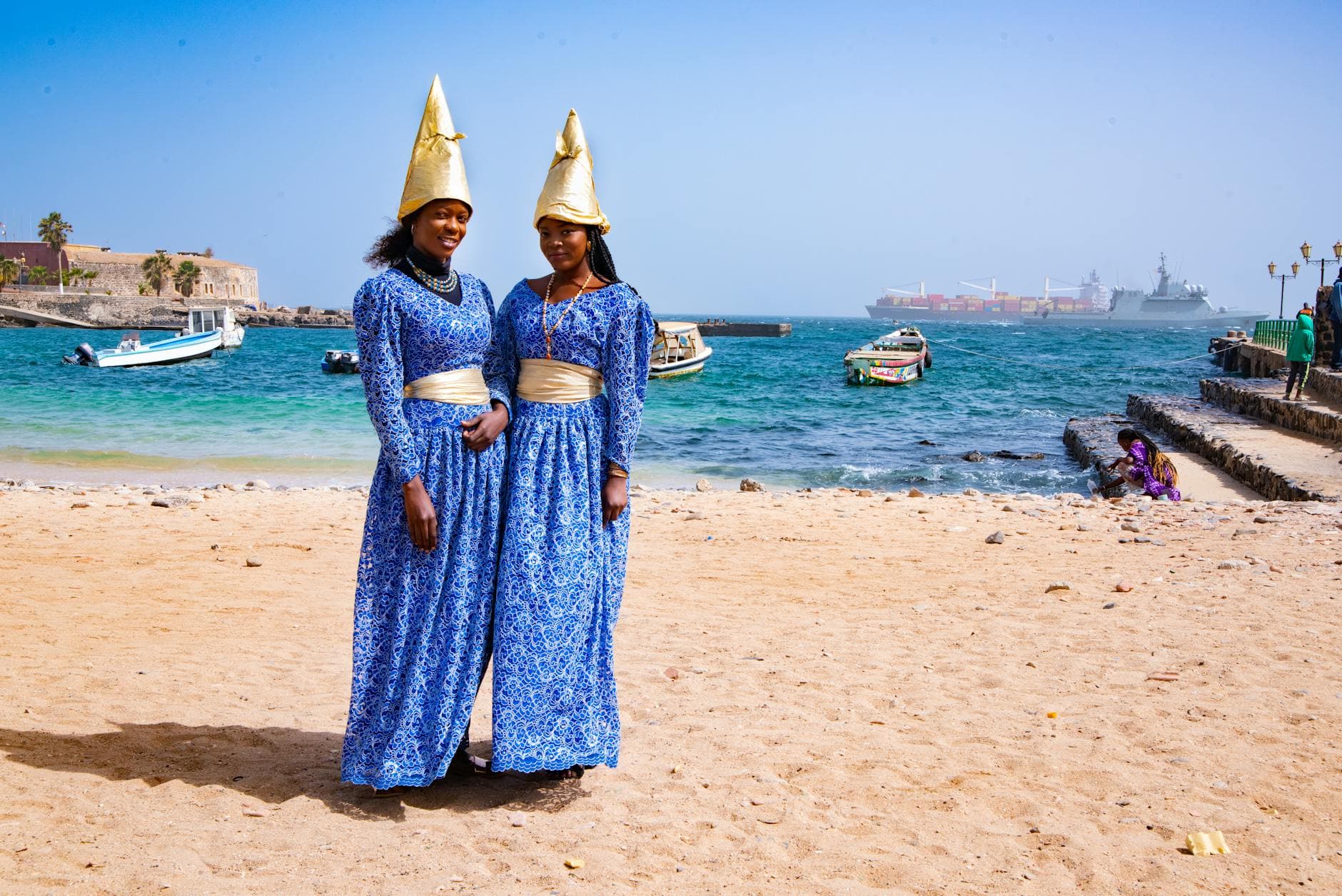
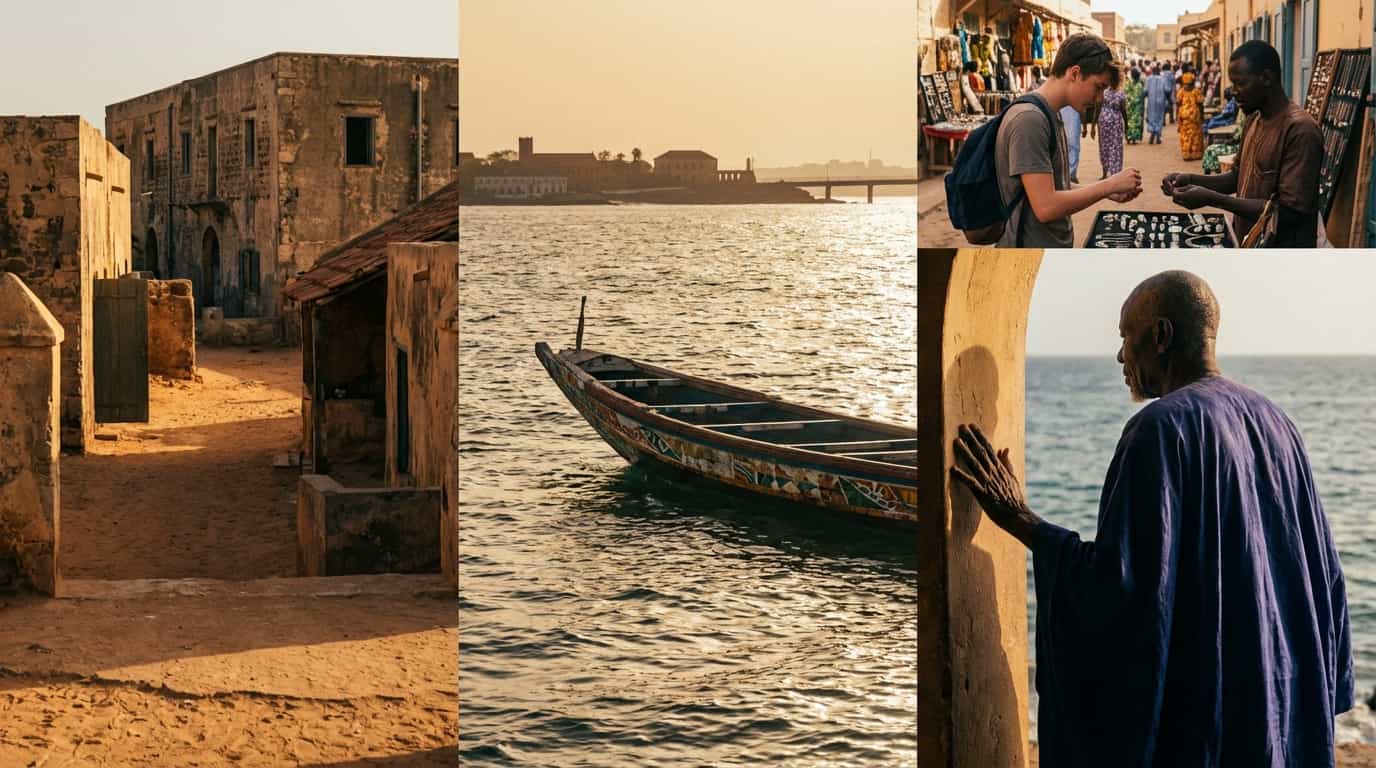
The ferry leaves Dakar with a clatter of metal and the cries of gulls. The air is thick with iodine and promise. Ahead, the island of Gorée rises like a scar laid upon the water. You might mistake it for a postcard, but every stone here is a witness. I am not a tourist; I am a pilgrim. Morning sun kisses the facades in shades of terracotta, saffron, and teal. Bougainvillea spills from balconies, purple flowers trembling in the breeze. Stepping off the boat, silence wraps around me. Not the silence of forgetting, but of listening. The alleys are narrow, paved with stones worn smooth by centuries of footsteps. Each step echoes like a heartbeat. I wander without direction, letting my feet guide me. The scent of warm bread and coffee drifts from a small shop. An old woman, her face etched by the sun, sells fruit from a stool. She smiles, and in that smile is all the dignity of a people who have survived the unspeakable. I buy a mango; its juice runs down my fingers, sweet and sticky as life itself. Further on, the House of Slaves stands white and austere. I do not enter immediately. I sit on a low wall facing the ocean. The waves come and go, indifferent. I think of those who passed through that door, the Door of No Return. The wind carries their names. I close my eyes and listen. The cries of gulls, the lapping of water, the laughter of children playing football in a square. Life continues, stubbornly. In the afternoon, I stroll through the alleys on the western side of the island, where the houses are more modest. An artist's workshop opens its door. Inside, vibrant canvases tell stories of deportation and rebirth. The painter, a man with paint-stained hands, speaks of his work. "Memory is not a burden," he says. "It is a strength. We must carry it, but also transform it into beauty." I buy a small canvas of a baobab tree whose roots plunge into the ocean. Evening falls, painting the sky orange and purple. I climb to Fort d'Estrées, the highest point on the island. From there, the view embraces Dakar shimmering in the distance and the ocean stretching to infinity. The wind is stronger here; it snatches away words. I stay for a long time, still, watching the colors shift. A fisherman mends his net on the beach below. His movements are precise, almost ritualistic. Gorée is not a museum. It is a living place, home to families, artists, children. The tourists leave at night, but the island remains, with its ghosts and its laughter. Before leaving the island, I pass the House of Slaves one last time. This time, I enter. The interior is cool, dim. The cells are small, damp. A weight settles in my chest. But stepping out, the light dazzles me. The sea is such a pure blue it seems unreal. I understand then that Gorée is not only a place of memory; it is a place of resilience. Every stone, every wave, every smile says: we are still here. The ferry departs into the night. Dakar approaches, luminous. I watch the island recede, a small dark smudge on silver water. I still feel on my skin the salt, the wind, the heat of the day. Gorée has spoken to me. I did not understand everything, but I listened. And perhaps that is the true journey: not to see, but to hear what places have to say.