Journeys
Sunulife · Wed, May 20, 2026 · 2 min read
The Forgotten Trails of Senegal: Following Baobabs and Legends
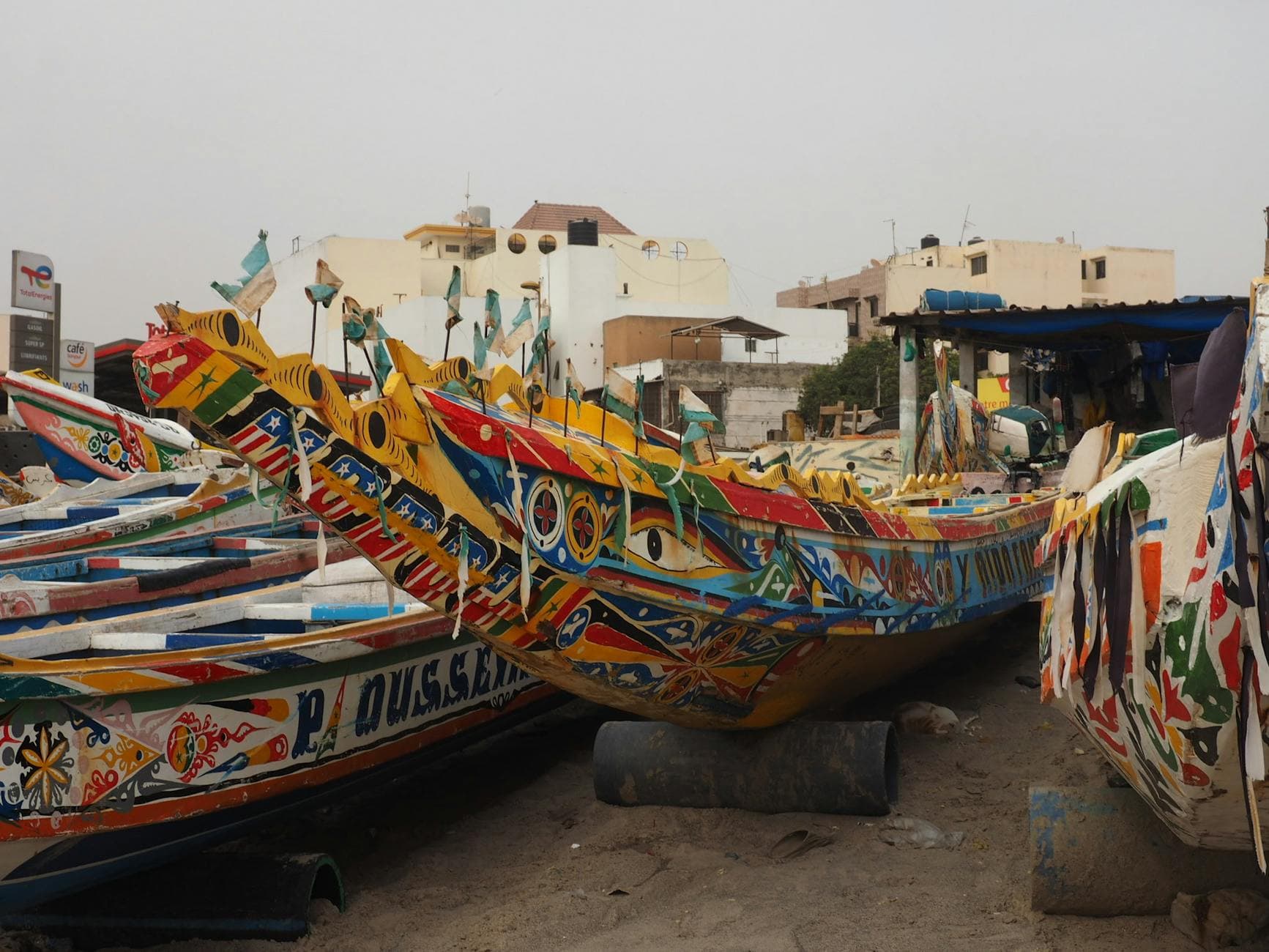
You have to leave the tarmac road to understand Senegal. Leave behind the honking of Dakar, the beaches of the Petite-Côte, and push inland, where the laterite glows red under the setting sun. That’s where the forgotten trails begin. The journey starts at dawn, when golden light sets the savannah ablaze. The guide, an old Baol-Baol with calloused hands, walks ahead without looking back. He knows every tree, every termite mound, every waterhole. “Here,” he says, pointing to a baobab with a colossal trunk, “the ancestors buried a griot. His spirit lives in the bark.” You touch the bark with your fingertips, and feel an ancient warmth. The trail snakes between peanut fields and villages of banco huts. Children run toward us, hands outstretched. A woman pounds millet under a mango tree, the rhythm of the pestle marking time. The air smells of dust, shea butter, burnt wood. Here, travel is not a performance; it’s an immersion into the slow rhythm of the seasons. At noon, the sun is vertical. We stop under a kapok tree, and the guide tells the legend of the Sine kingdom. He speaks of warriors, princesses, sacred snakes. His voice is deep, almost sing-song. You close your eyes, and you see Mandinka horsemen crossing the plain. The wind lifts red dust, and history becomes almost tangible. In the afternoon, we resume walking. The baobabs grow more numerous, their skeletal branches silhouetted against the blue sky. Some are hollow, and you can slip inside. Inside, the air is cool, and