Journeys

Sunulife · Wed, May 20, 2026 · 3min read

The Island of Birds: The White Silence of the Saloum
The Island of Birds: The White Silence of the Saloum
Favourite

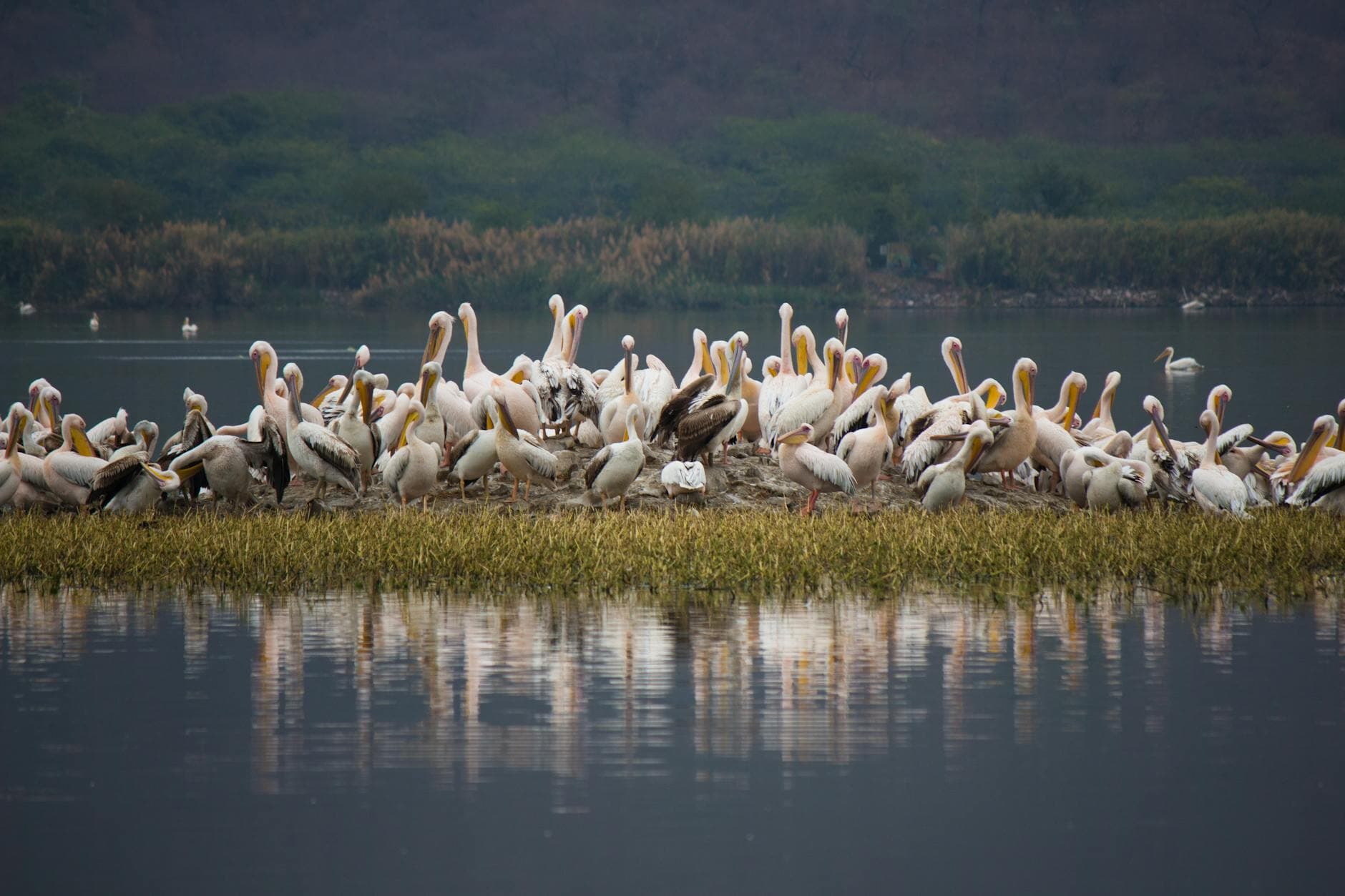
The pirogue glides on water the color of weak tea. The outboard motor coughs, then falls silent. Souleymane, the fisherman who is my guide, cuts the engine and lets the boat drift. Silence drops like a veil. Around us, mangrove roots braid themselves into brackish water that breathes with the rhythm of the tides. I have come in search of an island that exists only a few hours each day. The Island of Birds, in the Saloum Delta, is not an island in the cartographic sense. It is a sandbar that emerges at low tide — a bank of crushed shells and crystallized salt, laid in the middle of the bolongs like an offering. No map marks it. No travel guide mentions it. Only the birds know it. We leave the village of Ndangane at dawn. The light is still tender, golden, almost liquid. It pours over thatched roofs and the hulls of pirogues upturned on the shore. A woman washes millet in a blue plastic basin. A child chases a dog. Village life is already in motion, but it seems to unfold in another time — a time that has no need for watches. Souleymane does not talk much. He knows the delta the way others know the veins on their hands. He reads currents, cloud shadows on the water, the calls of birds. He knows where the fish hide, where the mangrove is densest, where the silence is deepest. Today, he takes me west, where the river meets the Atlantic Ocean in an embrace of fresh and salt water. After an hour, the landscape changes. The mangroves thin out, giving way to open water where the sky reflects like a mirror without tarnish. Pelicans cross the horizon in formation, their immense wings beating with ceremonial slowness. Suddenly, Souleymane points to a white line in the distance. "The island," he says. At low tide, the Island of Birds stretches several hundred meters. The sand is blindingly white, made of millions of shell fragments polished by time. It crunches underfoot like snow. And everywhere, birds. Terns, gulls, herons, spoonbills, hundreds of flamingos — standing on the sand or wheeling in the sky in an endless ballet. Their calls fill the air with a strange music, a language I do not understand but that speaks to me nonetheless. I walk barefoot on the warm sand. The wind from the sea carries a smell of iodine and salt. I sit at the tip of the sandbar, where the water begins to rise again. Before me, the Atlantic stretches to infinity, deep blue shading to green near the shore. Behind me, the delta unfolds in a labyrinth of water and green. I am alone with the birds. And yet, I have never felt less alone. This is what travel is: not accumulating places, but shedding them. Arriving somewhere that has nothing to sell, nothing to prove, and letting yourself be transformed by its silence. The Island of Birds is not a tourist site. It is a place of passage, a threshold between land and sea, between the noise of the world and the murmur of the elements. As the tide rises, the island slowly disappears. The birds take off in waves, seeking other sandbars farther away. I return to the pirogue, feet wet, eyes full of light. Souleymane starts the engine without a word. He does not need to speak. The journey has already said everything.