Journeys
Sunulife · Wed, May 20, 2026 · 2 min read
The Breath of the Desert: A Crossing of the Malian Sahara
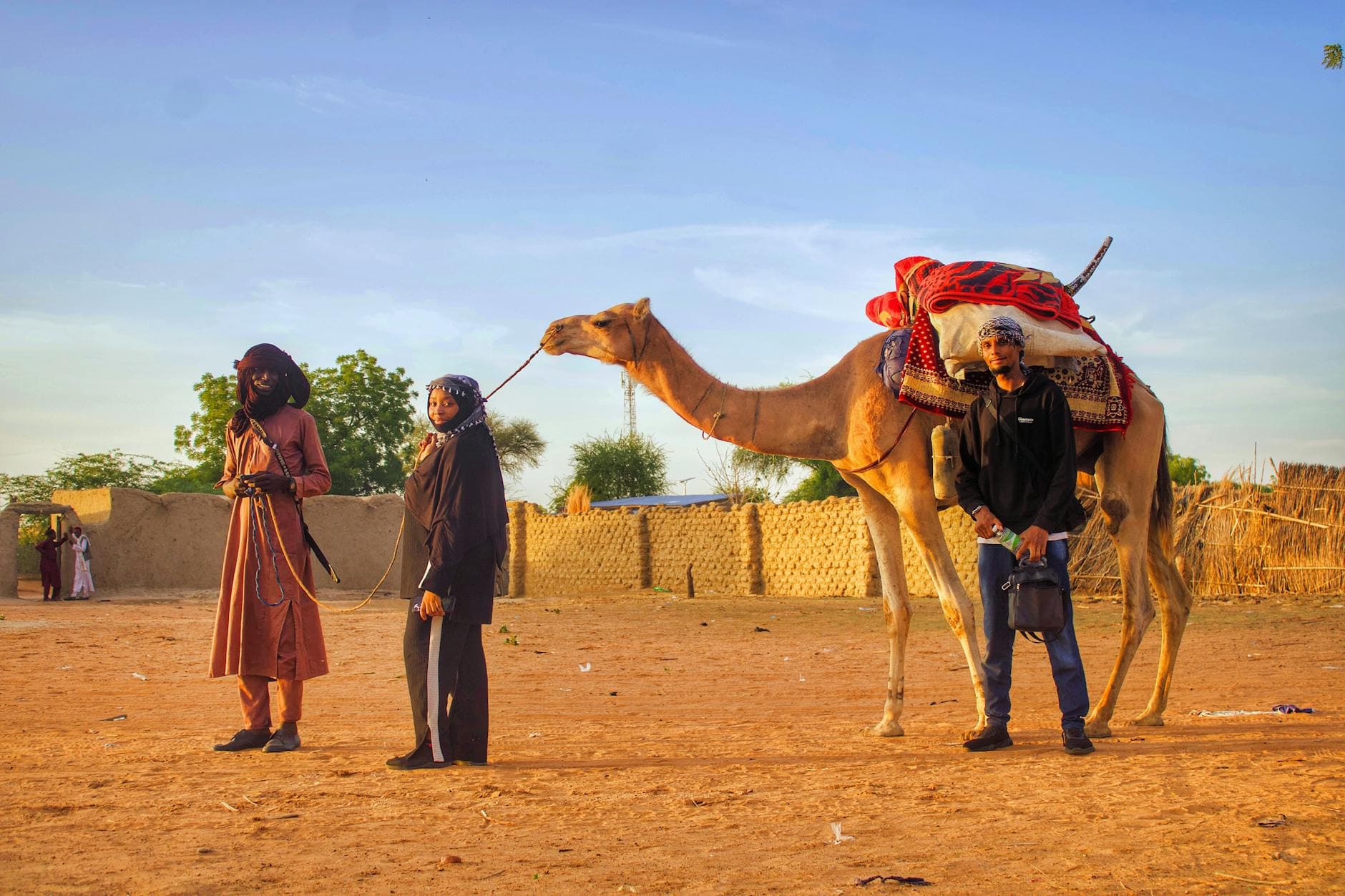
Dawn breaks over Timbuktu like an ancient promise. The light, hesitant at first, slips through the fingers of skeletal acacias, then asserts itself, relentless, turning every stone into ember. The air carries that taste of earth and salt I recognize anywhere – a taste of eternity. I have come here to walk in the footsteps of the caravan drivers, to feel beneath my feet the trail that still, despite everything, connects the cities of the Sahel to the shores of the Mediterranean. Our guide, a man named Hamadou whose face is a map of the roads he has traveled, prepares the camels in an almost religious silence. His movements are precise, slow, as if repeating a thousand-year-old ritual. 'You must respect the desert,' he tells me without looking up. 'It gives you everything, but it can take it all back.' I do not answer. Words here carry the weight of sand. We leave the city as the first calls to prayer tear through the air. Behind us, the mud walls of Timbuktu fade, swallowed by the heat haze. Ahead, the horizon is a trembling line between sky and earth, a perfect seam where colors blend into a gradient of ochre and blue. Silence settles in, thick, alive. You can almost hear it – a low hum, the sound of time passing without hurry. Hours flow like dunes. The camels' gait, steady, hypnotic, marks our progress. The light shifts, softens, turns to honey. Hamadou tells stories of djinns and lost wells, of storms that erase paths and nights so clear you can read the Quran by starlight