Journeys
Sunulife · Wed, Jun 10, 2026 · 2 min read
On the Road to Banjul: When the Gambia Becomes Dream and Reality
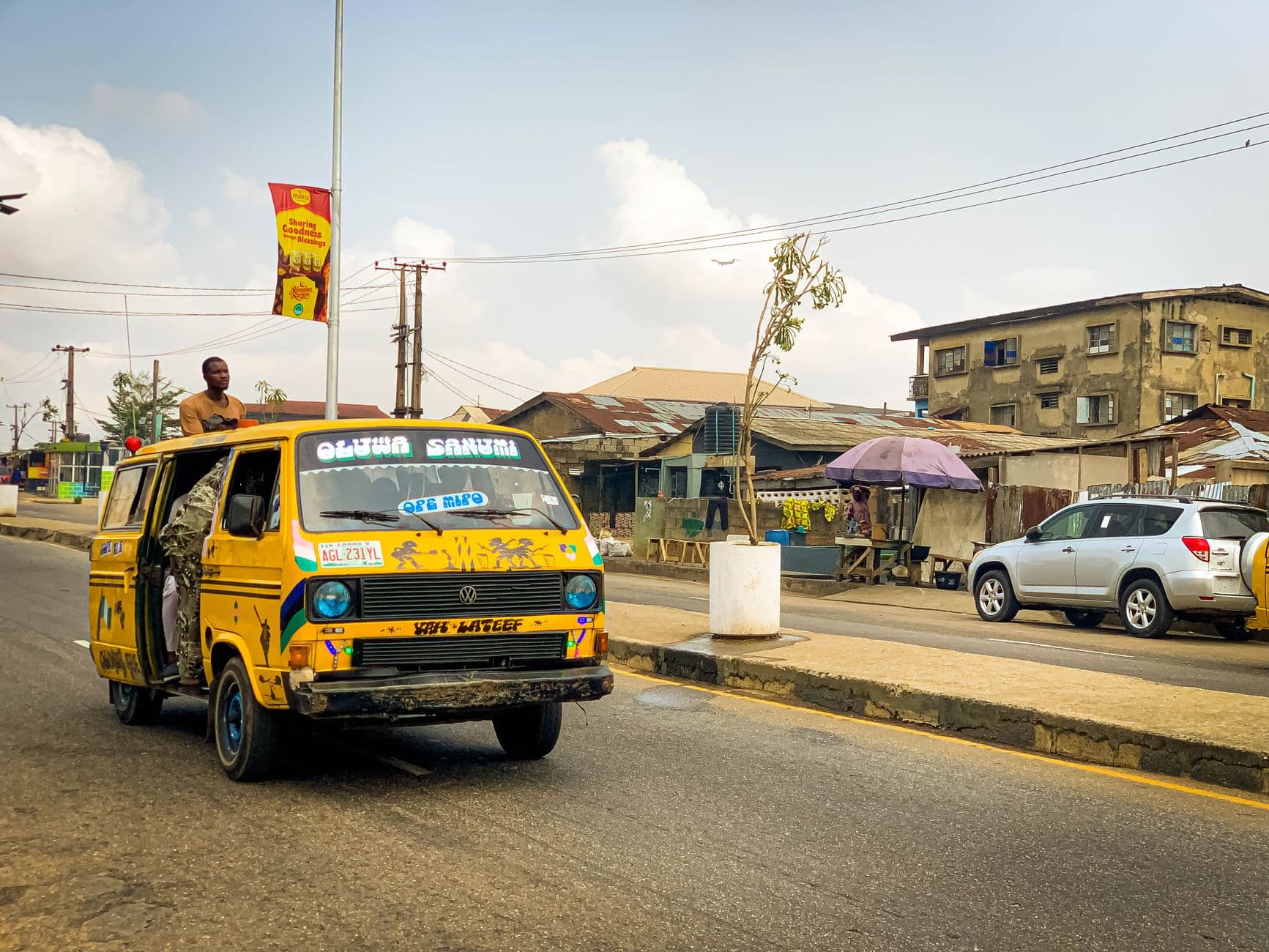
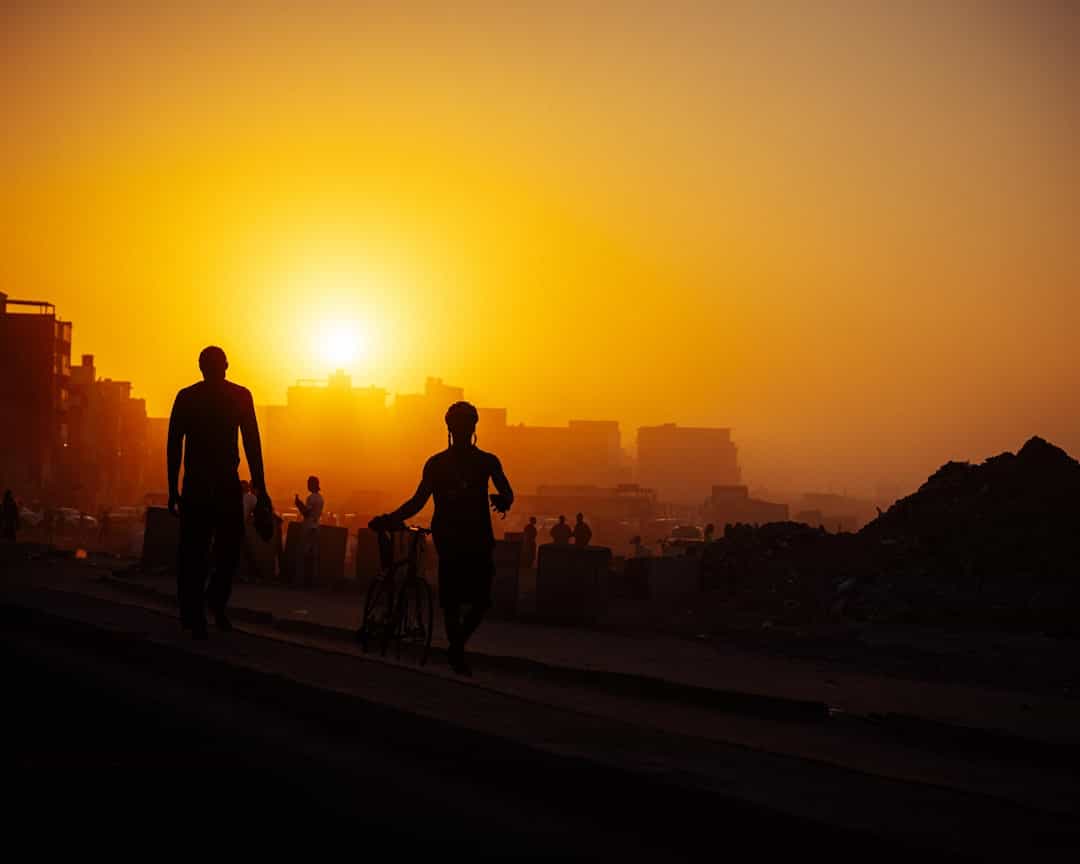
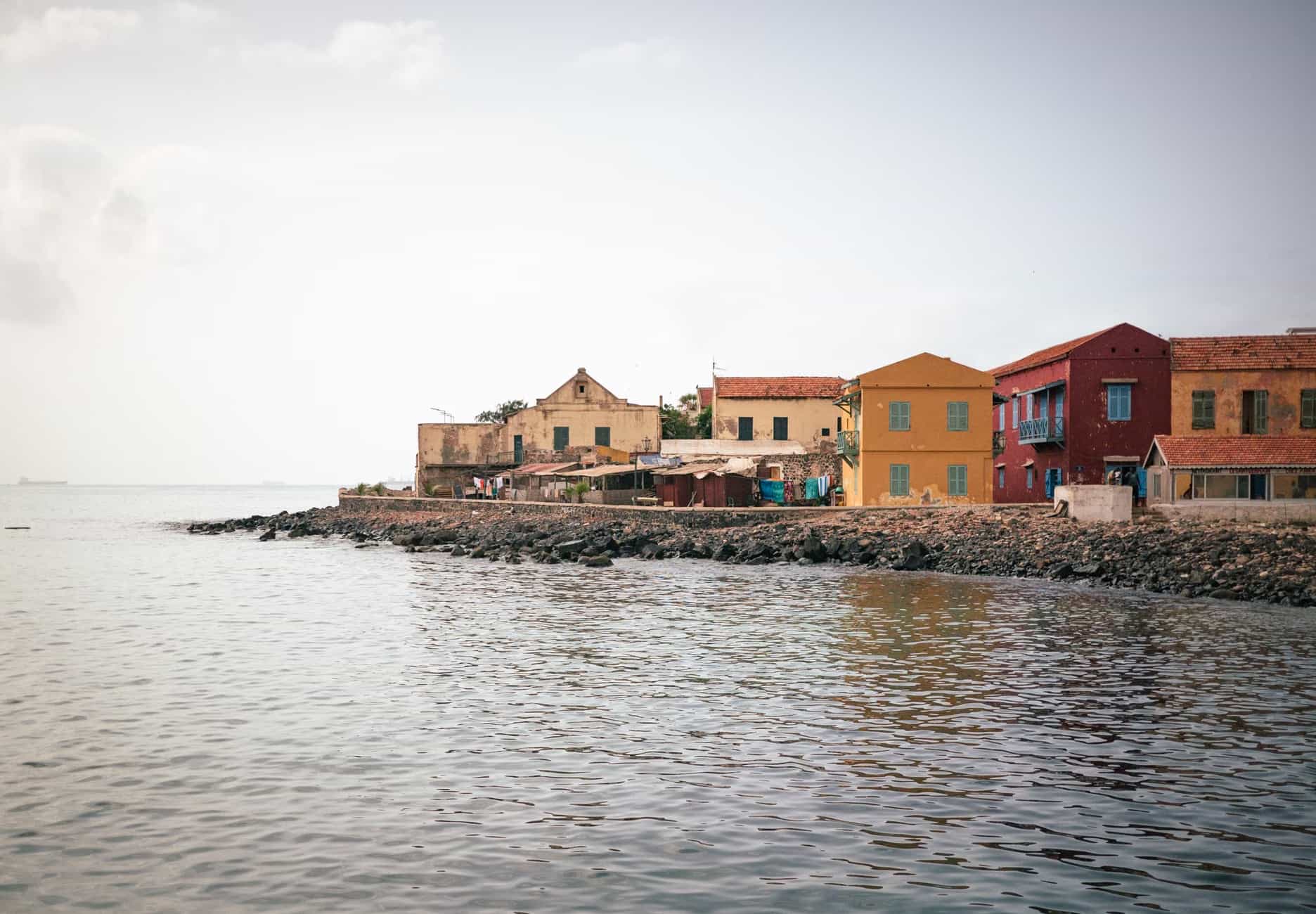
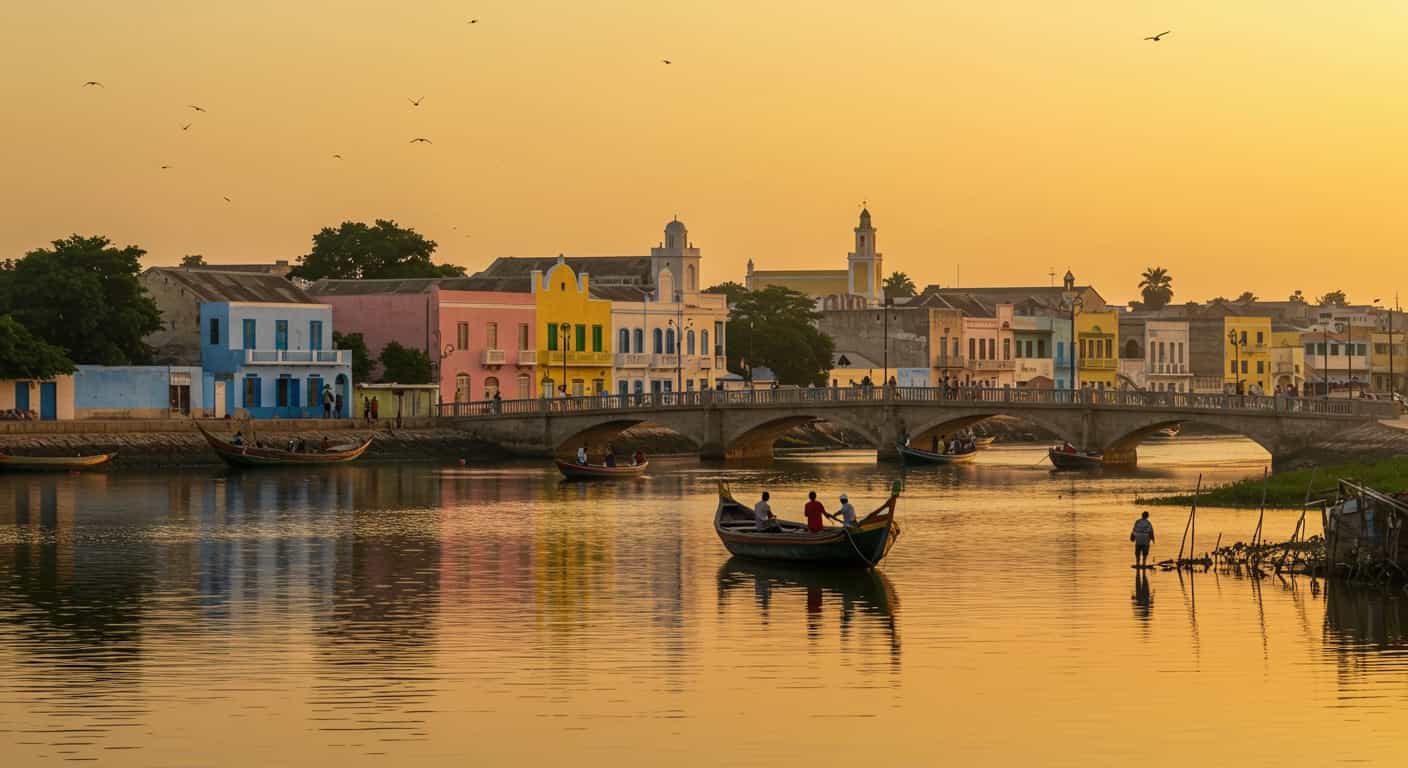
Day fifteen. Banjul, capital of the Gambia, that thin ribbon of access to the ocean wedged between the river's meanders and the Atlantic. A city that, seen from afar, seems just a dot on the map, but approached by road, becomes a promise. We had been driving from Accra, crossing Ghana, Togo, Benin, Nigeria, to land here, in this enclave where English colonial history left subtler traces than elsewhere. Here, the dream has a particular texture, that of a future written without a predetermined frame. In the streets of Banjul, the asphalt cracks under the weight of horse-drawn carts, relics of another era. Yellow taxis, with patched-up bodies, slalom between itinerant merchants offering mangoes, dried fish, wax fabrics. The air carries a smell of salt and sweat, that of a city that works, that struggles, but has not renounced poetry. For Banjul, unlike other West African capitals, has not yet traded its soul for concrete. Here, every street corner tells a story, every face carries hope. The West Africa Road Residency, this pan-African literary and artistic expedition, brought us here. We were about ten writers, photographers, filmmakers, from all over the continent. Each day, we discovered a new landscape, a new language, a new way of being African. But Banjul is different. It is a city that does not need to prove its modernity. It stands there, humble, with its decrepit colonial buildings, its colorful markets, its beaches where fishermen pull their pirogues. It offers the trav