Journeys

Sunulife · Sat, Apr 11, 2026 · 3min read

Paths of Memory: A Sensory Journey Through Senegal and Beyond
Paths of Memory: A Sensory Journey Through Senegal and Beyond
Favourite

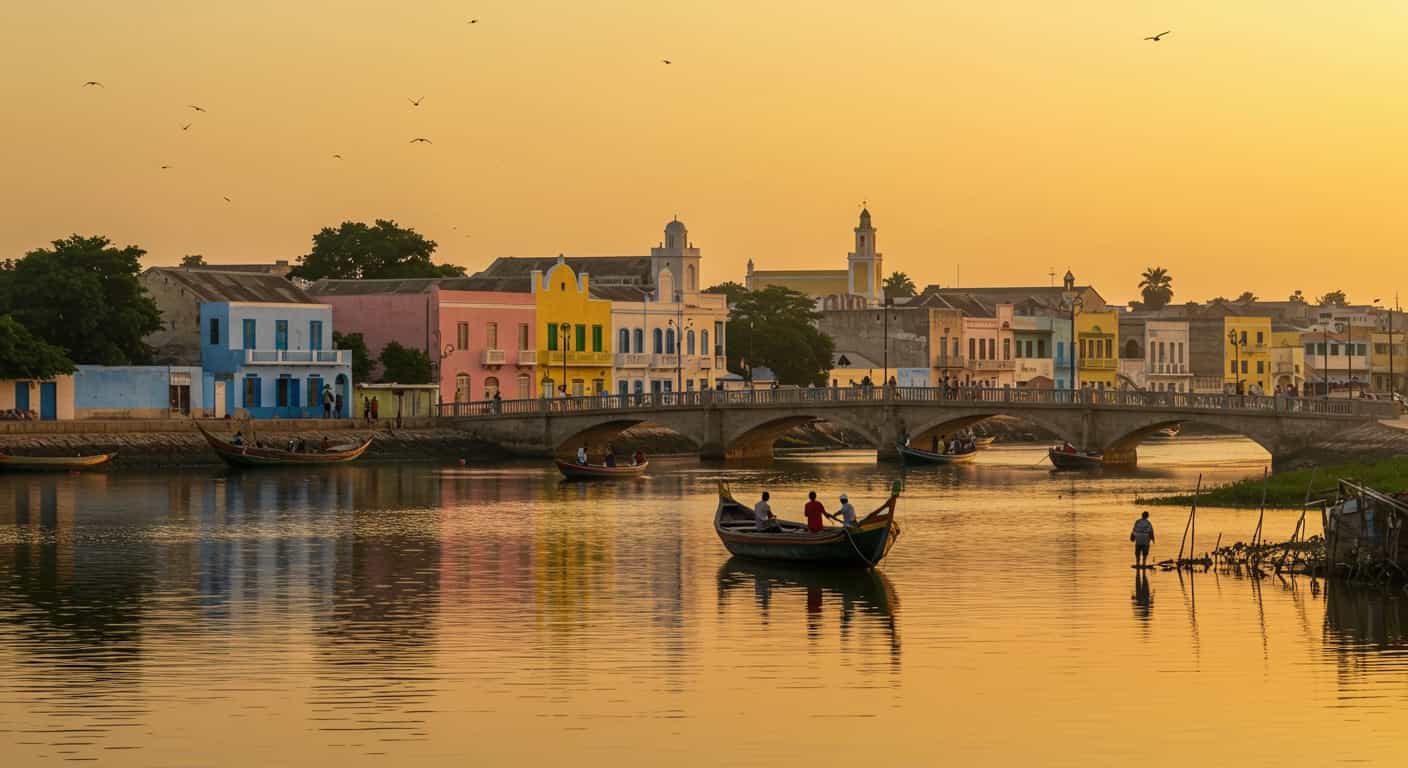
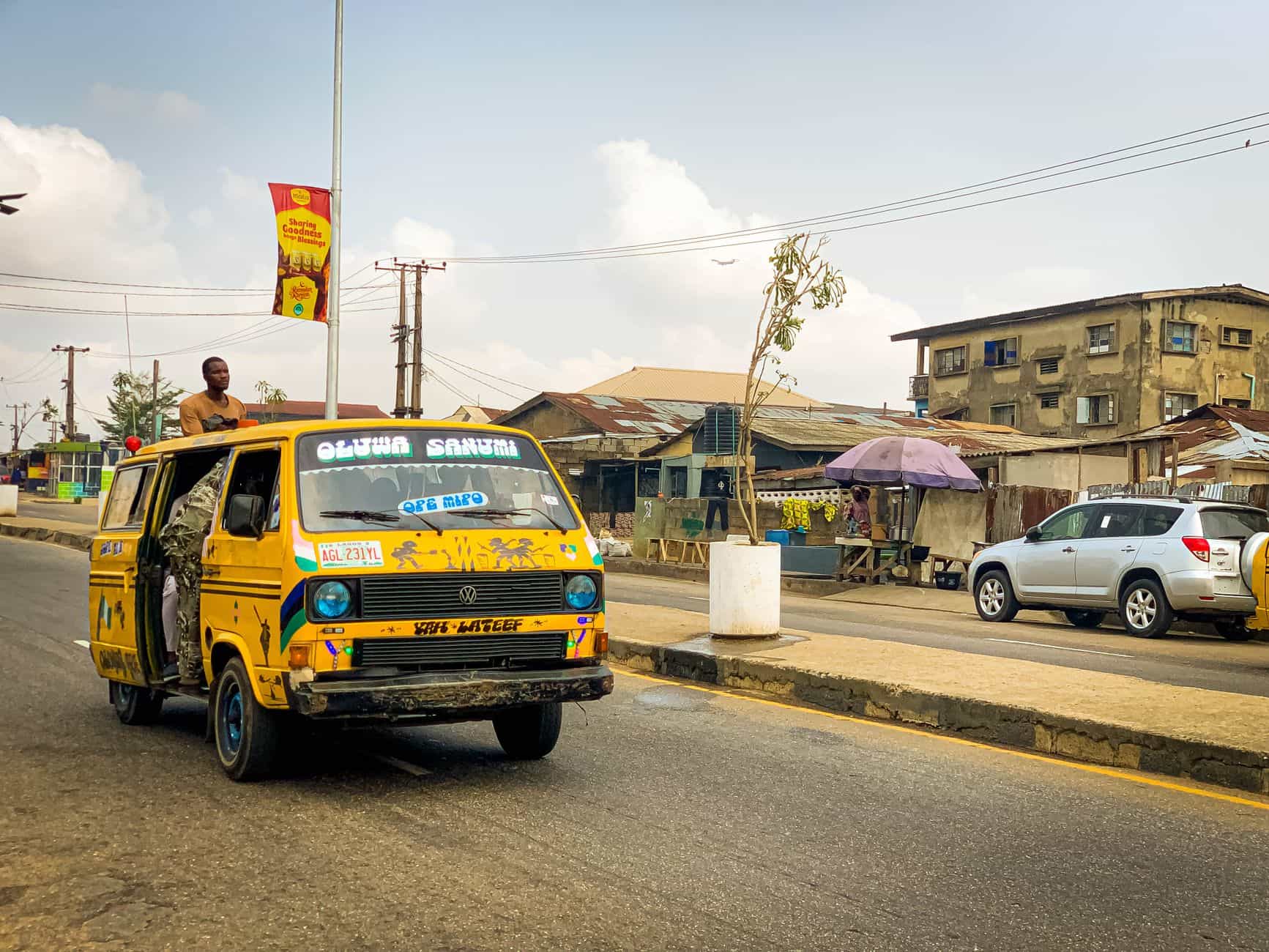
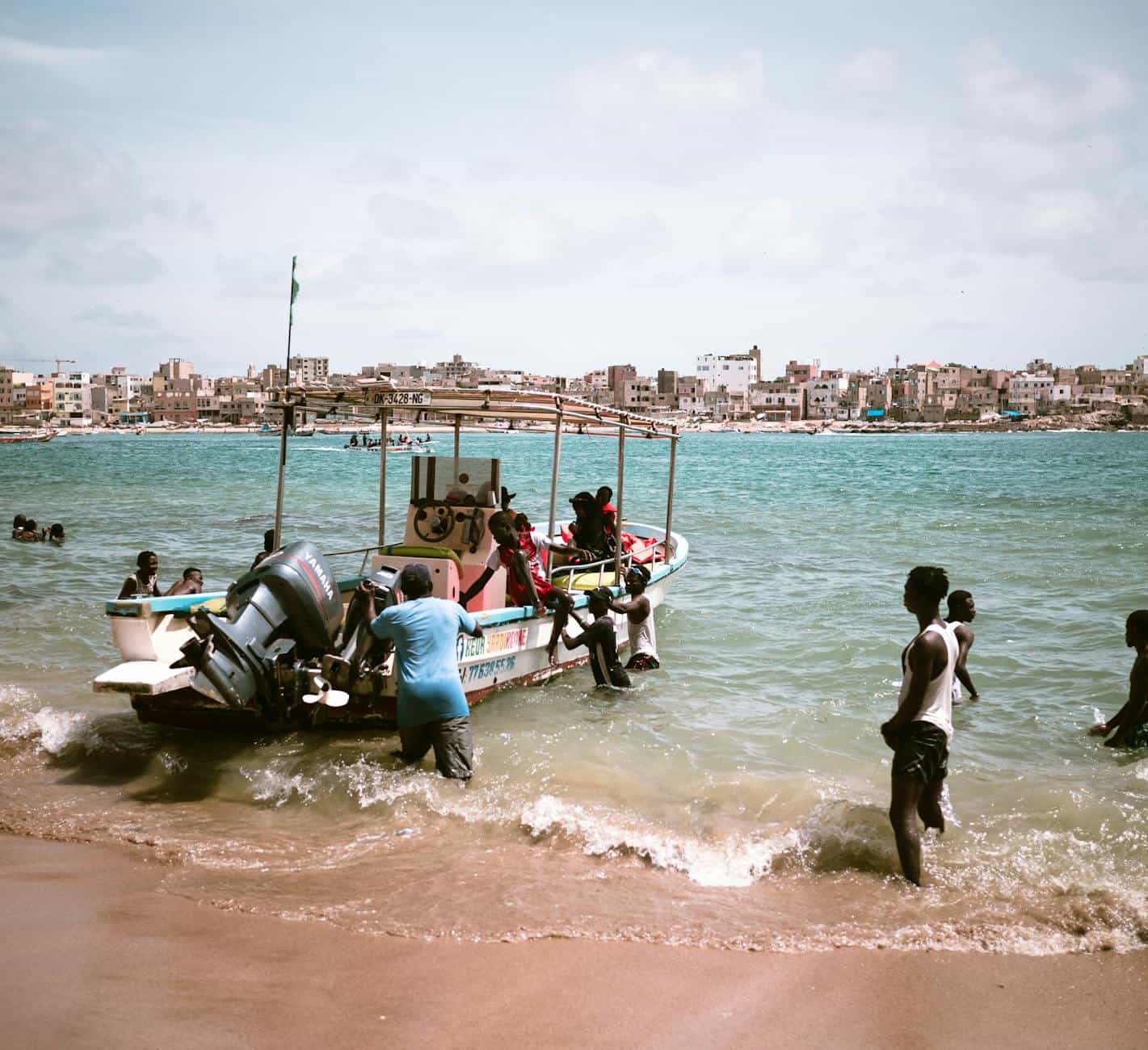
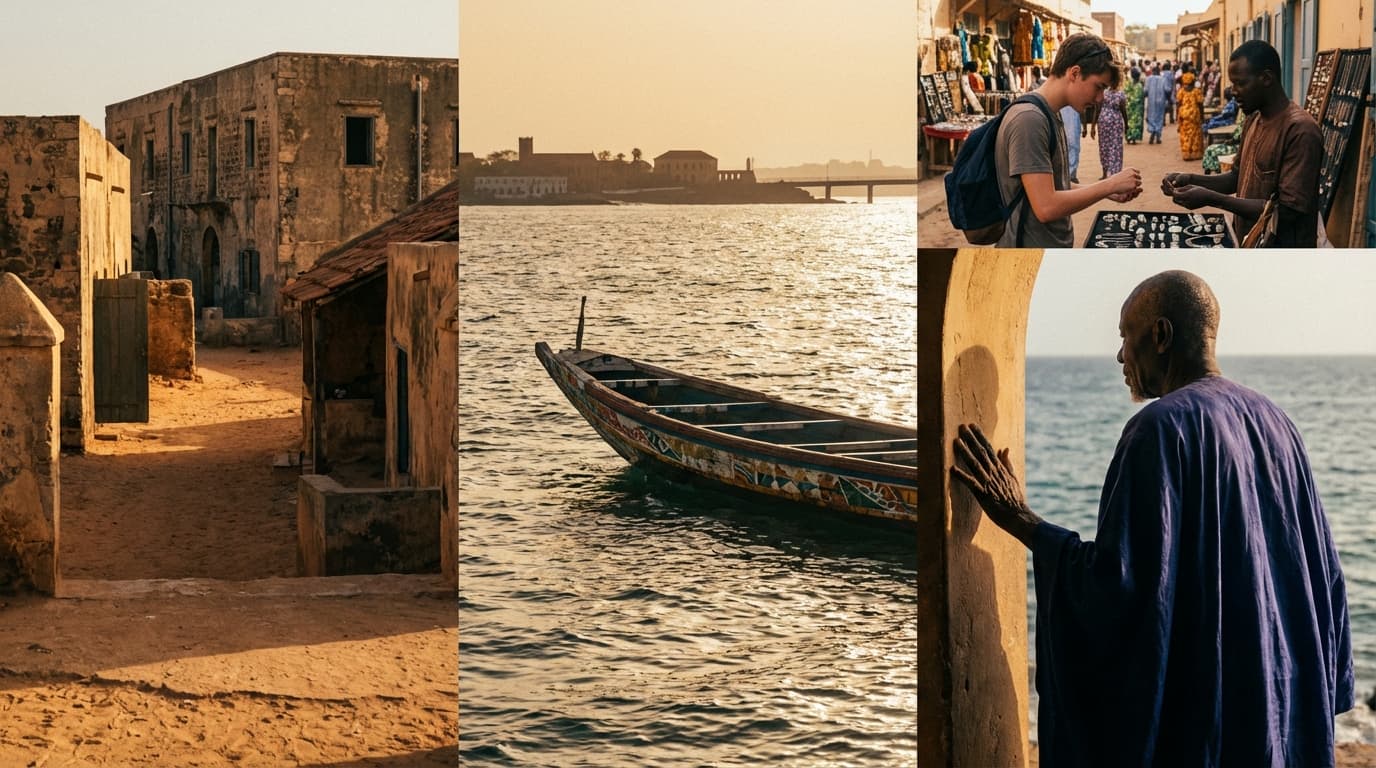
The journey always begins with a breath. In Dakar, that breath is Atlantic-born, laden with salt spray and the ceaseless hum of the city. I stood on the corniche, feet anchored in warm sand, watching fishermen haul in silver nets under a sky shifting from pink to violet. Here, energy is palpable, a vibration pulsing to the rhythm of sabar drums and the honks of car rapides. But Dakar is merely a gateway. To truly understand Senegal, one must follow the currents of history and memory. Gorée Island welcomed me with a silence heavy with meaning. Walking the worn cobblestones of the House of Slaves, I felt the weight of centuries in the coolness of stone walls. The Door of No Return opened onto the ocean, a stark reminder of forced departures. Yet, in the colorful alleyways, children laughed, their crystalline voices mingling with the song of waves. Gorée is not just a memorial; it is a place of resilience, where life has reclaimed its space, gently, stubbornly. From there, I journeyed to Saint-Louis, the former capital, where time seems to have paused. Colonial buildings with wrought-iron balconies reflected in the calm waters of the Senegal River. In the evening, on the island, griots narrated epics under the stars, their words weaving connections between generations. Each note of the kora was an invitation to listen, truly listen, to the stories the land holds within. Further south, Casamance enveloped me in its tropical gentleness. In Ziguinchor, the scent of mango trees and frangipani flowers floated in the humid air. Here, Diola traditions are alive, rhythmed by mask ceremonies and ancestral dances. An elder offered me hibiscus juice, his wrinkled hand tracing patterns in the dust to explain the symbols of his culture. “We are like the roots of the kapok tree,” he whispered, “deep and intertwined.” That image followed me to Touba, where Sufi spirituality permeates every corner of the city. The great minaret of the mosque rose toward the sky, a beacon of faith in the day’s heat. Devotees, clad in white, chanted prayers, creating a harmony that transcended the world’s noise. These moments of contemplation reminded me that travel is not merely geographic movement, but an inner quest. Beyond Senegal, Africa called with its own narratives. Reflecting on reforms reshaping political landscapes, like in Benin, I realized each nation writes its chapter in the continent’s grand book. Safaris, growing in popularity, are not just attractions; they are windows into ancient biodiversity, where animals roam lands that witnessed humanity’s dawn. And when I heard of fossil discoveries in South Africa, proving our mammalian ancestors laid eggs, a shiver ran down my spine. We walk on soil that guards life’s very secrets. Offshore energy projects, symbols of growth, remind us that Africa looks to the future without forgetting its roots. My journey ended in Saly, where golden sand and gentle waves offered a moment of peace. Lying on the beach, I closed my eyes, letting memories flow: the laughter of Gorée’s children, the songs of Saint-Louis, the scents of Casamance, the fervor of Touba. Senegal taught me that to travel is to connect with the souls of places, to feel their pulse beneath your fingers. In Africa, every path leads to a discovery, every encounter is a lesson in humanity. Returning home means carrying a bit of that warmth in your heart, knowing that memory, like the ocean, knows no borders.