Journeys

Sunulife · Thu, Jul 17, 2025 · 6min read

Discovering Saint-Louis: Senegal’s Cultural Jewel
Discovering Saint-Louis: Senegal’s Cultural Jewel
Favourite

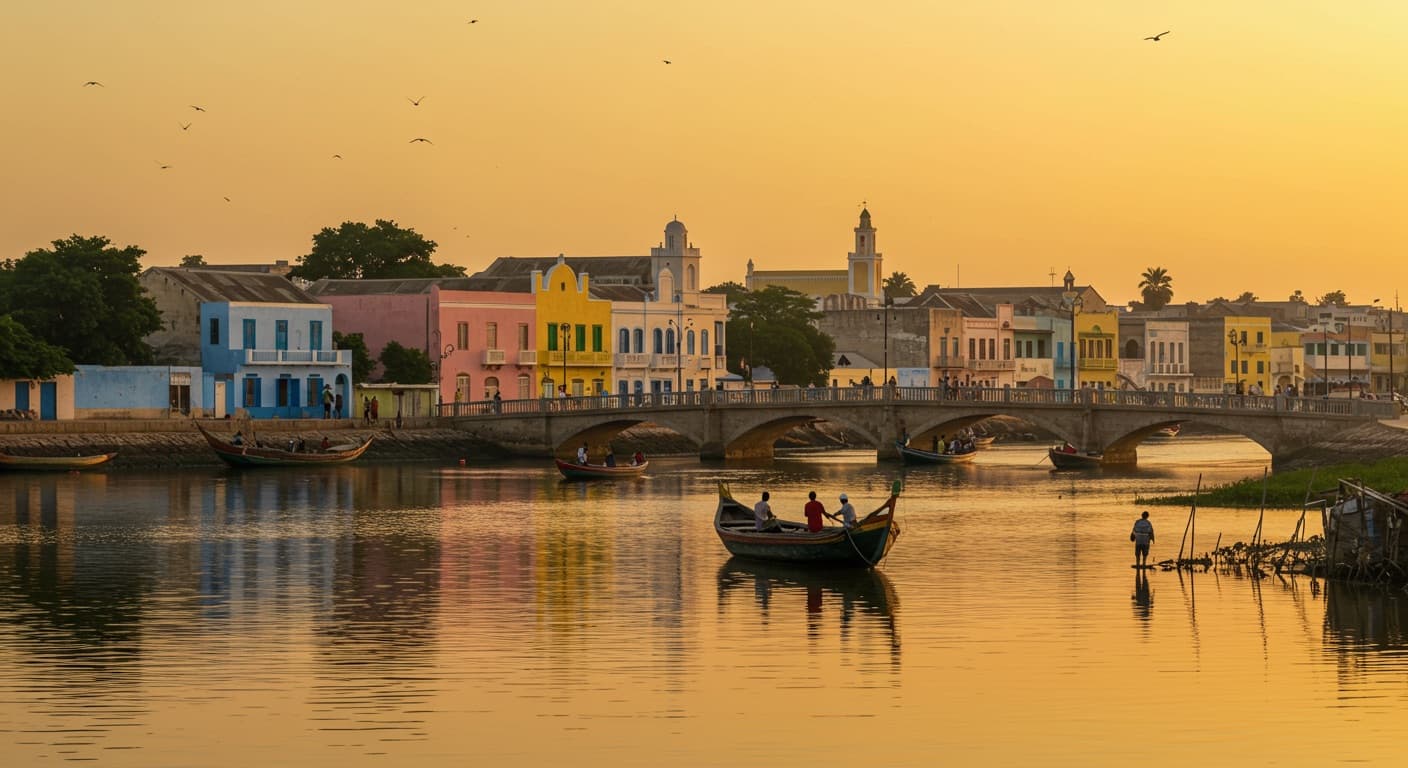
Nestled at the mouth of the Senegal River, approximately 260 km north of Dakar, Saint-Louis is a captivating blend of colonial elegance, vibrant culture, and natural splendor. As Senegal’s former capital and a UNESCO World Heritage Site since 2000, this coastal city—often called the “Venice of Africa”—enchants visitors with its colorful architecture, bustling markets, and rich history. Straddling the mainland and the island of Ndar, connected by the iconic Faidherbe Bridge, Saint-Louis offers a unique journey through time, from its colonial past to its modern role as a cultural hub. Whether you’re drawn to its world-renowned jazz festival, the serene beauty of the Senegal River, or the vibrant traditions of its fishing communities, Saint-Louis is a must-visit destination that promises an unforgettable experience. Here’s a deep dive into why this Senegalese gem should be on your travel list.

A Tapestry of History and Architecture

Saint-Louis, founded in 1659 as France’s first settlement in West Africa, served as the capital of French West Africa until 1902 and Senegal until 1957. Its island of Ndar, the heart of the city, is a living museum of colonial architecture, with pastel-hued buildings, wrought-iron balconies, and shaded verandas that evoke a bygone era. The Faidherbe Bridge, a 19th-century iron structure attributed to Gustave Eiffel’s engineering firm, connects Ndar to the mainland, symbolizing the city’s historical ties to Europe. Wandering the narrow streets of Ndar, you’ll encounter landmarks like the Governor’s Palace, now a cultural center, and the Cathédrale de Saint-Louis, a neoclassical gem built in 1828, reflecting the city’s Christian heritage alongside its Muslim majority. The city’s history is not just architectural but deeply human. Saint-Louis was a key hub in the transatlantic trade and later a center for Senegal’s independence movement. The Musée de la Mer et de l’Histoire chronicles this past, showcasing artifacts from the city’s maritime and colonial legacy. The vibrant Place Faidherbe, lined with cafés and bustling with horse-drawn calèches, is a perfect spot to soak in the city’s unique blend of African and European influences, making every stroll a journey through centuries of history.
A Cultural and Musical Haven

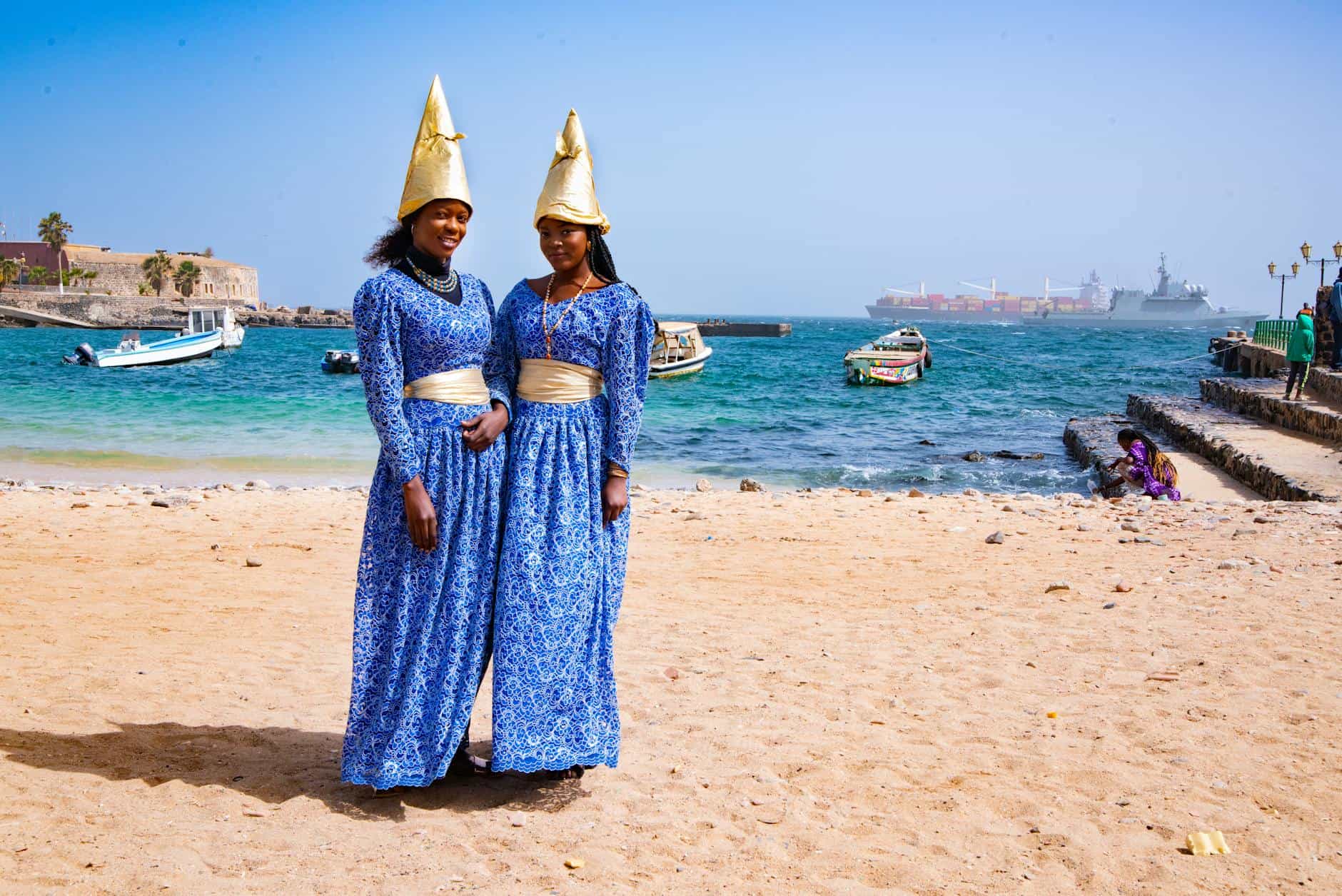
Saint-Louis is synonymous with culture, most notably through the annual Saint-Louis Jazz Festival, held every May since 1993. This world-class event draws international artists and jazz enthusiasts to venues across Ndar, filling the air with soulful melodies and vibrant energy. Beyond jazz, the city pulses with mbalax, Senegal’s iconic music genre, heard in local bars and during spontaneous street performances. Cultural festivals, such as the Fanal procession during Christmas, illuminate the streets with lanterns and traditional songs, celebrating the city’s diverse heritage. The fishing village of Guet Ndar, on the mainland, offers an authentic glimpse into Saint-Louis’s soul. Here, colorful pirogues line the shore, and fishermen haul in daily catches while women sell fresh seafood in lively markets. Engaging with the community, visitors can learn about traditional fishing techniques and the Wolof and Fula cultures that shape the region. The markets of Ndar and Sor, brimming with textiles, jewelry, and spices, are a treasure trove for souvenirs, while local eateries serve dishes like yassa poulet (marinated chicken with onions) and mafé (peanut stew), offering a taste of Senegal’s culinary richness.

Natural Wonders and Outdoor Adventures

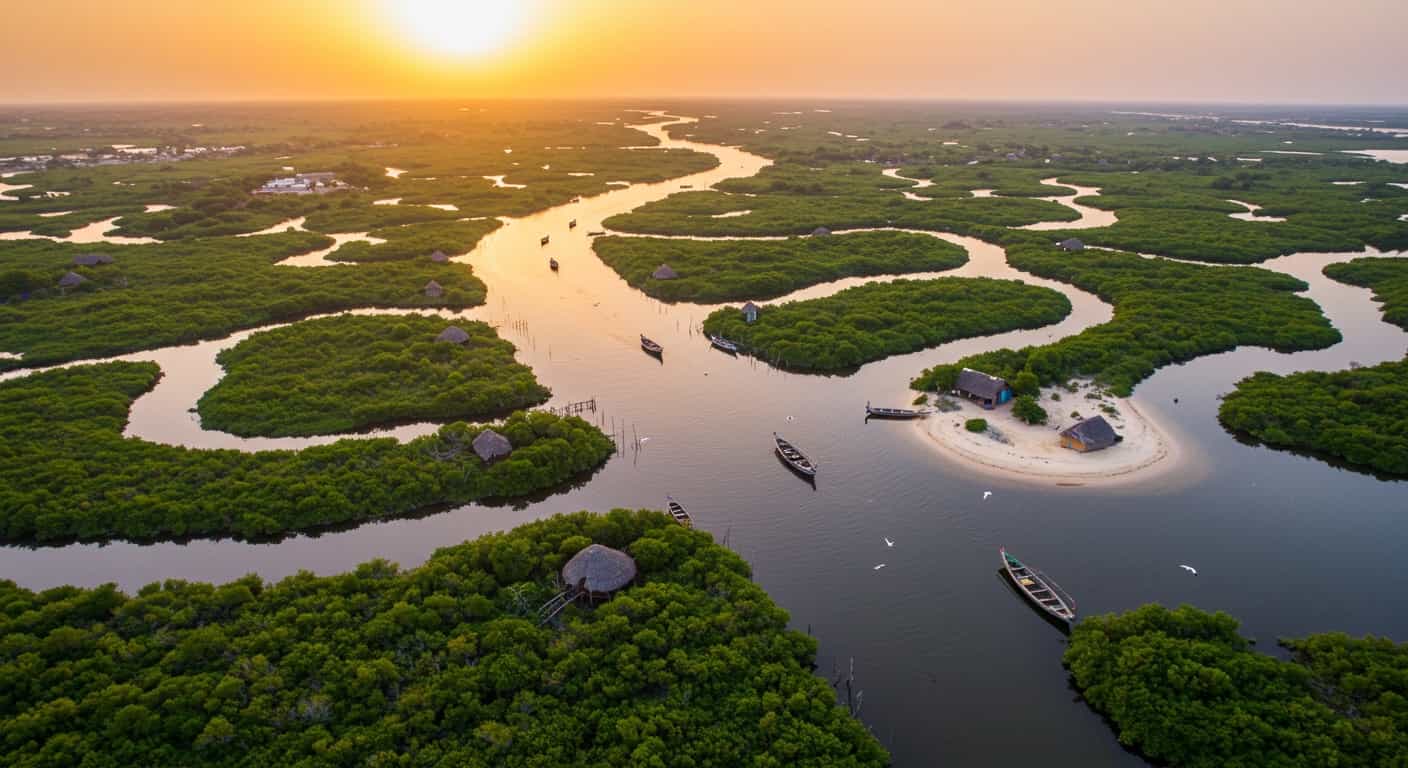
Saint-Louis’s location at the confluence of the Senegal River and the Atlantic Ocean creates a stunning backdrop for outdoor exploration. The Langue de Barbarie, a narrow peninsula separating the river from the sea, is a haven for relaxation and wildlife. Its sandy beaches are perfect for leisurely walks, while boat trips reveal dolphins, turtles, and migratory birds. Just 25 km south, the Djoudj National Bird Sanctuary, another UNESCO site, is one of the world’s most important ornithological reserves, hosting over 1.5 million birds, including great white pelicans, flamingos, and cormorants. Guided tours by pirogue through Djoudj’s wetlands offer a front-row seat to this avian spectacle, especially during the migratory season (November to April). For a more active adventure, kayaking or paddleboarding along the Senegal River provides serene views of mangroves and fishing villages. The Parc National de la Langue de Barbarie, encompassing 2,000 hectares, offers opportunities to spot monitor lizards, hyenas, and rare bird species. Sunset boat rides on the river, with the sky ablaze in hues of orange and pink, are a highlight, offering a moment of tranquility amid the city’s vibrant energy. Whether you’re a nature enthusiast or seeking a peaceful escape, Saint-Louis’s natural offerings are as compelling as its cultural ones.

Practical Tips for Visiting

The best time to visit Saint-Louis is during the dry season (November to April), when temperatures range from 20°C to 30°C (68°F to 86°F), ideal for exploring the city and nearby sanctuaries. The Saint-Louis Jazz Festival in May is a cultural highlight, but book accommodations early due to high demand. The rainy season (June to October) brings higher humidity and temperatures above 30°C, which may limit outdoor activities. Getting There: Saint-Louis is a 3-4 hour drive from Dakar via the N2 highway. Shared taxis (sept-places) or private cars are convenient, while buses offer a budget-friendly option. From the Sine-Saloum Delta, expect a 4-5 hour drive, often passing through Kaolack, making it a feasible extension to your itinerary. Accommodations: Options range from historic hotels like Hôtel de la Poste, housed in a colonial building, to charming guesthouses like La Maison Rose, offering river views. Eco-lodges near the Langue de Barbarie cater to nature lovers, blending comfort with sustainability. What to Do: Take a guided walking tour of Ndar’s historic quarter, visit the Djoudj Sanctuary for birdwatching, or enjoy a pirogue ride on the Senegal River. Explore the markets for local crafts, and don’t miss a meal at a riverside restaurant like Flamingo, known for its fresh seafood. Cultural Tips: French and Wolof are widely spoken; learning basic Wolof phrases like “salaam aleikum” (hello) enhances interactions. Dress modestly, especially in religious sites, and bring small gifts like pens for local children as a gesture of goodwill. Sunscreen, lightweight clothing, and insect repellent are essentials.

Why Saint-Louis Should Be Your Next Destination

Saint-Louis is a destination where history, culture, and nature converge to create an experience unlike any other. Its UNESCO-listed island of Ndar, with its colonial charm and vibrant street life, tells the story of Senegal’s past and present. The city’s festivals, from jazz to traditional celebrations, pulse with energy, while its natural wonders, like the Djoudj Sanctuary and Langue de Barbarie, offer serene beauty. Whether you’re savoring Senegalese cuisine, exploring historic sites, or gliding along the river at sunset, Saint-Louis captivates with its authenticity and warmth. Plan your visit to Saint-Louis today and discover why this cultural jewel is one of Senegal’s most enchanting destinations. From the rhythm of mbalax to the serenity of its waterways, Saint-Louis invites you to immerse yourself in a world where every moment feels like a celebration of Senegal’s soul.