Journeys
Sunulife · Fri, Jul 10, 2026 · 2 min read
The Road That Wasn't There: Rediscovering Senegal's Forgotten Trails
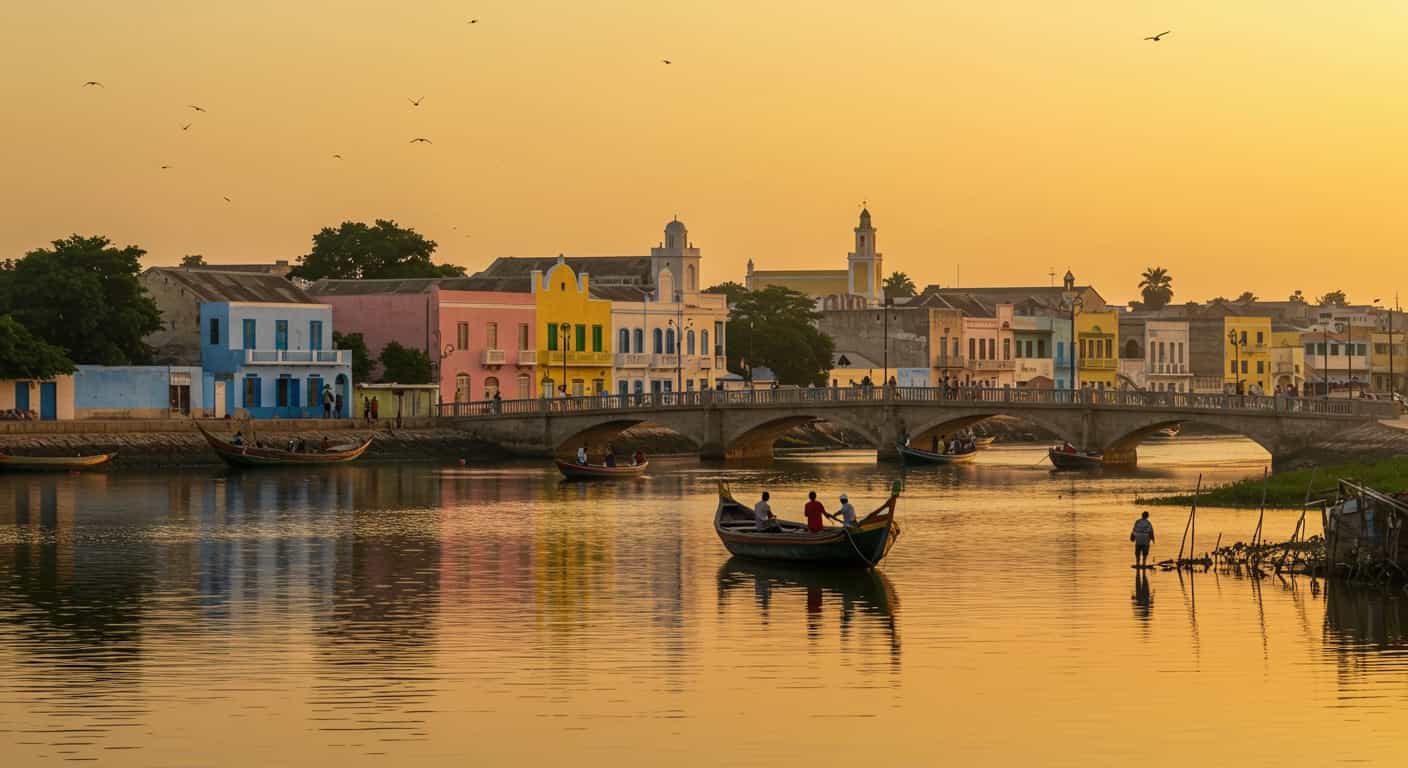
The first thing you notice is not the vastness of the sky, nor the elegant curve of the baobabs. It is the silence. A silence so thick it seems to have a texture, like the velvet of moonless nights. Here, in northern Senegal, on the edge of the Fouta Toro, the noise of the world fades away. All that remains is the wind caressing the dry grass, and the distant crack of a branch yielding under the weight of the sun. I had left Saint-Louis at dawn, leaving behind the colonial facades and the fishermen's song. My guide, an old man named Mamadou, drove in silence, his eyes fixed on a track that only he seemed to see. 'Here,' he said, pointing to a stretch of bush, 'there is no road. There are paths that remember.' And it is true. The sand holds the imprint of footsteps, of carts, of herds. Each passage is a light scar that the wind erases, but that memory retains. We walked for hours. The sun was high, relentless. Around us, the savannah stretched to the horizon, dotted with acacias and termite mounds tall as men. Sometimes a herd of zebu appeared in the distance, ghostly in the heat haze. Their wooden bells emitted a deep, steady sound, like the pulse of the earth. Mamadou walked ahead, his staff setting the pace. He knew every tree, every stone. 'Here,' he said, stopping. 'This is the baobab of the ancestors. It saw my grandfather born. It will see my grandchildren die.' We stopped at a village forgotten by maps. A few mud-brick huts, a well, a giant kapok tree. The children cam