Heritage

Sunulife · Thu, Jul 10, 2025 · 6min read

Alboury Ndiaye: The Last King of Jolof and Lessons for Modern Senegal
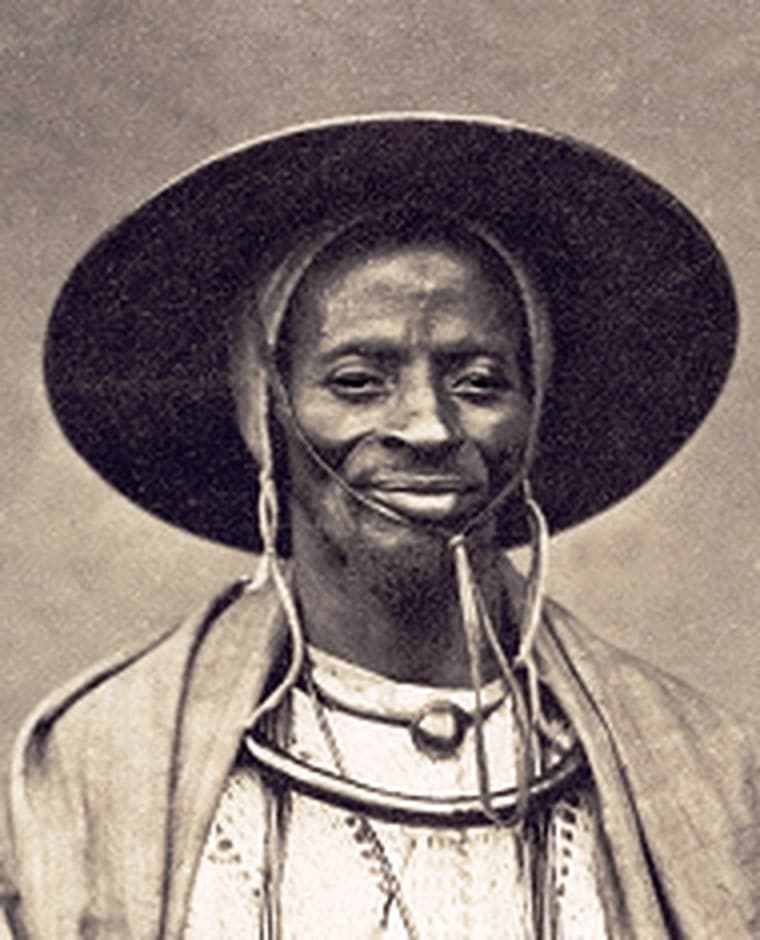
Alboury Ndiaye: The Last King of Jolof and Lessons for Modern Senegal
Favourite

Introduction

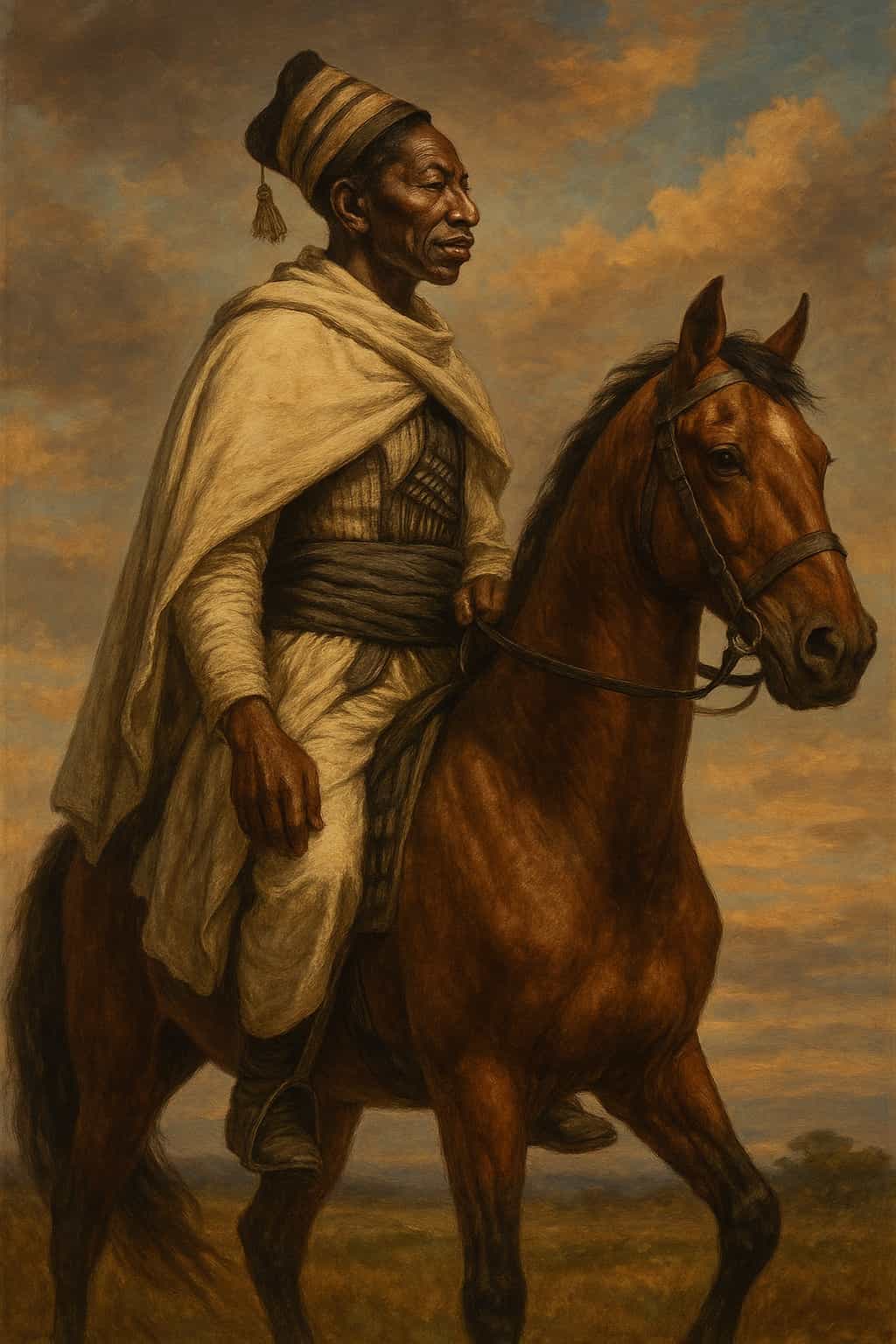
Alboury Ndiaye (c. 1847–1901), the last Bourba (king) of the Jolof Kingdom, stands as a towering figure in Senegalese history, embodying resilience, strategic leadership, and an unyielding commitment to sovereignty in the face of colonial oppression. His reign, from 1875 to 1890, was defined by fierce resistance against French colonial expansion, a struggle that cemented his legacy as a symbol of defiance and cultural pride. For modern Senegalese, Alboury’s life offers profound lessons in leadership, unity, adaptability, and the preservation of cultural identity amidst external pressures. This article delves into his life, achievements, and the enduring lessons his legacy imparts to Senegal today.

Early Life and Rise to Power

Born around 1847 in Tyal, Senegal, Alboury Ndiaye was the son of Biram Penda Diémé Ndioté Ndiaye and Seynabou Amadou Yella Diop, a cousin of Lat-Dior Ngoné Latyr Diop, the renowned Damel of Cayor. Raised at the court of Birima Ngoné Latyr Fall in Cayor, Alboury was steeped in the traditions of leadership and warfare from a young age. His upbringing alongside his uncle, Lat-Dior, and his exposure to the court’s political and military dynamics shaped him into a skilled warrior and strategist. Alboury’s early life was marked by the turbulent socio-political landscape of 19th-century Senegal, where Wolof kingdoms like Jolof and Cayor faced internal rivalries and external threats from European colonizers, particularly the French. Trained as a warrior, he fought alongside Lat-Dior and Maba Diakhou Bâ, a prominent Muslim reformer, in battles against colonial forces in Cayor and Saloum. These experiences honed his military prowess and deepened his commitment to preserving Wolof sovereignty. In 1875, Alboury ascended to the throne as the Bourba of Jolof, ruling from the capital, Yang-Yang. His reign came at a time when the Jolof Kingdom, once a dominant empire in the Senegambia region, was weakened by internal divisions and the growing French presence. Alboury’s leadership was defined by efforts to restore the kingdom’s strength through trade, agriculture, and Islamization, while fortifying it against both internal rebellions and colonial encroachment.

Reign and Resistance Against Colonialism

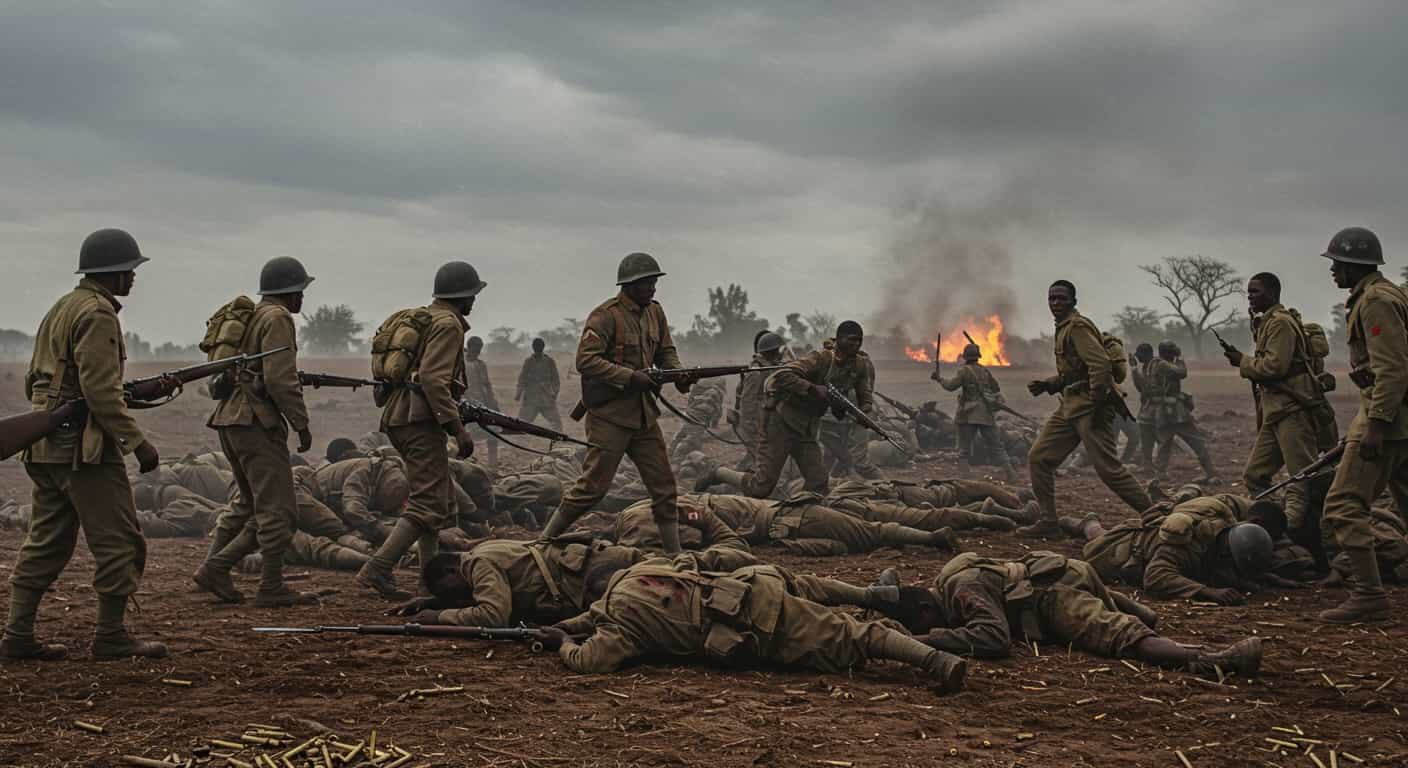
Consolidating Power As Bourba, Alboury faced immediate challenges, including internal dissent and external threats. In 1878, he successfully repelled an attack by Bara Ba, a rival claimant to the throne, demonstrating his military acumen. In 1881, he quelled a rebellion by his half-brothers, consolidating his authority and stabilizing Jolof’s political structure. These victories showcased his ability to navigate complex internal dynamics while maintaining focus on the broader threat of French colonization. Alboury’s reign was not solely defined by warfare. He promoted trade and agriculture, leveraging Jolof’s position to foster economic stability. His commitment to Islam, influenced by his alliance with Maba Diakhou Bâ and the spread of the Tijaniyya brotherhood, strengthened the kingdom’s cultural and spiritual cohesion. By balancing tradition with reform, Alboury positioned Jolof as a resilient entity in a rapidly changing world. Alliance with Lat-Dior One of Alboury’s most significant contributions was his unwavering support for Lat-Dior, the Damel of Cayor, in his anti-colonial struggles. In 1886, when Samba Laobé Fall usurped the throne of Cayor, Alboury mobilized his forces to defeat Fall’s army, restoring Lat-Dior to power. This alliance was not merely strategic but rooted in a shared vision of Wolof resistance against French domination. Alboury’s loyalty to Lat-Dior exemplified the importance of unity among African leaders in the face of colonial aggression. Confronting the French The French, under leaders like Colonel Alfred Dodds, sought to dismantle African kingdoms to establish colonial dominance. In 1885, Alboury signed a treaty with the French, agreeing to send his son, Bouna Alboury Ndiaye, to the École des Otages (a French school for the sons of African leaders). However, sensing the French’s intent to undermine his authority, Alboury later refused to comply, signaling his distrust of colonial promises. By 1890, French military pressure intensified. Unable to match their firepower, Alboury adopted a scorched-earth strategy, burning Yang-Yang to deny the French resources and retreating eastward to seek allies. This decision, while devastating, reflected his strategic foresight—prioritizing long-term resistance over short-term territorial control. He joined Ahmadu Tall in Nioro du Sahel and continued fighting in battles like Dambou, maintaining his defiance until his death in exile in Dosso, Niger, in 1901.

Exile and Legacy

Alboury’s exile was a testament to his refusal to submit. In Nioro, he aligned with anti-colonial leaders like Ahmadu Tall, continuing to fight for African sovereignty. His death in Dosso marked the end of an era, but his legacy endured. His son, Bouna Alboury Ndiaye, carried forward the family’s reputation, serving as a religious and political leader and earning recognition for his contributions during World War I. In Senegal, Alboury is celebrated as a national hero. The Stade Alboury Ndiaye in Louga bears his name, and his story is taught as a symbol of resistance and pride. His life reflects the broader struggle of African kingdoms against colonial domination, highlighting the resilience of Wolof culture and leadership.

Lessons for Modern Senegal

Alboury Ndiaye’s life offers timeless lessons for Senegalese today, particularly in the context of globalization, cultural preservation, and national development. Here are five key takeaways: Resilience in Adversity Alboury’s refusal to surrender, even when faced with overwhelming odds, underscores the power of resilience. For modern Senegalese, this translates to perseverance in addressing challenges like economic inequality, climate change, and political polarization. Alboury’s scorched-earth strategy, while extreme, reflects a willingness to make difficult choices for the greater good—a reminder to prioritize long-term goals over short-term comfort. Unity as Strength Alboury’s alliance with Lat-Dior and other leaders highlights the importance of collaboration. In a diverse nation like Senegal, with multiple ethnic groups and religious communities, unity remains critical. His example encourages Senegalese to bridge divides—whether ethnic, religious, or political—to build a stronger, more cohesive society. Cultural Preservation Amid Change Alboury balanced tradition with reform, promoting Islam while preserving Wolof identity. In today’s globalized world, Senegal faces pressures from Westernization and modernization. His legacy inspires Senegalese to embrace progress while safeguarding their cultural heritage, such as the Wolof language, music, and traditions like wrestling. Strategic Leadership Alboury’s ability to navigate internal rebellions and external threats demonstrates strategic foresight. For Senegal’s leaders, this underscores the need for pragmatic, forward-thinking governance. Whether addressing youth unemployment or leveraging Senegal’s natural resources, leaders can draw on Alboury’s ability to adapt to complex challenges. Courage to Resist Injustice Alboury’s defiance of colonial oppression resonates in a world where neo-colonialism, economic exploitation, and cultural imperialism persist. His courage inspires Senegalese to advocate for sovereignty in all forms—economic, cultural, and political—ensuring that Senegal’s voice is heard on the global stage.

Conclusion

Alboury Ndiaye’s life is a testament to the enduring spirit of resistance and leadership. As the last Bourba of Jolof, he fought not only for his kingdom but for the dignity and autonomy of his people. His strategic alliances, cultural reforms, and unyielding defiance against colonial forces make him a timeless figure of inspiration. For modern Senegal, Alboury’s legacy offers a roadmap for navigating challenges with resilience, unity, and pride. By honoring his example, Senegalese can continue to build a nation that is strong, united, and rooted in its rich heritage.