Heritage
Sunulife · Fri, Jun 26, 2026 · 2 min read
The Silent Voices of Khelcom: When Senegal Rewrites Its Epic
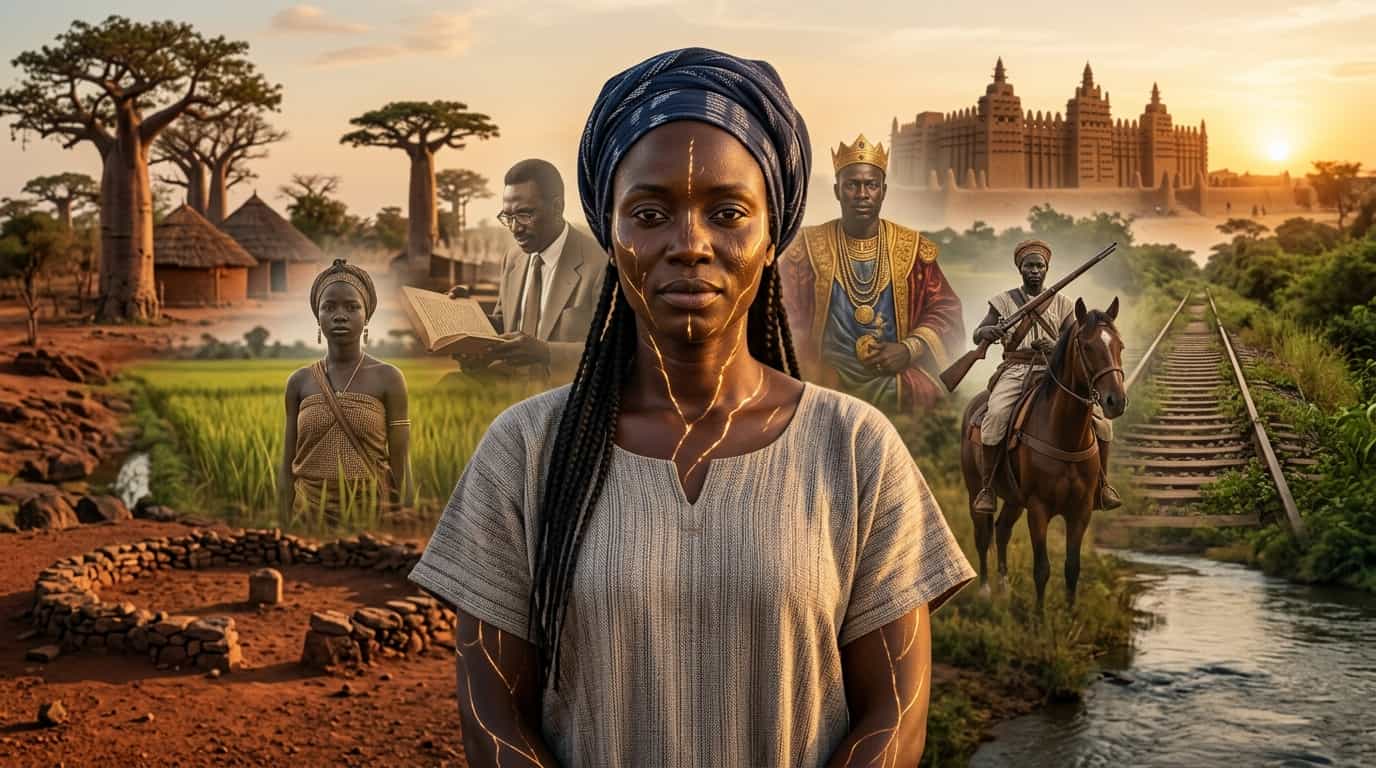
There are places that time seems to have forgotten. Expanses of savannah where the wind alone still carries the echoes of lost battles. Khelcom, that vast plain along the Gambian border, is one such place. Today, Senegalese archaeologists are unearthing the remains of a resistance long thought buried forever. But what they are bringing to light is not merely dust and bones: it is a rewriting of our national epic. For decades, the official narrative of colonization was told by other voices. Voices that spoke of 'pacification,' 'conquest,' 'civilization.' Voices that reduced our ancestors to folkloric figures, resisters to rebels without a future. But the earth does not forget. Beneath the layers of Khelcom, excavations reveal fortifications, weapons, everyday objects that tell a very different story: that of a people who chose to rise, to say no, and to defend their sovereignty to the death. This resistance was not an isolated cry. It was part of a long tradition of struggles that marked the history of West Africa. From the Mali Empire, where Sundiata Keita united the Manding people in the 13th century, to the Kingdom of Jolof, one of the first great Senegalese states. These empires were not mere political entities; they were radiant civilizations, with their own legal systems, trade networks, and oral traditions preserved by griots. And when colonial pressure intensified in the 19th century, these same peoples knew how to mobilize. Lat Dior, the damel of Cayor, embodies this