Heritage

Sunulife · Thu, Mar 26, 2026 · 4min read

The Scars of Memory: When Africa Remembers Its Heroes
The Scars of Memory: When Africa Remembers Its Heroes
Favourite

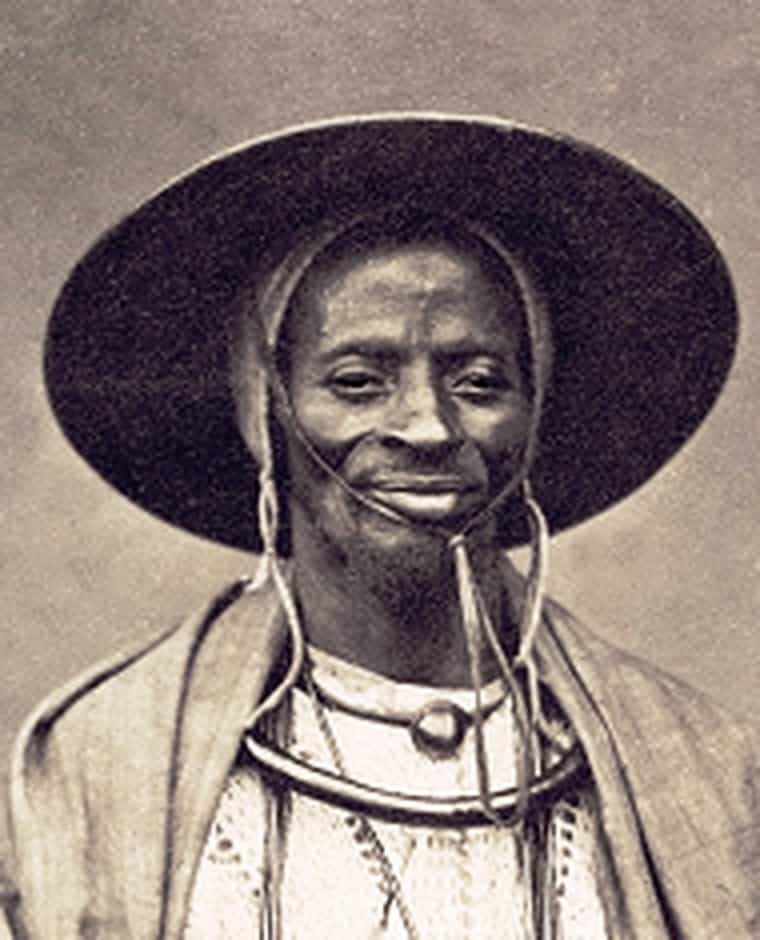
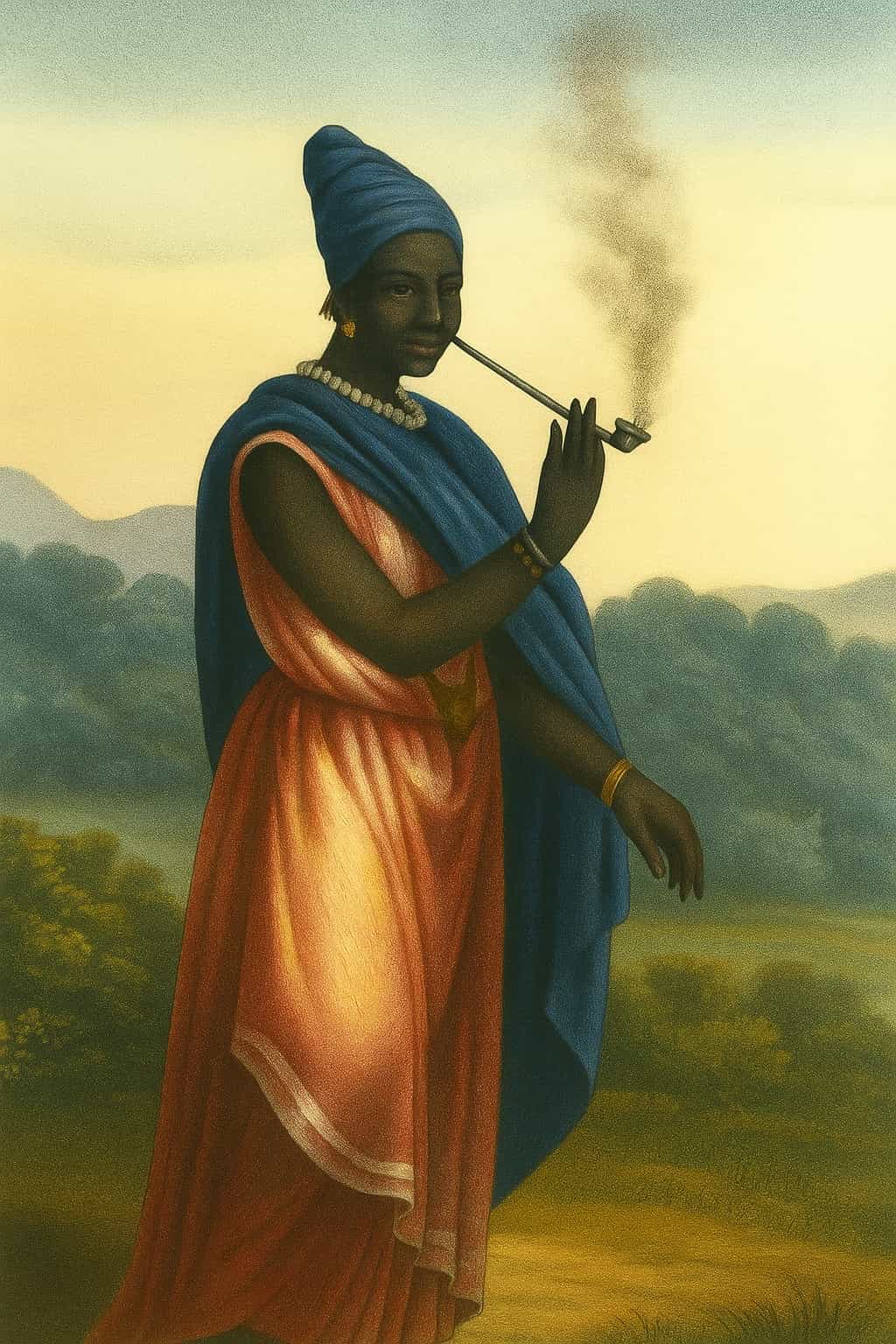
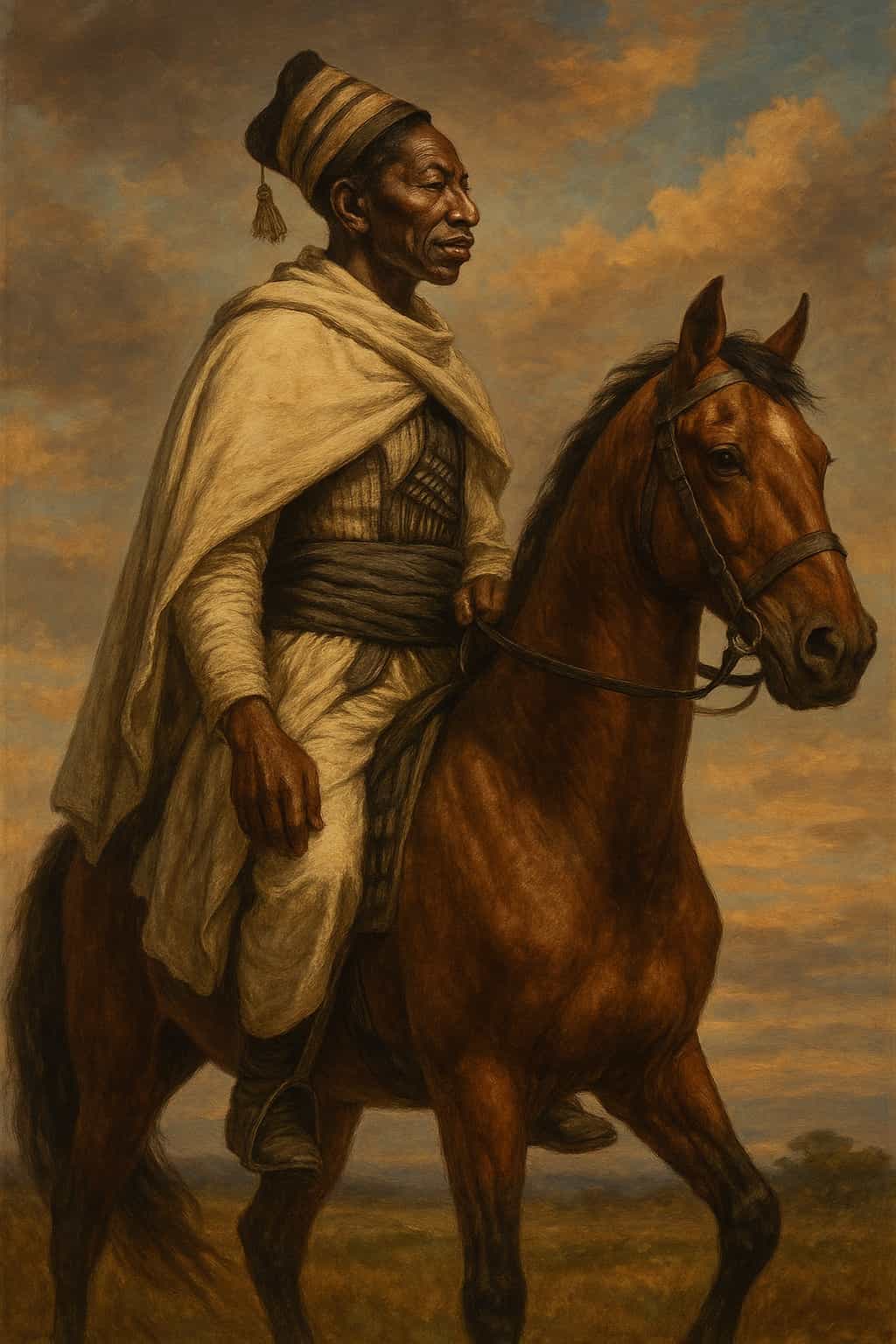
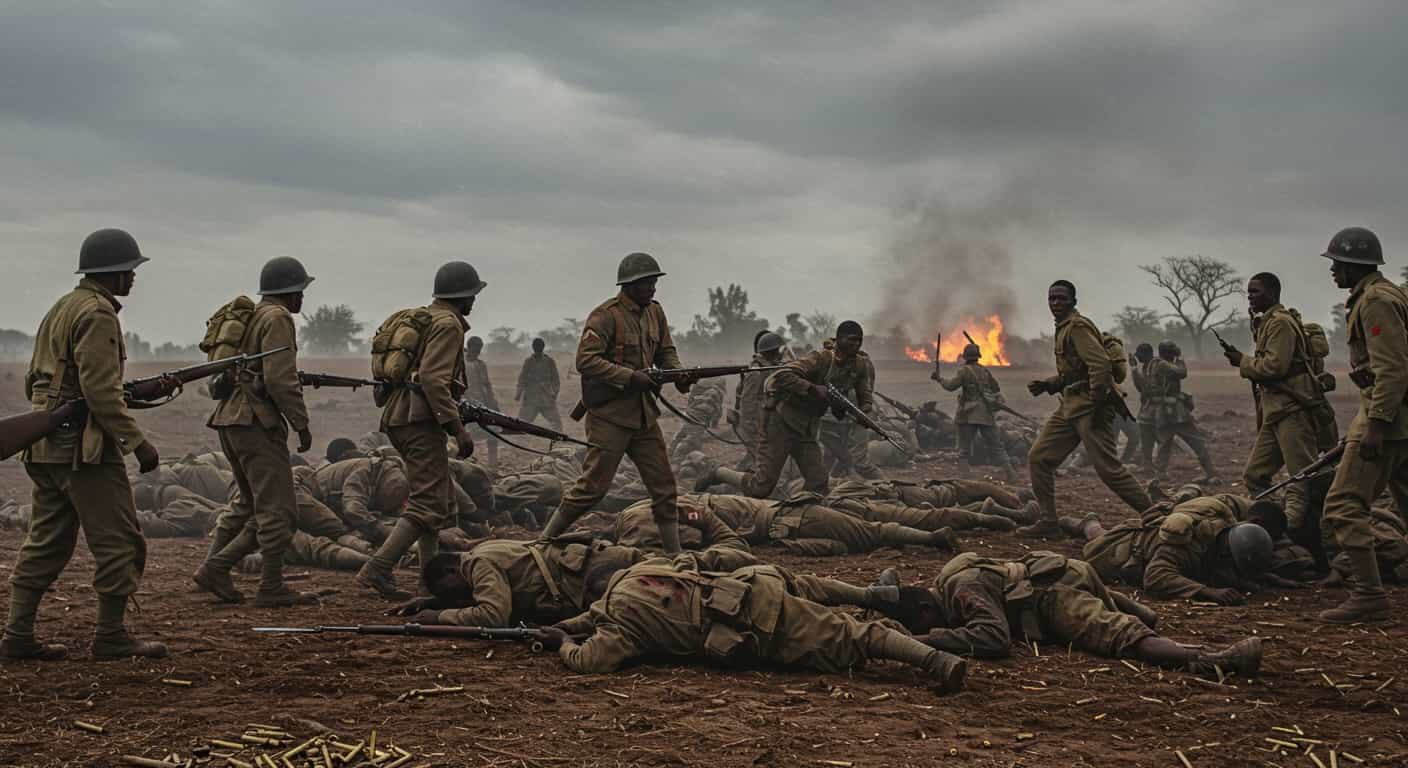
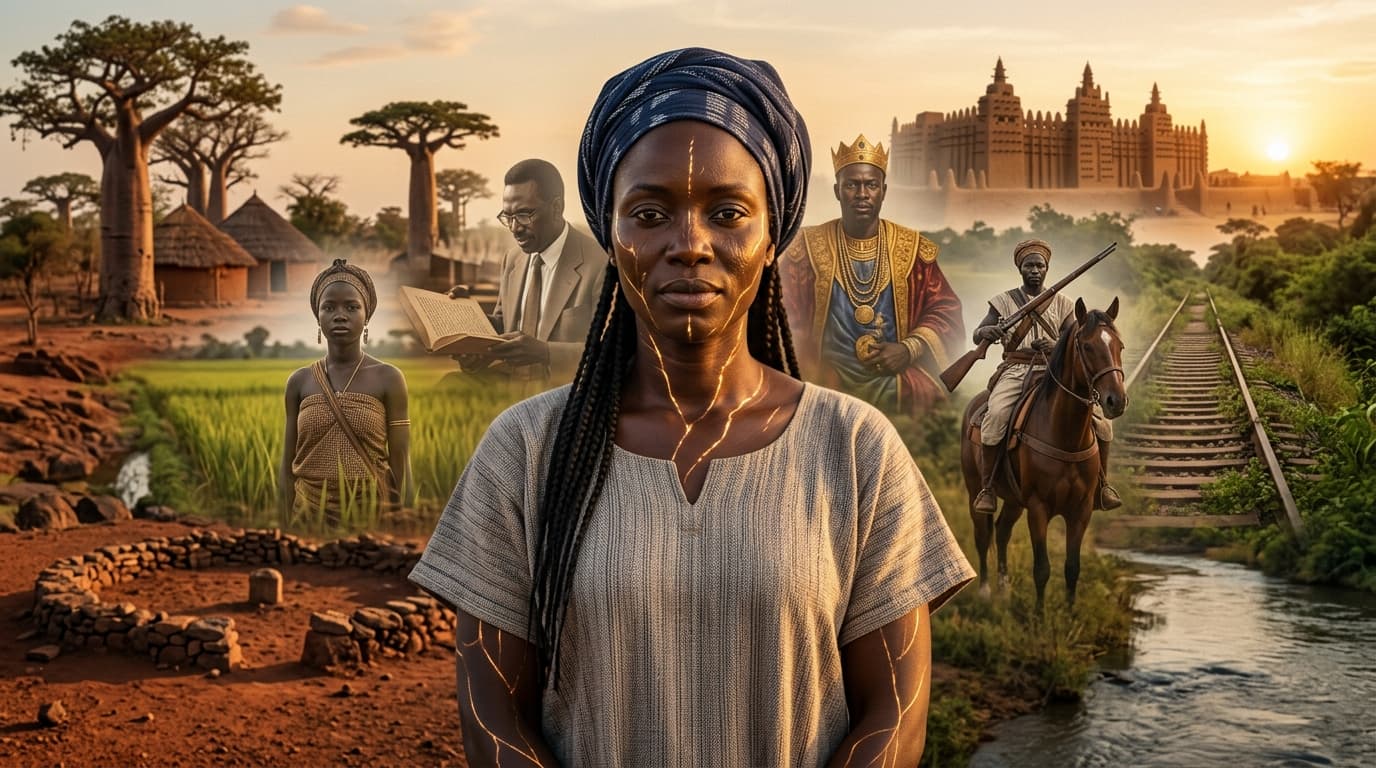
There are wounds that leave no visible scars, yet whose imprint runs deeper than any physical mark could ever reach. In the intricate folds of our African history, these invisible traces weave the very fabric of our collective memory, reminding us that some healings occur not on the surface, but in the most intimate layers of our being. The Wolof Empire, with its sophisticated political structures long before colonizers arrived, represents one such memory scar—a civilization whose grandeur was systematically erased from dominant narratives, yet whose DNA persists in our languages, our customs, our way of being in the world. Lat Dior, the Damel of Cayor, embodies this resistance that refuses to heal into oblivion. His categorical refusal to allow the colonial railway—that steel serpent designed to siphon the land's wealth—still resonates today as a prophetic act of preservation. He understood before many that some infrastructures do not connect, but divide; do not develop, but exploit. His death in battle in 1886 did not mark the end of his legacy, but the beginning of a memory that would continue to beat in rhythm with Senegalese hearts, generation after generation. In the Casamance region, another figure emerges from the mists of repressed history: Aline Sitoé Diatta. This young woman, a simple rice cultivator, became the vessel for a spiritual revolt against colonial oppression. Her visions, her predictions, her call to return to traditional crops and refusal of colonial taxes—everything about her represented an alternative healing, a medicine for the soul against the sickness of submission. Imprisoned in Timbuktu and dying in exile, her body disappeared, but her spirit continued to circulate in oral traditions, those underground veins of our collective memory. Cheikh Anta Diop, the revolutionary scholar, devoted his life to scientifically demonstrating what our ancestors knew intuitively: that Africa is not the history-less continent we were led to believe, but the very cradle of humanity and its first great civilizations. His monumental work—from demonstrating the Blackness of ancient Egyptians to his theories about Africa's cultural unity—constituted a surgical operation on collective memory. He delicately removed layers of falsification accumulated through centuries of colonial narratives, revealing historical skin that remained intact, vibrant, complex. Further east, the Mali Empire and its founder Sundiata Keita offer another model of historical healing. The Manden Charter, proclaimed in the 13th century, already established principles abolishing slavery, protecting the weak, and respecting human life—universal values born on African soil long before their adoption elsewhere. Sundiata, the lame child who became conqueror and lawgiver, symbolizes that African capacity to transform apparent weakness into redemptive strength, to make difference an engine of unity rather than division. These inheritances are not frozen relics of the past, but living forces that continue to circulate in our present. Resistance movements—from the Senegalese riflemen who fought for freedoms denied them at home, to the independence activists who paid with their lives for the right to self-determination—constitute the stem cells of our collective memory. They constantly regenerate our capacity to imagine different futures, to refuse imposed fatalisms, to create despite historical wounds. Heritage sites—from Gorée Island to the Senegambian stone circles, from Timbuktu's banco mosques to Abomey's royal palaces—are not merely assembled stones, but open books where chapters of our resilience can be read. Every stone, every pattern, every orientation responds to a profound logic, a complete cosmology that places humans within a network of relationships with the divine, nature, and ancestors. Today, as science explores how to heal skin without leaving scars, our challenge as Africans is different: how to honor our historical scars without becoming prisoners to them? How to transform memory of wounds into active wisdom, into renewed creativity? The answer may lie in that millennial African capacity to practice holistic medicine—a healing that integrates body and spirit, past and present, individual and community. Our heroes—whether sovereigns like Lat Dior, scholars like Cheikh Anta Diop, visionaries like Aline Sitoé Diatta, or lawgivers like Sundiata Keita—teach us this essential lesson: that true healing consists not in erasing traces of the past, but in integrating them into a vaster, more complex, truer narrative. Their lives, their struggles, their visions constitute the invisible sutures holding together the fabric of our collective identity—scars become ornaments, wounds transformed into sources of strength. When Africa fully remembers its heroes—not as distant statues, but as living presences in our collective imagination—then we will discover that memory itself possesses extraordinary regenerative properties. It can heal historical fractures, repair broken connections, and bring forth new forms of beauty from the very traces left by trials. In this active memory lies our capacity not only to survive, but to be continually reborn—without apparent scars, but with a depth of being that only overcome adversity can confer.