
Heritage

Lat Dior: Senegal’s Hero of Resistance and Lessons for Today

Lat Dior was a 19th-century Senegalese king who fiercely resisted French colonial expansion, becoming a national symbol of sovereignty and resilience. His legacy offers enduring lessons in defending cultural identity and strategic leadership against domination.
SunulifeSat, Jun 7, 20258min read
Lat Dior: Senegal’s Hero of Resistance and Lessons for Today

Introduction

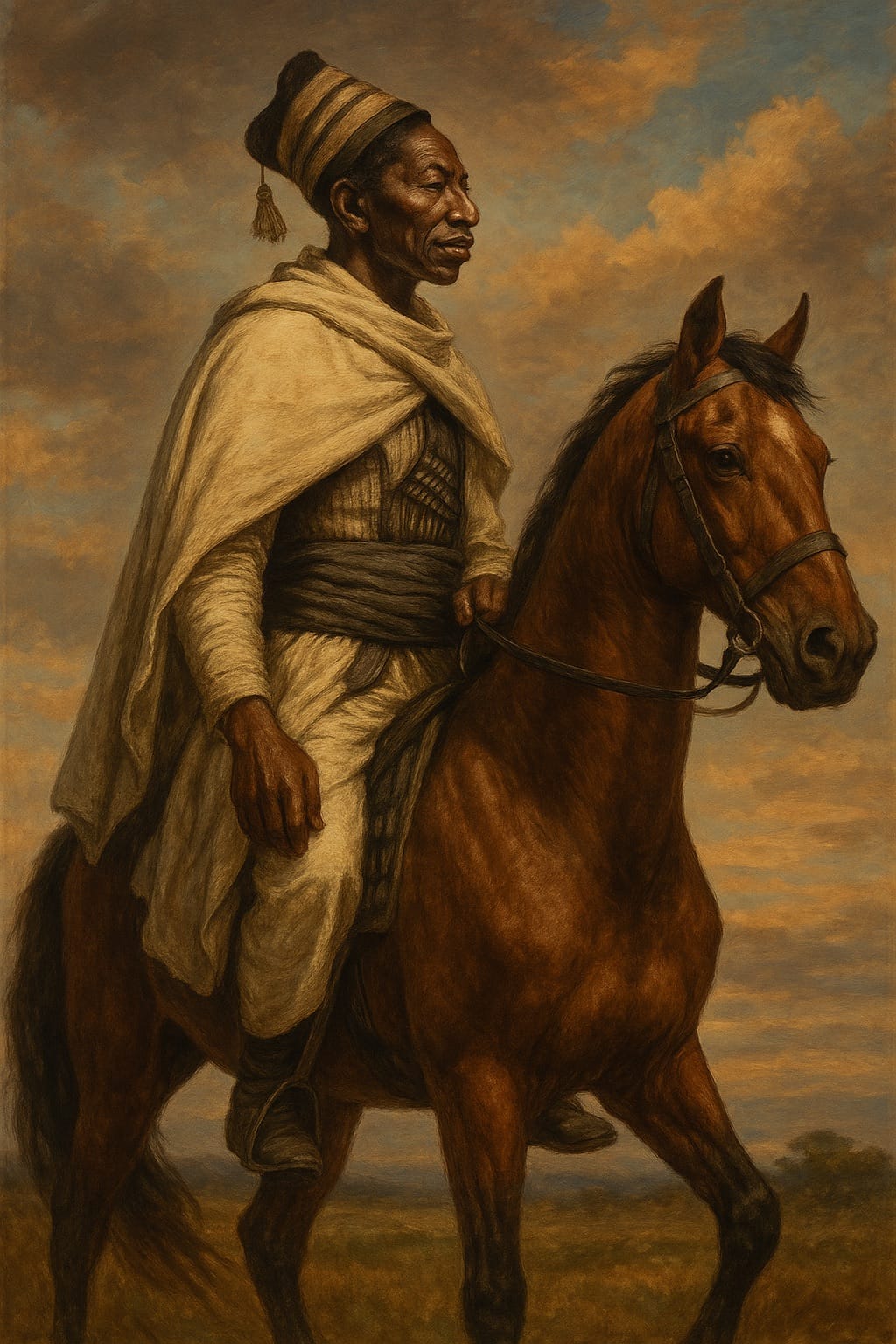
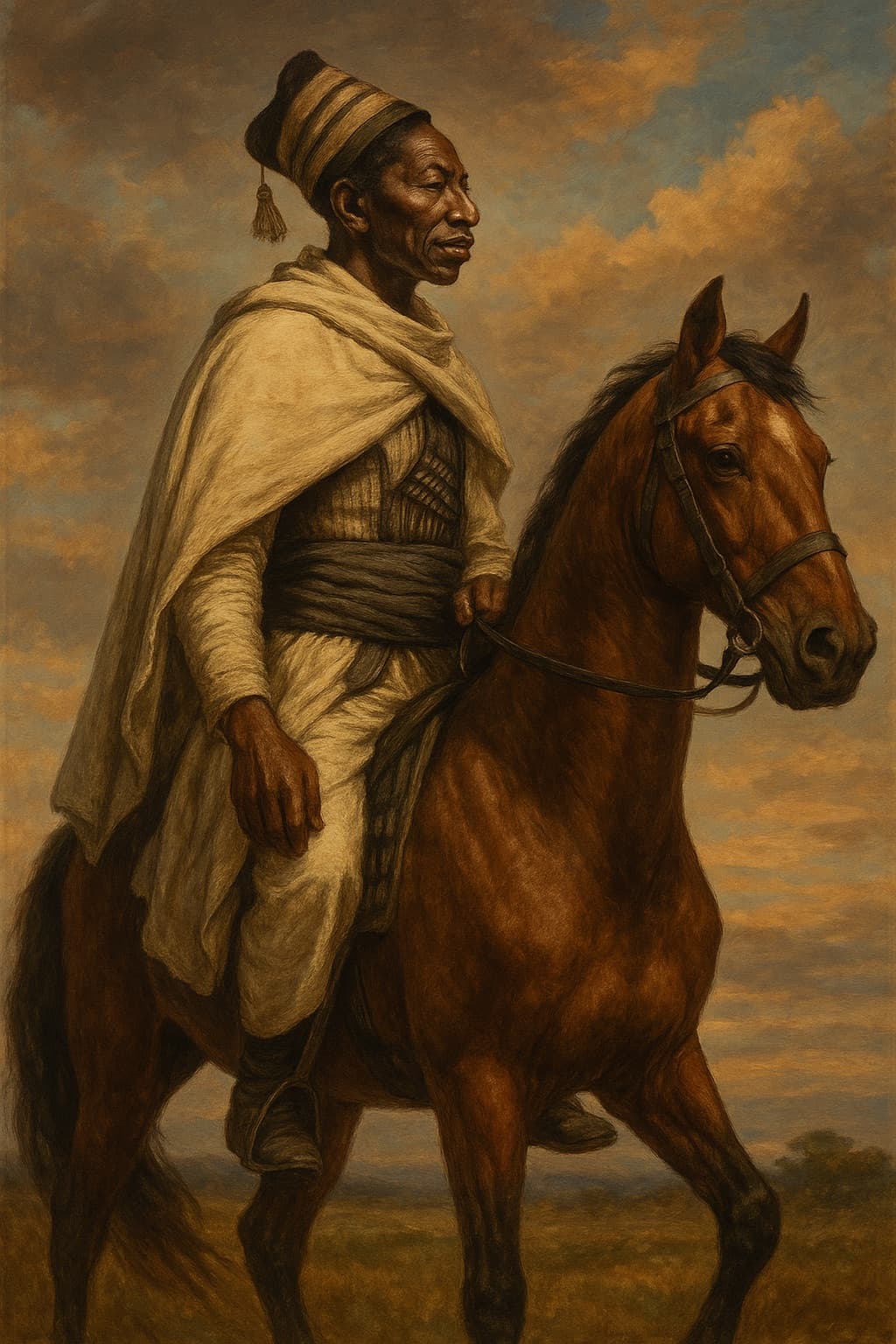
Lat Dior Ngoné Latyr Diop (c. 1842–1886), the Damel of Cayor, stands as one of Senegal’s most revered historical figures. His unyielding resistance against French colonial expansion in the 19th century has cemented his legacy as a national hero, embodying courage, sovereignty, and cultural pride. For every Senegalese, Lat Dior’s life offers profound lessons in resilience, strategic leadership, and the defense of identity against external domination. This deep dive explores who Lat Dior was, his pivotal role in Senegal’s history, and the enduring lessons his story imparts.

Who Was Lat Dior?

Early Life and Rise to Power Born around 1842 in Keur Amadou Yalla, Cayor, Lat Dior Ngoné Latyr Diop hailed from the Wolof Dynasty of Paleen Dedd. His mother, Linguère Ngoné Latyr Fall, belonged to the powerful Geej (or Guedj) maternal dynasty, descending from Lingeer Ngoné Dièye of Tubé Dieye in Gandiol. His father, Sahewer Sokhna Mbaye Diop, was not from the traditional Fall ruling family, making Lat Dior the first Damel of Cayor with the Diop surname—a significant break from convention. Lat Dior ascended to the throne of Cayor, a prominent Wolof kingdom in northwest Senegal, in 1862 at the age of 20. His reign came at a time of increasing French colonial pressure, as France sought to expand its influence through economic control (notably peanut cultivation) and infrastructure projects like the Dakar–Saint-Louis railway. Lat Dior’s leadership was defined by his refusal to submit to these encroachments, earning him a reputation as a fierce defender of Senegalese sovereignty. A Warrior and Visionary Lat Dior’s early life was shaped by the political and cultural dynamics of Cayor, a kingdom known for its strong Wolof traditions and military prowess. In 1861, he converted to Islam under the influence of the marabout Maba Diakhou Bâ, a Tijani Muslim leader who advocated for jihad against both traditional African rulers and European colonizers. This conversion marked a significant shift, as Cayor had historically been a secular state. Lat Dior’s embrace of Islam not only strengthened his alliance with Maba but also galvanized his followers, blending spiritual conviction with political resistance.

Lat Dior’s Resistance Against Colonialism

The Context of French Expansion In the mid-19th century, France, under governors like Louis Faidherbe and Émile Pinet-Laprade, sought to consolidate control over Senegal. The French promoted peanut cultivation to fuel their economy, often at the expense of local agriculture, and planned a railway to connect Dakar and Saint-Louis, facilitating resource extraction and military dominance. Lat Dior saw these moves as existential threats to Cayor’s autonomy and way of life. His famous declaration, “As long as I live, be assured, I shall oppose, with all my might the construction of this railway,” encapsulated his resolve. Key Battles and Strategies Lat Dior’s 25-year resistance was marked by strategic brilliance and adaptability, despite facing a technologically superior enemy. His key military engagements include: Battle of Ngol-Ngol (1863): Lat Dior led a successful campaign against French forces, showcasing his ability to mobilize Cayor’s cavalry and infantry effectively. Battle of Koki (1861): An early victory that bolstered his reputation as a formidable leader. Battle of Mekhe (1869): Another triumph that demonstrated his tactical acumen in guerrilla warfare. Alliance with Maba Diakhou Bâ: In 1865, Lat Dior allied with Maba to conquer Baol and Djolof, expanding his influence. However, their defeat at the Battle of Fandane-Thiouthioune (1867) against the Serer Kingdom of Sine highlighted the challenges of uniting disparate African kingdoms against a common enemy. Return to Power (1871): After being ousted in 1864, Lat Dior regained Cayor’s throne through a temporary treaty with the French, only to resume resistance when their promises of autonomy proved hollow. Lat Dior’s strategies included leveraging Cayor’s cavalry (notably his loyal horse, Maalaw), forming alliances with other African leaders, and exploiting the French’s overextension. His ability to rally diverse groups—Wolof nobles, Muslim marabouts, and commoners—underscored his charisma and diplomatic skill. The Final Stand: Battle of Dékhélé (1886) Lat Dior’s resistance culminated in the Battle of Dékhélé on October 26 or 27, 1886. Outnumbered and outgunned, he fought alongside his sons and warriors in a desperate stand against French forces. The battle was fierce and bloody, with Lat Dior refusing to retreat. He was killed alongside two of his sons, and his loyal horse Maalaw also perished, fulfilling Lat Dior’s vow that “Maalaw will never see the railway line.” To prevent the French from desecrating his body, his former ally-turned-rival, Demba War Sall, buried Lat Dior in secret, preserving his dignity even in defeat.

Lat Dior’s Legacy

Lat Dior’s death did not end his influence. His resistance inspired generations of Senegalese to value sovereignty and cultural identity. His legacy is preserved in: Monuments and Honors: A 3.5-meter bronze statue of Lat Dior on Maalaw stands in Dakar, erected in 1982. A stadium in Thiès and a military camp in Dakar bear his name. On December 12, 2024, President Bassirou Diomaye Faye inaugurated a monument in Thiès, celebrating Lat Dior as a symbol of sovereignty. Cultural Memory: Griots, Senegal’s oral historians, immortalize Lat Dior through songs and stories, emphasizing his honor, patriotism, and military prowess. Military Motto: The Senegalese Army’s motto, “On nous tue, on ne nous déshonore pas” (“They can kill us, but they cannot dishonor us”), is adapted from French governor Louis Faidherbe’s description of Lat Dior’s troops, reflecting their unyielding spirit. Commemorative Stamps: Senegal issued postage stamps in 1981 and 1986 to honor his contributions.

Lessons Every Senegalese Should Learn from Lat Dior’s History

Lat Dior’s life offers timeless lessons for Senegalese people today, particularly in the context of modern challenges like neocolonialism, globalization, and cultural erosion. Here are five key takeaways: Uphold Sovereignty Against External Pressures Lat Dior’s refusal to compromise Cayor’s autonomy in the face of French economic and military might is a powerful reminder to prioritize national interests. In today’s world, where foreign influence can manifest through economic dependencies or cultural imposition, Senegalese should draw inspiration from Lat Dior’s resolve to protect their nation’s sovereignty. This means advocating for policies that prioritize local industries, education, and cultural heritage over external agendas. Resilience in the Face of Adversity Despite overwhelming odds—French firearms, cannons, and strategic fortifications—Lat Dior fought for 25 years. His perseverance teaches Senegalese to remain steadfast in pursuing justice and self-determination, even when the challenges seem insurmountable. Whether facing economic hardship or political marginalization, his example encourages resilience and collective action. Strategic Leadership and Adaptability Lat Dior’s ability to blend traditional Wolof warfare with alliances (e.g., with Maba Diakhou Bâ) and his shift to Islam to unify his people demonstrate strategic foresight. Modern Senegalese leaders and citizens can learn to adapt to changing circumstances—whether technological, political, or cultural—while staying rooted in core values. This balance is crucial for navigating globalization without losing identity. Unity for a Common Cause Lat Dior’s alliances with other African leaders, though not always successful, highlight the importance of unity in the face of external threats. For Senegalese today, this lesson underscores the need for solidarity across ethnic, religious, and regional lines to address national challenges like poverty, climate change, or foreign influence. A united front, as Lat Dior sought, amplifies strength. Preserve Cultural Identity Lat Dior’s resistance was not just political but cultural, as he opposed the French imposition of peanut monoculture that disrupted traditional agriculture. His legacy urges Senegalese to cherish and protect their cultural heritage—Wolof traditions, Islamic values, and griot storytelling—in the face of globalization’s homogenizing forces. By promoting local languages, arts, and histories, Senegal can maintain its unique identity.

Contemporary Relevance

Lat Dior’s story resonates in Senegal’s modern push for sovereignty, as seen in movements advocating for economic independence and cultural pride. The 2024 monument inauguration by President Faye reflects a renewed appreciation for historical figures who resisted external domination. In an era of global trade agreements and foreign investments, Lat Dior’s defiance serves as a cautionary tale against exploitative partnerships that prioritize foreign interests over Senegal’s development. Moreover, his conversion to Islam and alliance with marabouts highlight the role of faith in mobilizing communities. Today, as Senegal navigates its secular democracy alongside a strong Islamic identity, Lat Dior’s example encourages balancing tradition with progress.

Conclusion

Lat Dior Ngoné Latyr Diop was more than a king; he was a symbol of resistance, honor, and sacrifice. His 25-year struggle against French colonialism, culminating in his death at Dékhélé, embodies the spirit of a nation unwilling to bow to oppression. For every Senegalese, his life teaches the importance of sovereignty, resilience, strategic leadership, unity, and cultural pride. As Senegal faces new challenges in the 21st century, Lat Dior’s legacy remains a guiding light, reminding the nation that while adversaries may overpower, they cannot dishonor a people determined to defend their identity and freedom.
Discussion

How might Lat Dior's strategic conversion to Islam to unify resistance against colonial infrastructure projects (the railway) inform modern African movements balancing religious identity with sovereignty in the face of foreign economic influence?