Sunulife · Wed, May 13, 2026 · 4 min read
Ancestral Echoes: The Forgotten Epic of African Resistance
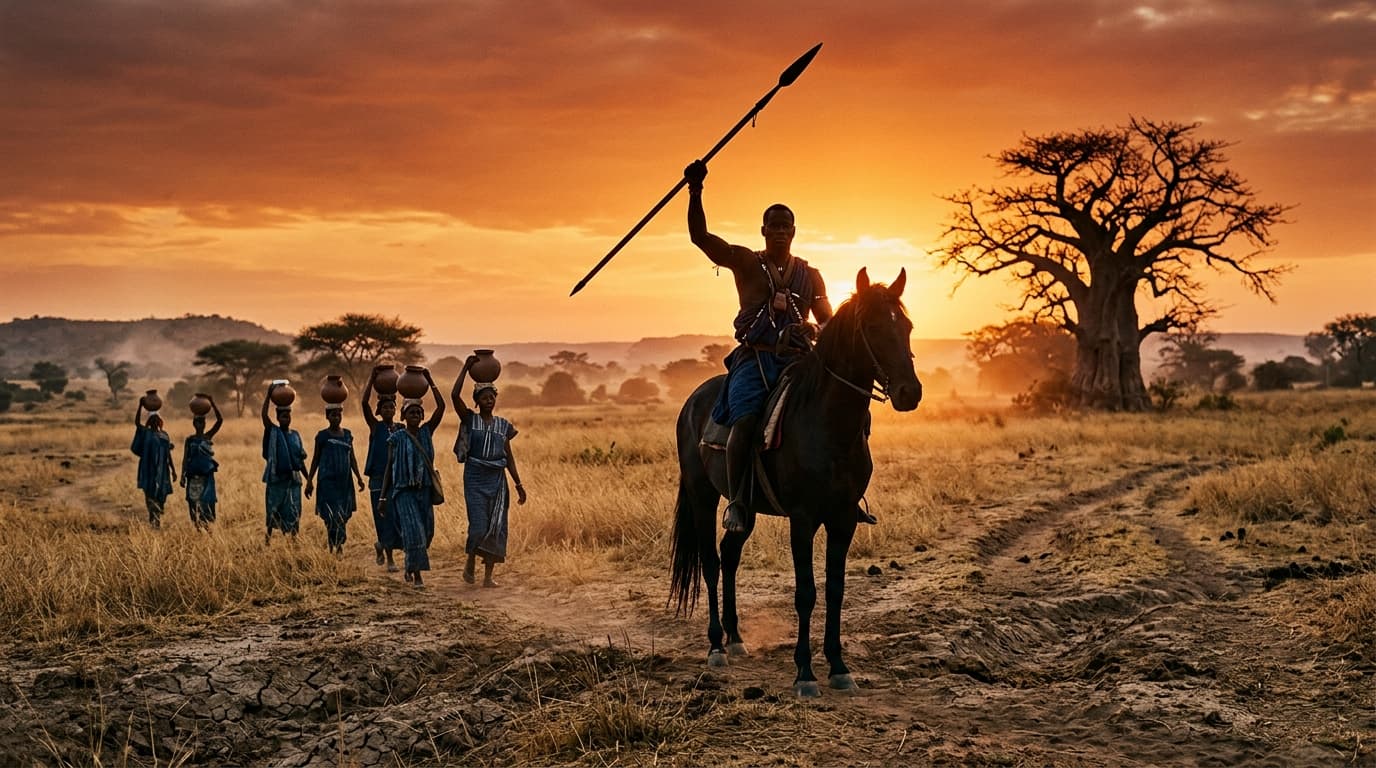
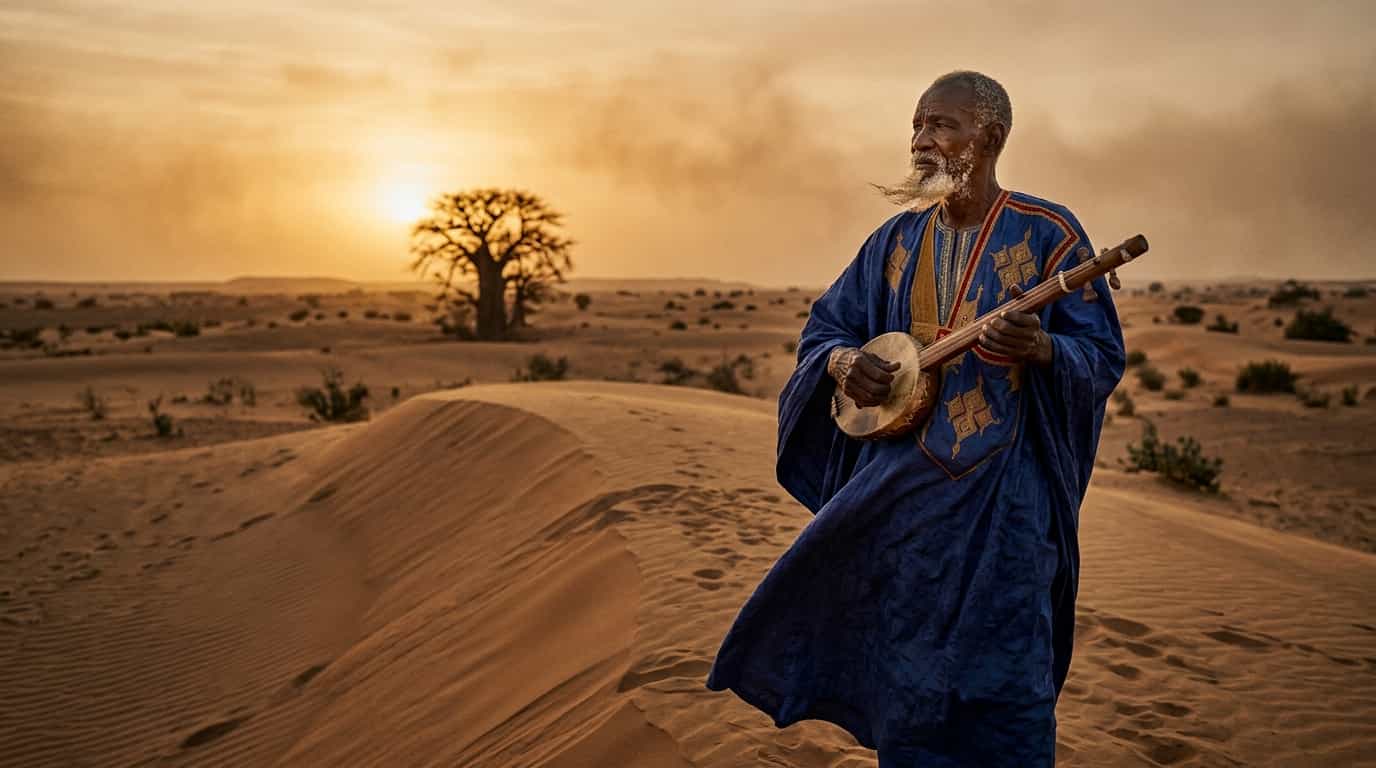
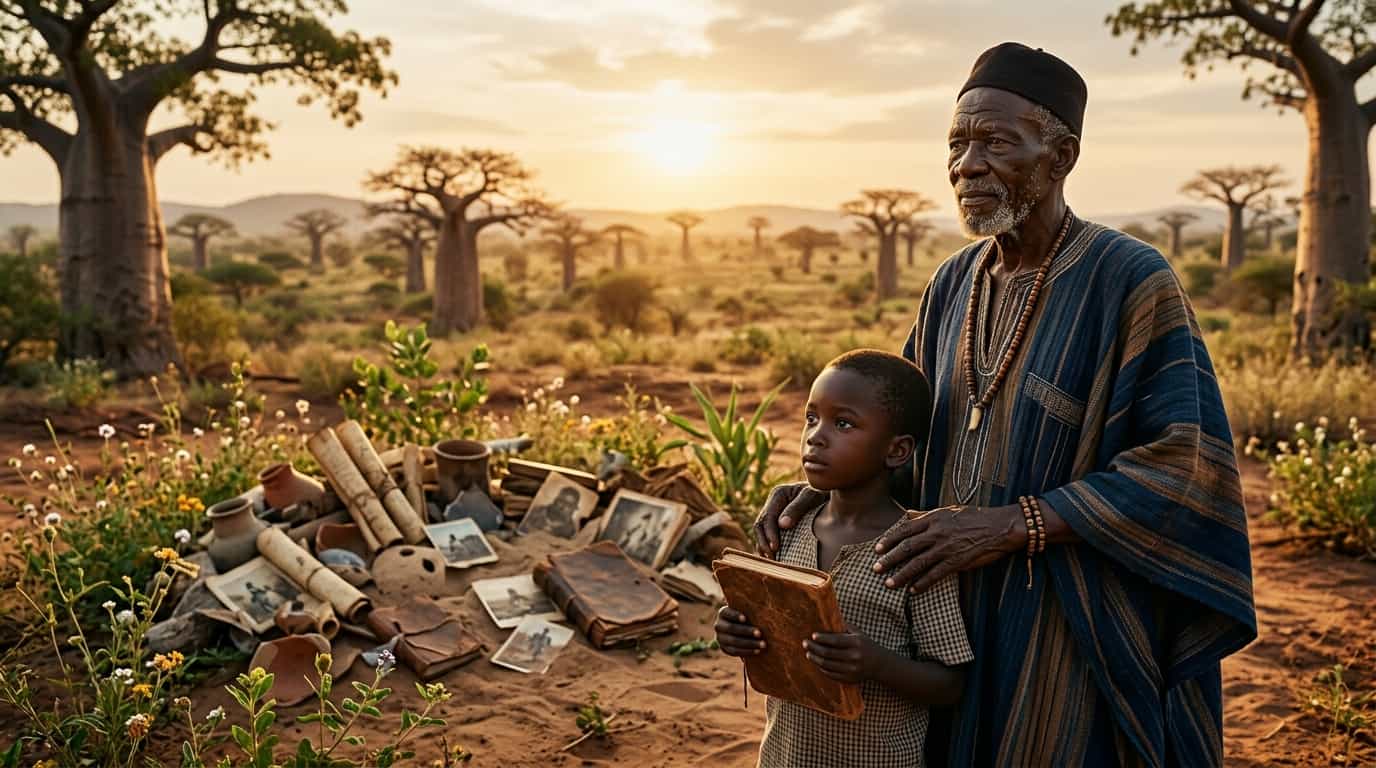
When the dry Sahel wind caresses the ancient baobabs of Cayor, it still carries the whispers of an era when warriors spoke to the stars. West Africa, this land blessed by ancestors, never knew the twilight of its greatness. It only endured nights of trial, where the memory of heroes glowed like embers beneath ash. In the silence of colonial museums, in the dusty archives of foreign powers, lie the truncated narratives of our civilizations. But Africa's heart still beats, and its legends come alive every time a griot raises their voice. Cheikh Anta Diop, that giant of thought, demonstrated with scientific rigor that Pharaonic Egypt was a Negro civilization. His work, like a flash of light in the darkness of prejudice, restored Africa's rightful place in universal history. It was not merely about reclaiming past glory, but about restoring the dignity of a people. For whoever controls the narrative of the past holds the keys to the future. Diop taught us that our history did not begin with the slave trade or colonization, but with dynasties of black pharaohs, scholars who charted the stars, architects who defied the sky. And what of the Mali Empire, that constellation of kingdoms where Sundiata Keita, the Lion of Manding, built a state whose prosperity and justice became legendary? The epic of Sundiata, sung by generations of griots, is not a simple tale: it is the genetic code of our resilience. When Sundiata, paralyzed and scorned, rose to unite his people, he became the symbol of African renaissance. At its zenith, the Mali Empire was a beacon of knowledge, with Timbuktu as the beating heart of the intellectual world. Precious manuscripts, covering astronomy, medicine, law, were preserved there, testifying to a civilization that conversed with the universe. But the story of African resistance does not end with medieval empires. It continues, stubbornly, in the battles of the 19th century. Lat Dior, the damel of Cayor, embodies this fierce struggle against the French invader. He refused to bow, preferring death to servitude. His bravery at the Battle of Dekhele in 1886, where he fell with weapons in hand, is a cry of honor that still resounds in Senegalese hearts. He fought not only for land, but for the very soul of his people. Alongside him, women like Aline Sitoé Diatta, the priestess of Casamance, stirred crowds against colonialism. She, who drew her strength from the spirits of the forest, became the face of female resistance in Africa. Her sacrifice, her death in exile, did not extinguish the flame: she became an eternal symbol of the struggle for freedom. These figures are not dusty relics. They are living sources for a generation seeking to reclaim its heritage. Intangible cultural heritage—songs, dances, rites, tales—is the very fabric of our identity. Every step of sabar, every melody of kora, every griot's narrative is an act of resistance against oblivion. In a world that seeks to homogenize cultures, preserving these traditions is a declaration of sovereignty. Young Africans, connected globally, are rediscovering the wisdom of the elders, not as sterile nostalgia, but as a compass for the future. Africa does not need its history to be returned. It has always possessed it, even when others tried to steal it. But it is time we write it ourselves, with the ink of our truth. For the memory of ancestors is not a frozen monument: it is a river that nourishes future generations. By honoring Lat Dior, Aline Sitoé Diatta, Sundiata Keita, Cheikh Anta Diop, we do not mourn a bygone past. We celebrate an eternal presence. The baobab never dies; it regenerates from its own roots. So is Africa: forever standing, forever free.