
Heritage
Cheikh Ahmadou Bamba: Senegal’s Spiritual Hero and Lessons for Today
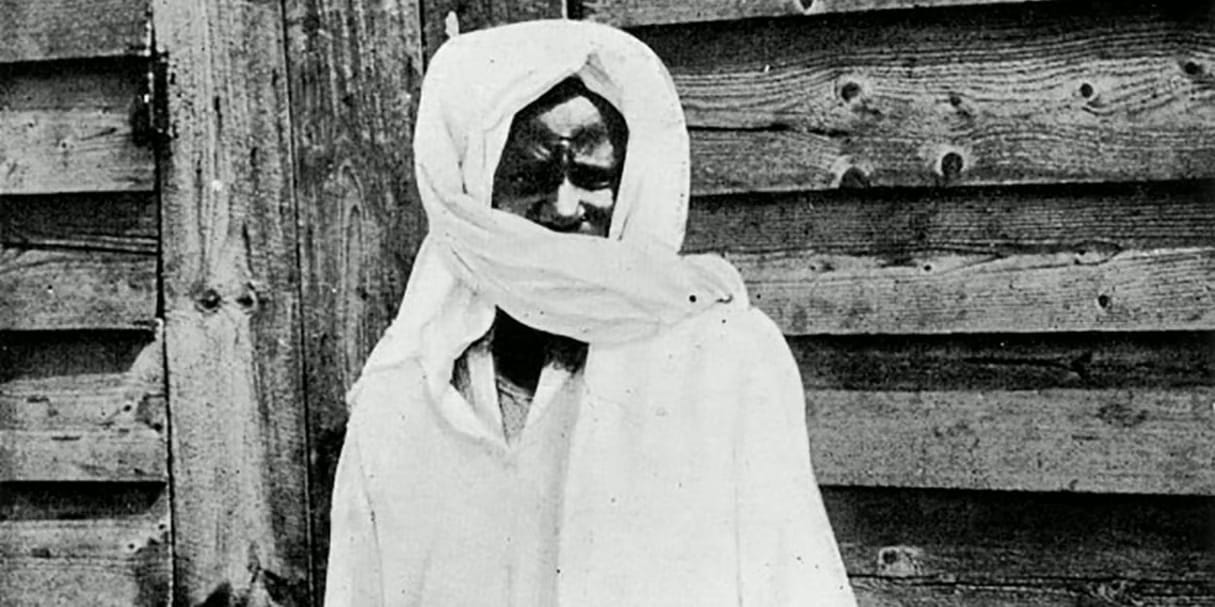
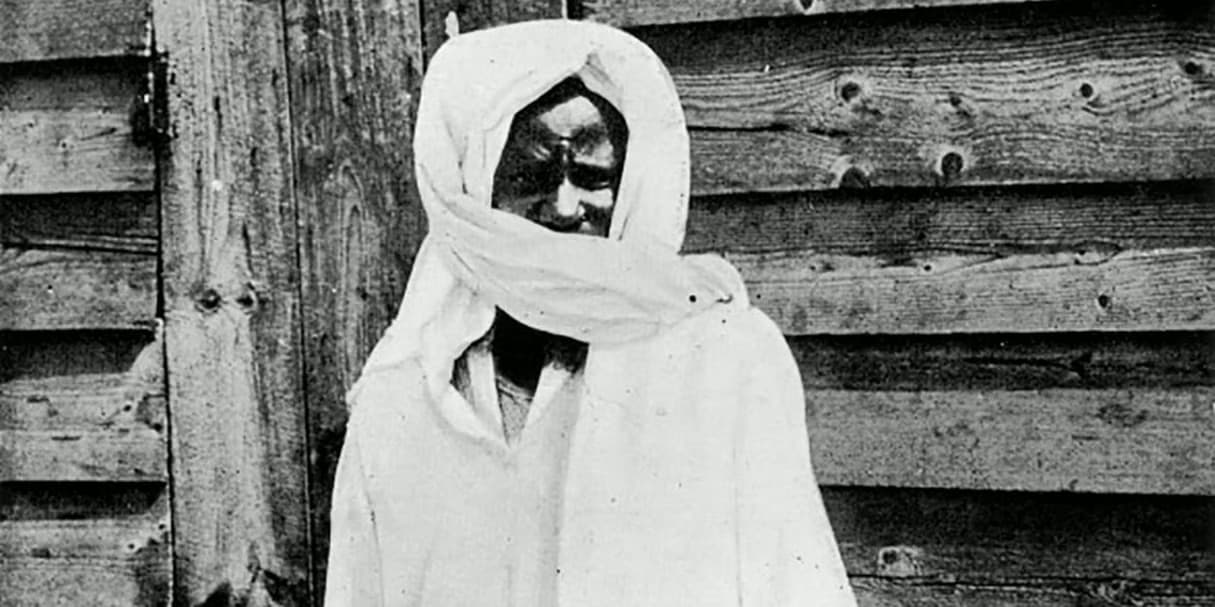
Cheikh Ahmadou Bamba founded Senegal's Mouride Brotherhood, leading non-violent resistance to French colonialism through spiritual teachings, education, and hard work. His legacy of faith, self-reliance, and community solidarity remains a guiding force in Senegal today.
Introduction
Cheikh Ahmadou Bamba Mbacké (1853–1927), also known as Serigne Touba, is one of Senegal’s most revered figures, celebrated as the founder of the Mouride Brotherhood, a powerful Sufi Muslim order. His non-violent resistance to French colonial rule, profound spiritual teachings, and emphasis on education, work, and devotion have made him a national icon. For every Senegalese, Bamba’s life offers enduring lessons in resilience, moral integrity, and the power of faith in the face of oppression. This deep dive explores who Cheikh Ahmadou Bamba was, his pivotal role in Senegal’s history, and the lessons his legacy imparts.Who Was Cheikh Ahmadou Bamba?
Early Life and Spiritual Awakening Born in 1853 in Mbacké, in the Kingdom of Baol, Ahmadou Bamba Mbacké was a Wolof religious leader from a family of Islamic scholars. His father, Momar Anta Saly Mbacké, was a respected marabout and advisor to the Damel of Cayor, while his mother, Mame Diarra Bousso, was known for her piety. Raised in a scholarly environment, Bamba displayed an early aptitude for Islamic theology, memorizing the Quran and studying under prominent scholars like his father and other marabouts. Bamba’s spiritual journey deepened in his youth, leading him to embrace Sufism, a mystical branch of Islam emphasizing inner purification and closeness to God. By his 20s, he had gained a reputation as a brilliant scholar and poet, composing works on Islamic theology, ethics, and spirituality. In 1883, at the age of 30, he founded the Mouride Brotherhood in Touba, a city he established as the spiritual capital of his movement. The Mouride Brotherhood emphasized devotion to God, hard work, and education, attracting thousands of followers across Senegal. A Spiritual Leader in a Colonial Era Bamba’s rise coincided with French colonial expansion in Senegal. Unlike military resistors like Lat Dior, Bamba chose a path of non-violent resistance, using spiritual leadership to preserve Senegalese identity and autonomy. His teachings, rooted in Sufi principles, promoted self-reliance, community solidarity, and submission to God’s will, offering an alternative to colonial domination. This approach made him a threat to French authorities, who feared his growing influence over the Wolof population.Cheikh Ahmad Bamba’s Resistance Against Colonialism
The Context of French Colonial Rule By the late 19th century, France had consolidated control over much of Senegal, imposing economic policies like peanut cultivation and administrative structures that disrupted traditional systems. The French viewed religious leaders like Bamba with suspicion, fearing they could incite rebellion. Bamba’s Mouride Brotherhood, with its emphasis on spiritual and economic independence, was seen as a challenge to colonial authority, despite his explicit rejection of armed resistance. Non-Violent Resistance and Exile Bamba’s resistance was rooted in his refusal to submit to colonial cultural and political domination. He encouraged his followers to maintain their Islamic faith, work ethic, and communal solidarity, countering French efforts to assimilate Senegalese into their system. His growing influence led to repeated confrontations with the French: First Exile to Gabon (1895–1902): In 1895, the French accused Bamba of plotting a jihad and exiled him to Gabon, a harsh tropical colony. Far from breaking him, this exile strengthened his spiritual resolve. He reportedly spent his time in prayer and writing, producing profound works like Masalik al-Jinan (Paths to Paradise), a treatise on Islamic spirituality. His followers believed he performed miracles, such as surviving a French attempt to execute him by firing squad, reinforcing his saintly status. Second Exile to Mauritania (1903–1907): After returning to Senegal, Bamba’s influence continued to grow, prompting the French to exile him again, this time to Mauritania, under the supervision of a rival marabout. There, he continued teaching and writing, further solidifying his legacy. House Arrest in Diourbel (1912–1927): Upon his return, Bamba was placed under house arrest in Diourbel, where he spent his final years. Despite restrictions, he organized his followers, established agricultural communities (daaras), and oversaw the construction of the Great Mosque of Touba, completed after his death in 1927. Bamba’s non-violent approach—emphasizing prayer, education, and work—proved remarkably effective. His followers, known as Mourides, developed self-sustaining communities that resisted colonial economic dependency, particularly through peanut farming under Bamba’s guidance, which paradoxically aligned with French economic interests while empowering local communities. Key Contributions Founding the Mouride Brotherhood: Bamba’s establishment of the Mouride Brotherhood provided a framework for spiritual and social organization, with principles of khidma (service), tawakkul (trust in God), and himma (effort). These values fostered resilience and independence. Touba as a Spiritual Capital: Bamba’s creation of Touba as a holy city gave Senegalese Muslims a focal point for their identity, free from colonial influence. Today, Touba is a major pilgrimage site, especially during the annual Grand Magal, which commemorates Bamba’s 1895 exile. Literary Legacy: Bamba’s writings, including thousands of poems and treatises, remain central to Mouride theology. His works emphasize ethical living, devotion, and education, inspiring generations of scholars and disciples.Cheikh Ahmadou Bamba’s Legacy
Bamba’s death in 1927 did not diminish his influence; rather, it amplified it. The Mouride Brotherhood remains one of Senegal’s most powerful religious and social institutions, with millions of followers worldwide. His legacy is preserved in: Great Mosque of Touba: Completed in 1963, this architectural marvel symbolizes Bamba’s vision and draws millions of pilgrims annually during the Grand Magal, a celebration of his life and exile. Cultural and Economic Impact: The Mouride Brotherhood’s emphasis on hard work and entrepreneurship has shaped Senegal’s economy, particularly in agriculture and trade. Mourides are known for their business acumen, with networks extending to Europe and North America. National Recognition: Bamba is honored as a national hero, with his image on postage stamps (e.g., 1975, 2004) and public monuments. His teachings influence Senegal’s secular democracy, balancing Islamic values with modernity. Global Influence: The Mouride diaspora has spread Bamba’s teachings globally, with communities in cities like New York and Paris celebrating his legacy through cultural events and religious gatherings.Lessons Every Senegalese Should Learn from Cheikh Ahmadou Bamba’s History
Bamba’s life offers timeless lessons for Senegalese, particularly in navigating modern challenges like globalization, social inequality, and cultural erosion. Here are five key takeaways: Power of Non-Violent Resistance Bamba’s refusal to resort to violence, despite colonial oppression, demonstrates the strength of moral and spiritual resistance. His example teaches Senegalese to confront injustice through peaceful means—education, dialogue, and community organization—while maintaining dignity and resolve. In today’s world, this approach is relevant for addressing issues like corruption or social inequality without resorting to division. Faith as a Source of Strength Bamba’s unwavering trust in God during exile and persecution sustained him and inspired his followers. For Senegalese, his life underscores the role of faith—whether Islamic or otherwise—in overcoming adversity. This lesson encourages individuals to draw on spiritual or ethical convictions to face personal and collective challenges. Education and Self-Reliance Bamba’s emphasis on education and work ethic transformed his followers into a self-sustaining community. His daaras (Islamic schools) and agricultural initiatives empowered Senegalese to resist colonial exploitation. Today, this lesson urges investment in education, vocational training, and entrepreneurship to reduce dependency on foreign aid or exploitative systems. Community Solidarity The Mouride Brotherhood’s success lies in its communal structure, where disciples support one another under the guidance of marabouts. Bamba’s model of collective effort teaches Senegalese the importance of unity across ethnic, social, and economic lines to address national challenges like poverty, unemployment, or climate change. Preserving Cultural and Spiritual Identity Bamba’s creation of Touba and his promotion of Islamic values preserved Senegalese identity against colonial assimilation. His legacy encourages Senegalese to protect their cultural heritage—Wolof traditions, Islamic practices, and oral histories—while engaging with the modern world. This balance is crucial in an era of globalization that risks eroding local identities.Contemporary Relevance
Bamba’s teachings remain vital in Senegal’s quest for cultural and economic sovereignty. The Grand Magal, attended by millions annually, reinforces national unity and spiritual devotion, serving as a reminder of Bamba’s resistance to external domination. In a globalized world, his emphasis on self-reliance and community-driven development offers a blueprint for addressing economic disparities and foreign influence. Moreover, Bamba’s integration of Islamic spirituality with practical action resonates in Senegal’s secular democracy, where 95% of the population is Muslim. His model of balancing faith with modernity guides contemporary debates on governance, education, and social justice. The Mouride Brotherhood’s global reach also highlights Senegal’s cultural influence, fostering pride in national identity.Conclusion
Cheikh Ahmadou Bamba Mbacké was more than a religious leader; he was a beacon of spiritual resistance, intellectual rigor, and communal empowerment. His non-violent defiance of French colonialism, establishment of the Mouride Brotherhood, and creation of Touba have left an indelible mark on Senegal. For every Senegalese, Bamba’s life teaches the power of faith, education, unity, and cultural pride in overcoming adversity. As Senegal navigates the challenges of the 21st century, Bamba’s legacy remains a guiding light, inspiring a nation to uphold its values and build a future rooted in resilience and self-determination. Discussion
How can Cheikh Ahmadou Bamba’s commitment to non-violent resistance and spiritual self-sufficiency guide African communities today in confronting modern forms of economic and cultural domination?
