Works
Sunulife · Sun, Apr 26, 2026 · 2 min read
Durban 2026: When South African Cinema Rewrites Its Story in isiZulu
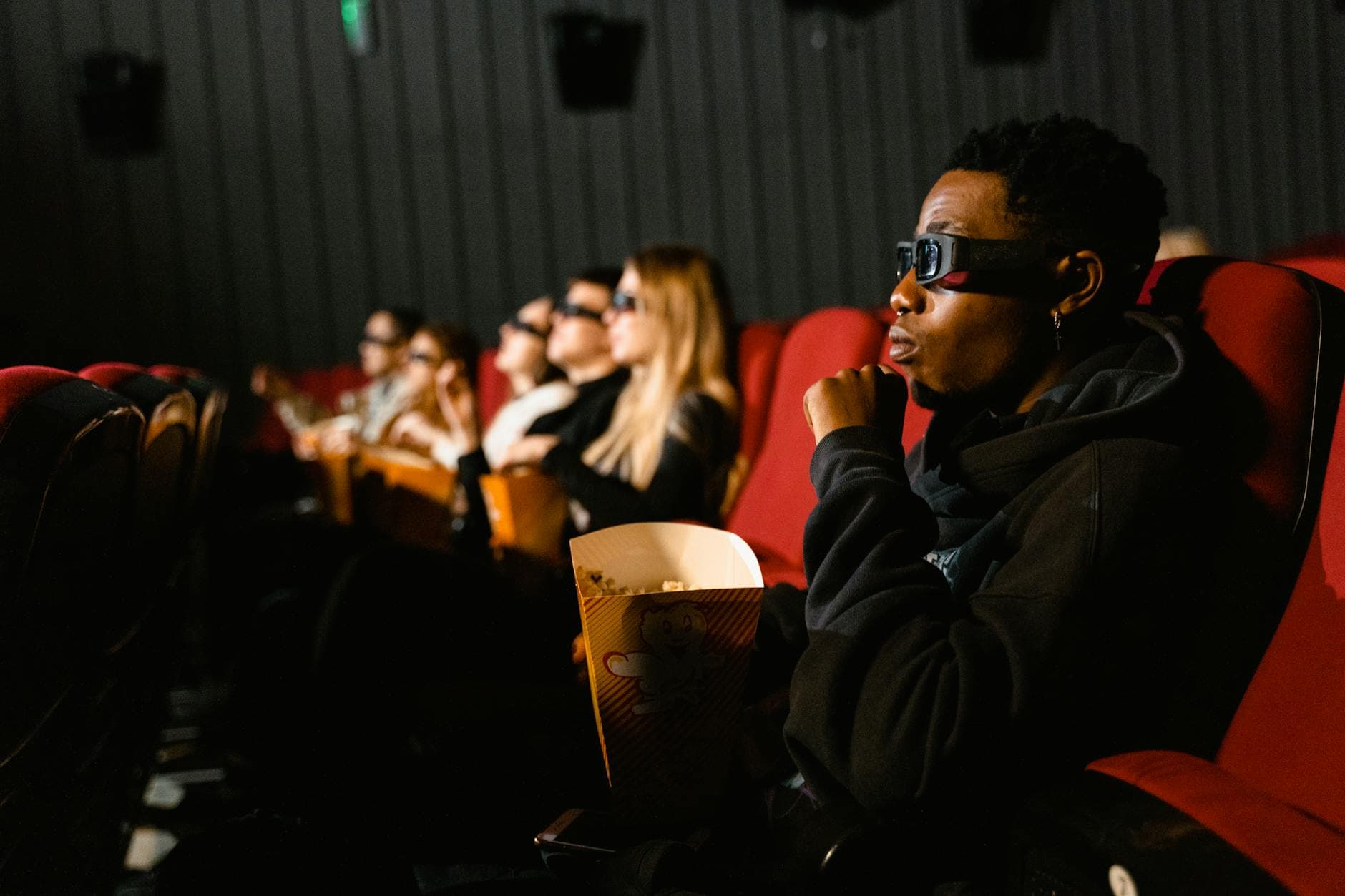
Some festivals are content to roll out a red carpet. Others, rarer, choose to weave its fabric with the threads of living memory. The Durban International Film Festival (DIFF), the oldest and largest film gathering in Southern Africa, is set to mark its 47th edition in 2026 with an ambition that is far from anecdotal: to make the isiZulu language not a folkloric ornament, but a full-fledged tool of creation. The isiZulu screenwriting workshop, announced as one of the edition's pillars, is no mere concession to linguistic diversity. It is a political and aesthetic act. In a country where cinema has long spoken Afrikaans or English, sometimes with a Hollywood accent, DIFF reminds us that the seventh art can and must take root in the languages that carry everyday stories. The gesture is all the more powerful as it is paired with an expanded industry programme, designed to offer emerging filmmakers concrete access to markets and funding networks. This dual focus—training and market access—reveals a rare maturity on the continent. Too often, African festivals oscillate between cultural showcase and professional fair without managing to combine the two. Durban, however, seems to have found the balance: it is no longer just about showing films, but about building the conditions for their emergence. The isiZulu workshop is not just another workshop; it is a statement of intent. By placing language at the heart of the creative process, DIFF questions how South African cinema can shed