Works
Sunulife · Wed, May 27, 2026 · 2 min read
The Political Otherwise: When African Fiction Weaves Power and the Intimate
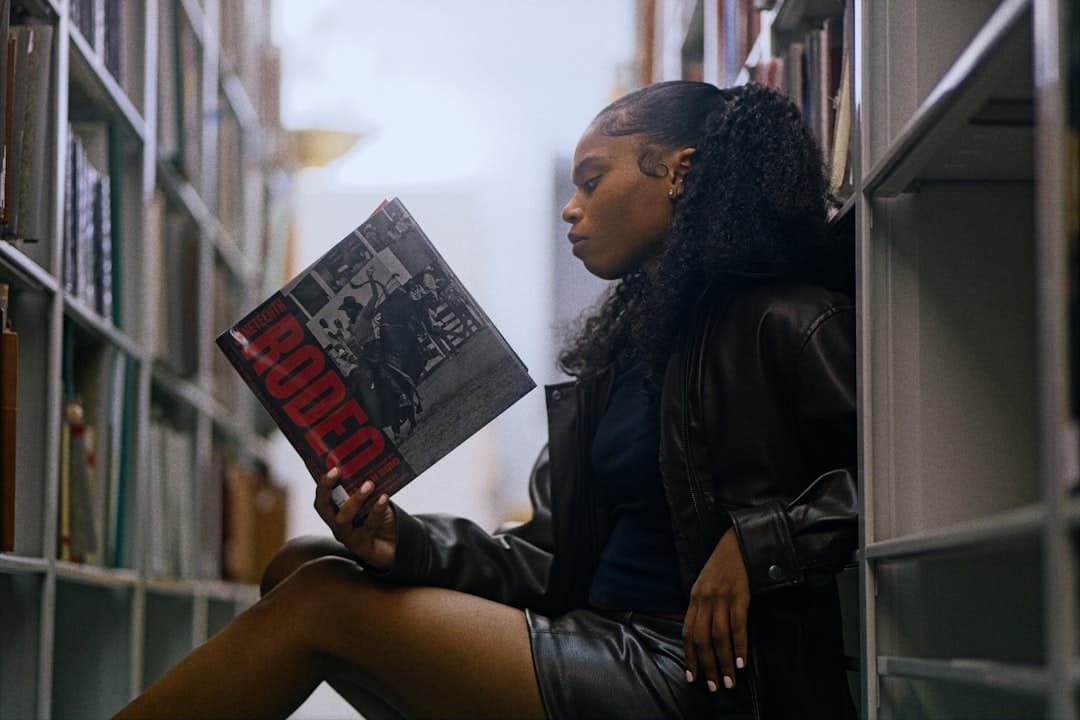
In the African literary landscape of the past decade, politics has never been a matter of mere slogans. It seeps in—sometimes in full light, sometimes through contraband—into the folds of a love story or the silences of a fractured family. The second installment of our series on African political fiction reminds us that, for our writers, the political is first a matter of gazes, of bodies, of memories that refuse to be silenced. Consider *The River of Lost Souls* by Hemley Boum: here, the Anglophone Cameroon war is not a backdrop but a presence that corrodes the most intimate bonds. Boum does not describe battles; she shows how a nation unravels through the fissures of a family. Politics, for her, is a matter of empty chairs, unsent letters, silences that weigh more than speeches. In contrast, *The Shadow King* by Maaza Mengiste plunges into the Italo-Ethiopian resistance with poetic violence. But again, power is not only played out on the battlefield: it is negotiated in women’s gazes, in photographic archives, in the reinvention of memory. Mengiste reminds us that politics is also a war of narratives. Closer to home, *The Patience of the Baobab* by Djaïli Amadou Amal explores the political through the lens of forced marriage in the Sahel. The book does not brandish a placard; it shows, with surgical precision, how power structures anchor themselves in female bodies. Each page is an act of silent resistance, a cartography of ordinary dominations. What unites these works is t