Works
Sunulife · Wed, Apr 15, 2026 · 2 min read
Chinua Achebe and the Burden of Memory: When the Native Intellectual Rewrites History
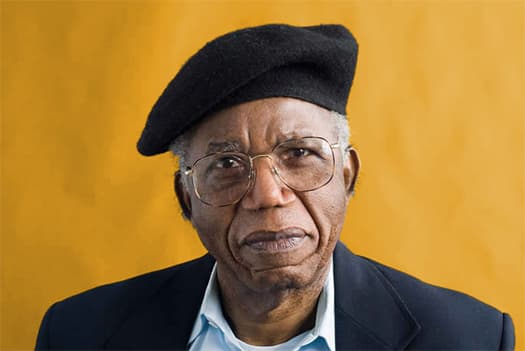
When Chinua Achebe published 'There Was A Country' in 2012, he wasn't merely placing another book on Nigeria's literary landscape. He was dropping a stone into the troubled waters of national memory, creating ripples that have never ceased to spread. This isn't the memoir of an aging writer, but the charged testimony of an intellectual who refuses to let history be written solely by the victors. Achebe, the author who gave Africa its voice with 'Things Fall Apart', transforms here into an archivist of pain, a cartographer of the silences that haunt the post-colonial consciousness. Jeremy Weate is correct to note that the controversy transcends 'the simple tectonics of ethnicity'. The real earthquake stems from what Achebe does with his position as a native intellectual: he wields his moral authority, forged through decades of literary creation, to force a nation to confront its fractured reflection. Every page carries the weight of this responsibility—not that of the neutral historian, but of the witness who knows that certain silences amount to betrayals. The Biafran War thus becomes less a military conflict than a rupture in how Nigeria tells its own story. What makes this book so powerful, and so dangerous to official narratives, is precisely its rejection of neutrality. Achebe writes from the epicenter of pain, but with the distance of an artist who understands that historical truth often resides in the interstices between facts. His personal testimony becomes a prism thr