Sunulife · Mon, Apr 27, 2026 · 3 min read
The Senegalese Art of Living: Where Gastronomy Meets Style
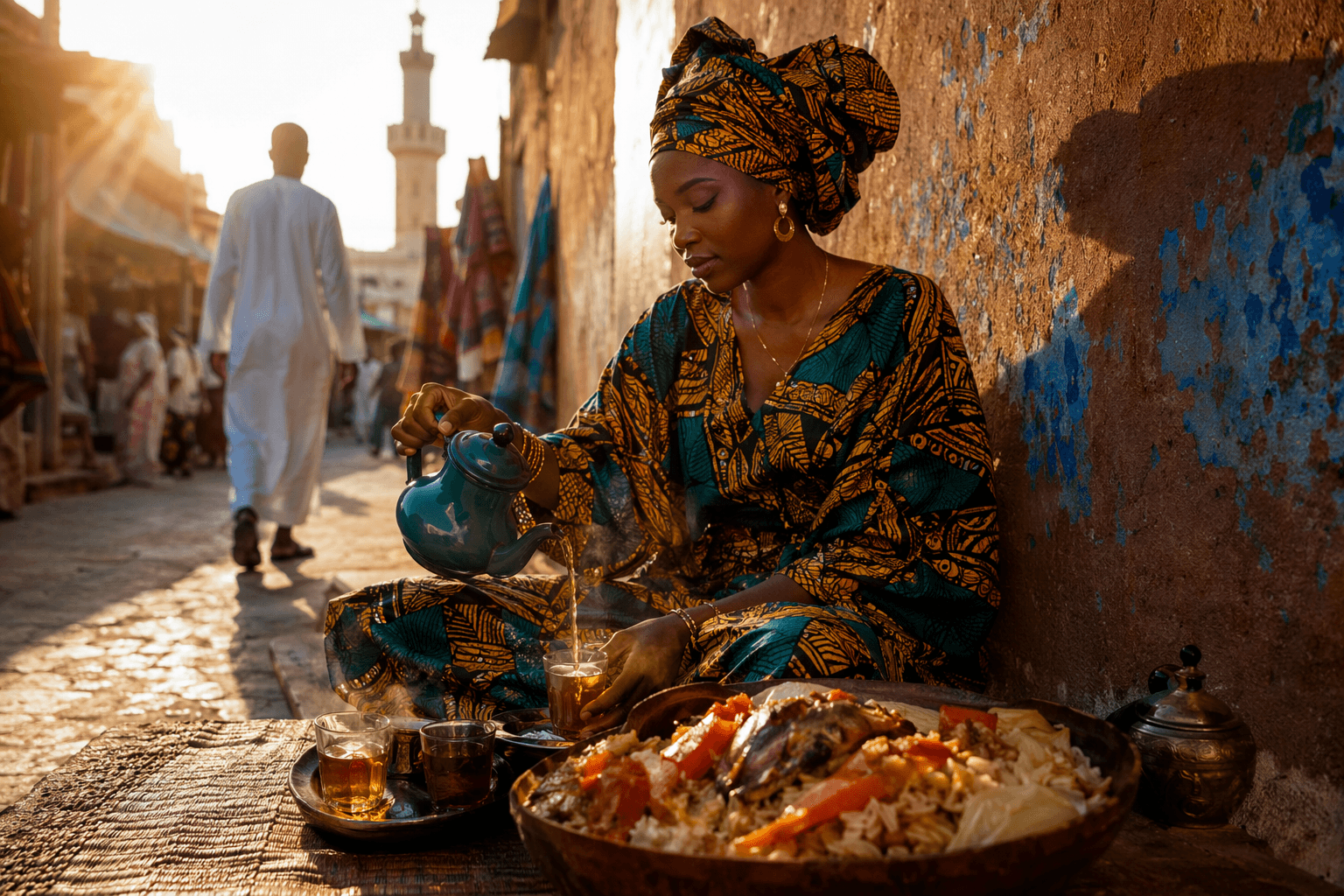
The Dakar sun caresses the Medina rooftops, and already the enchanting aroma of simmering thiéboudienne floats in the air. This national dish, this generous fish and rice creation, is more than a recipe: it is a geography of taste, a cartography of flavors that tells Senegal in all its complexity. The fish, freshly caught from the Atlantic, marries local vegetables—carrots, cabbage, cassava—and fragrant rice, creating a symphony where each ingredient keeps its voice while harmonizing with others. This same philosophy is found in Senegalese fashion, where the traditional boubou converses with contemporary creations by African designers, where Dutch wax reclaims ancestral patterns to clothe the present. Preparing thiéboudienne is a ritual that engages all the senses. The hands pounding spices, the sizzle of hot oil, the vibrant colors of vegetables on the cutting board—all part of a culinary choreography passed from mother to daughter, from cook to apprentice. This attention to gesture, this celebration of process, echoes in African beauty rituals, where shea butter is worked with patience, where braids are woven like poems on the scalp, where every treatment is a moment of reconnection with self and roots. Beauty here is not an end but a journey, just as cooking is not merely necessity but an art of living.
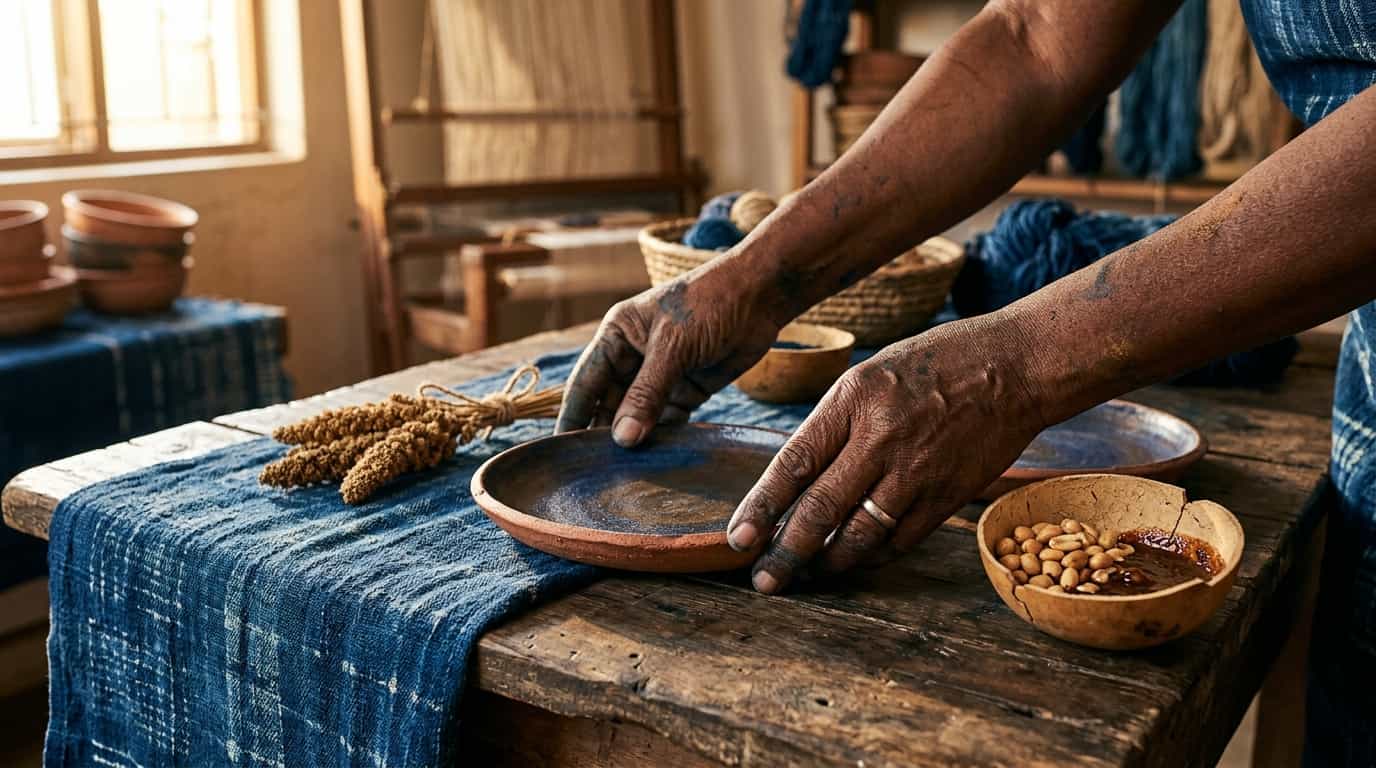
Then there is yassa, that dish of caramelized onions, lemon, and chicken or fish, whose apparent simplicity hides unsuspected depth. The magic happens in slowness: onions melting for hours, lemon permeating the meat, time doing its work. This same patience, this same faith in slow transformation, animates fashion designers working with bogolan, bazin, or wax, turning fabrics into narratives, into stories carried on the shoulder. In Dakar streets, style is never trivial: an embroidered boubou with gold thread tells of lineage, a wax dress with bold patterns asserts African modernity, a pair of artisanal sandals testifies to local craftsmanship. Fashion, like cuisine, is a language.
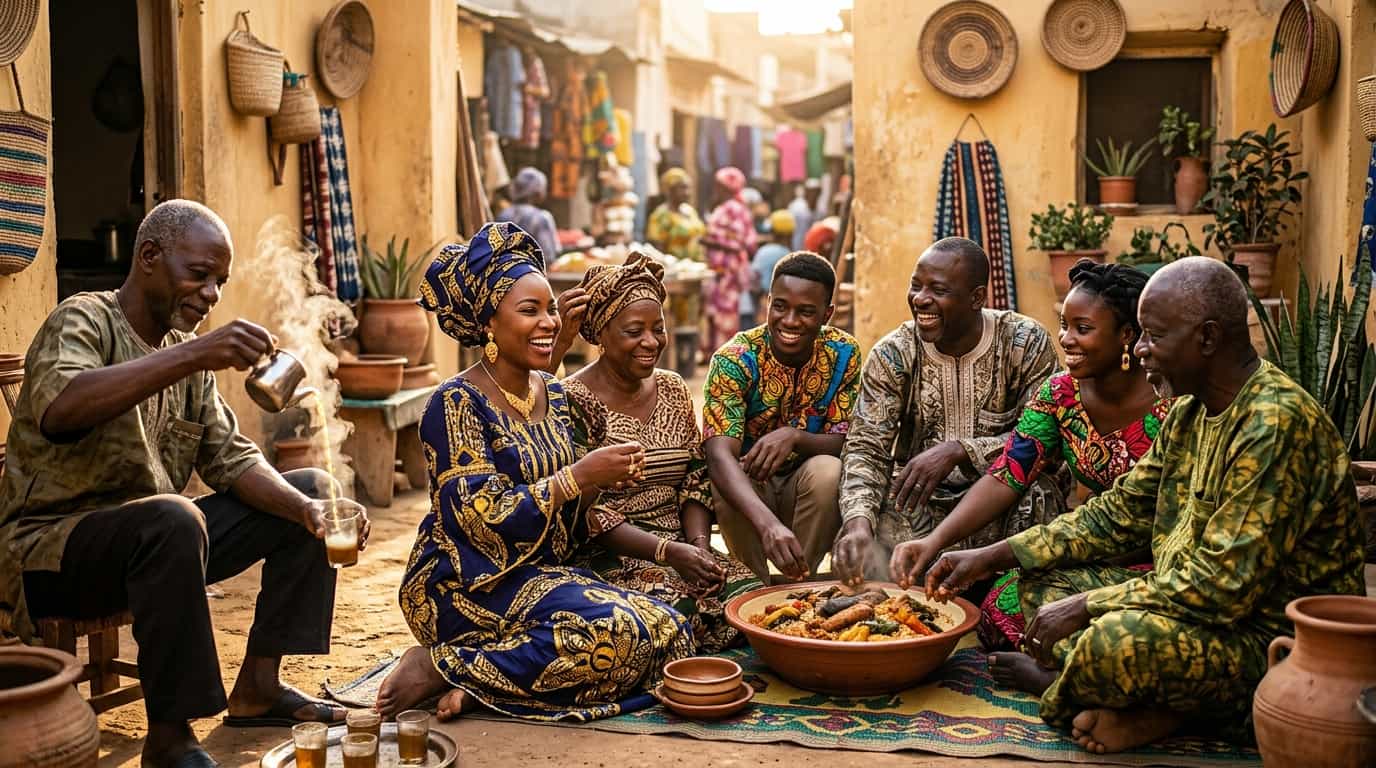
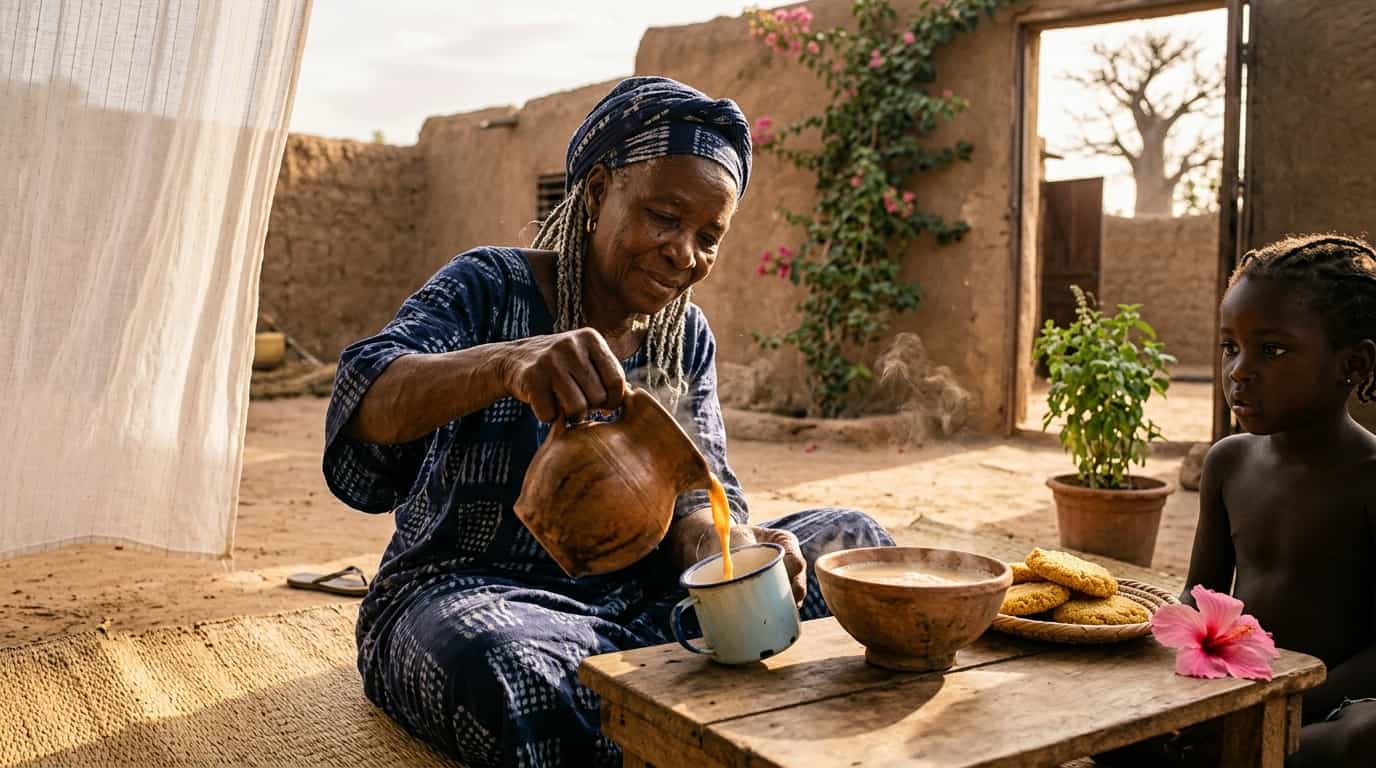
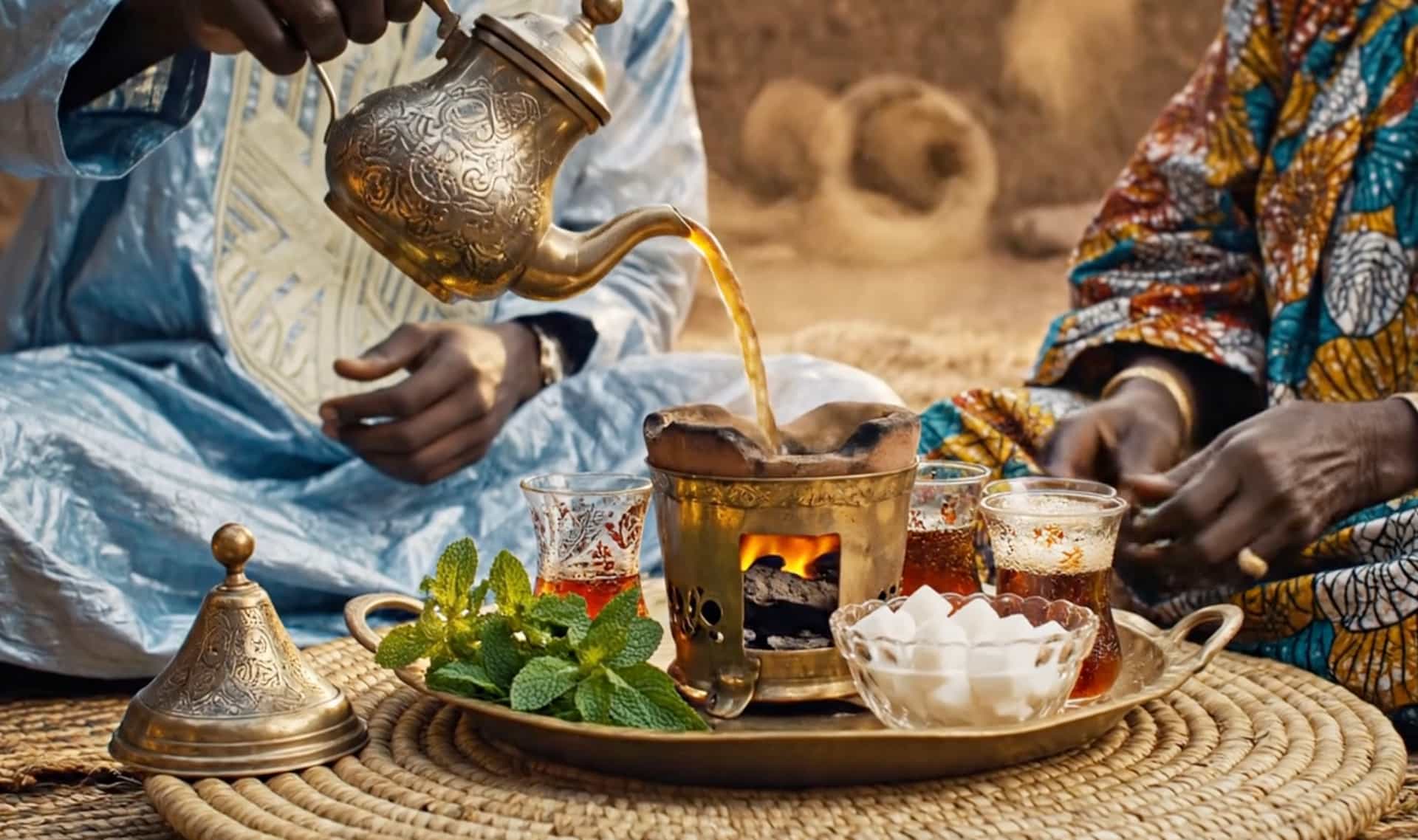
Attaya tea seals this philosophy. Prepared in three servings—the first strong like life, the second sweet like love, the third gentle like death—it gathers, soothes, creates connection. Around the teapot, conversations flow, laughter erupts, ideas are born. It is in these shared moments that community is woven, that recipes are exchanged like style advice, that traditions are passed down while inventing the future. Wax, incidentally, often follows the same path: bought at the market, cut and sewn by a neighborhood tailor, worn at a ceremony, it becomes the medium for collective memories and individual desires.
Ultimately, the Senegalese art of living reminds us that the boundary between food and fashion, between beauty and culture, is porous. Dressing, eating, adorning—all participate in the same quest: to fully inhabit one's body and identity, in constant dialogue between heritage and innovation. In Dakar, one does not eat merely to sustain, one does not dress merely to cover: with every bite, every fabric, one celebrates the richness of a culture that knows the beautiful and the good are two sides of the same coin, precious and vibrant.