Taste & Style
Sunulife · Tue, Mar 31, 2026 · 2 min read
The Senegalese Art of Living: Where Flavor Meets Fashion
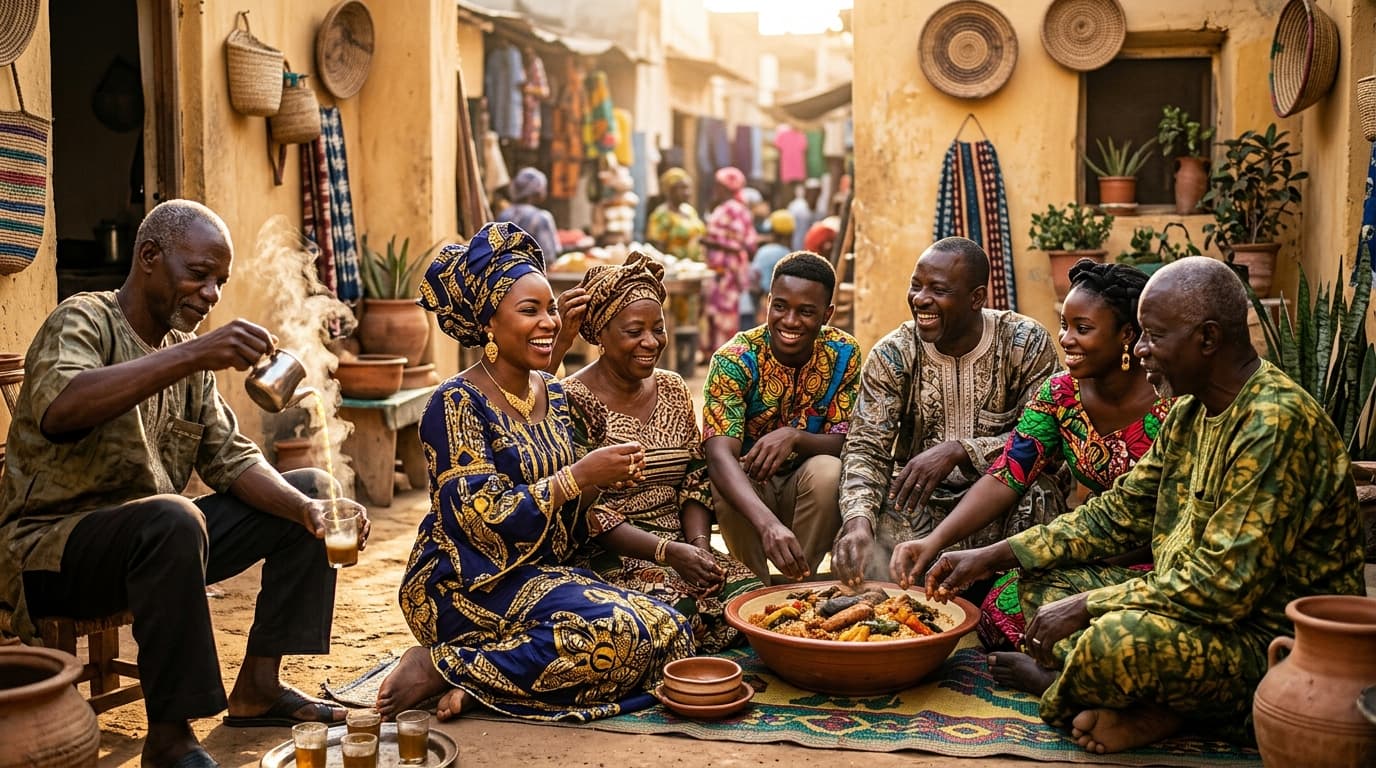
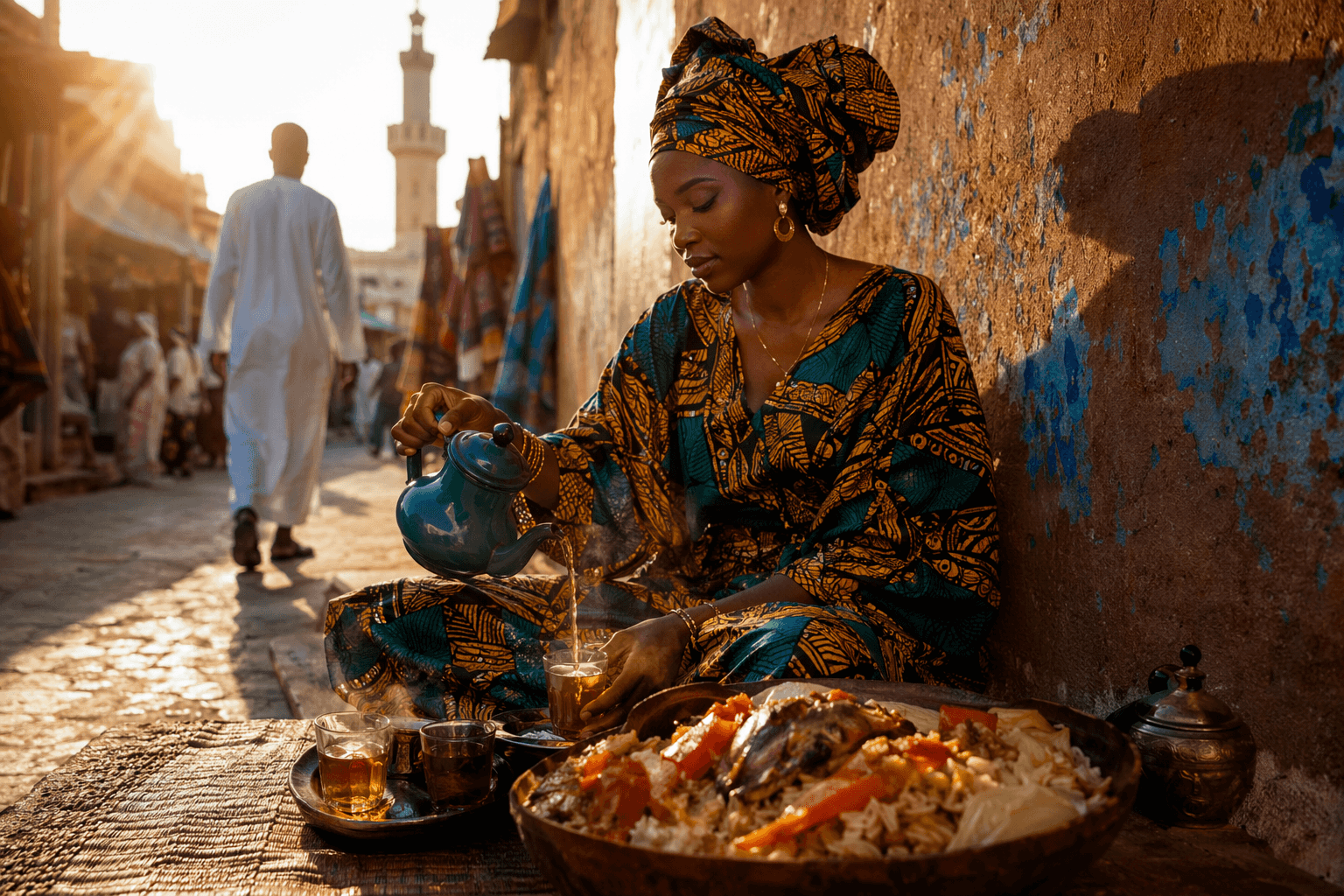
The Dakar sun warms the ochre walls of the Medina as a symphony of scents rises from the kitchens below. Here, gastronomy isn't merely about food—it's a ritual, a collective memory simmering in every pot. Consider thiéboudienne, the national dish whose preparation begins at dawn. The fresh fish from the Atlantic, the broken rice absorbing tomato-infused broth, the vegetables melting into tenderness—each ingredient tells the story of a people connected to sea and soil. The slow, patient cooking reminds us that precious things take time. Around the shared platter, hands reach, laughter erupts, and boundaries between diners dissolve. It's a democracy of taste where everyone finds their place. This same philosophy permeates Senegalese fashion, where clothing becomes an extension of identity. The boubou, with its sweeping folds and intricate embroidery, isn't merely a garment but mobile architecture. It breathes with the body, animates with movement, transforms the wearer into living art. Contemporary designers like those featured at the Dakar Biennale reinvent these ancestral codes. They marry Dutch wax—those vibrant patterned fabrics that crossed oceans only to return transformed—with bold cuts and silhouettes that dialogue with modernity while honoring their roots. On Plateau's streets, young stylists create outfits that speak: a dress cut from an ancient wrapper, a three-piece suit in rich bazin, accessories that snap like proverbs. Between these two worlds—the table and the m