Taste & Style

Sunulife · Tue, Jun 2, 2026 · 3min read

The Ritual of Ndambé: When Breakfast Becomes a Prayer
The Ritual of Ndambé: When Breakfast Becomes a Prayer
Favourite

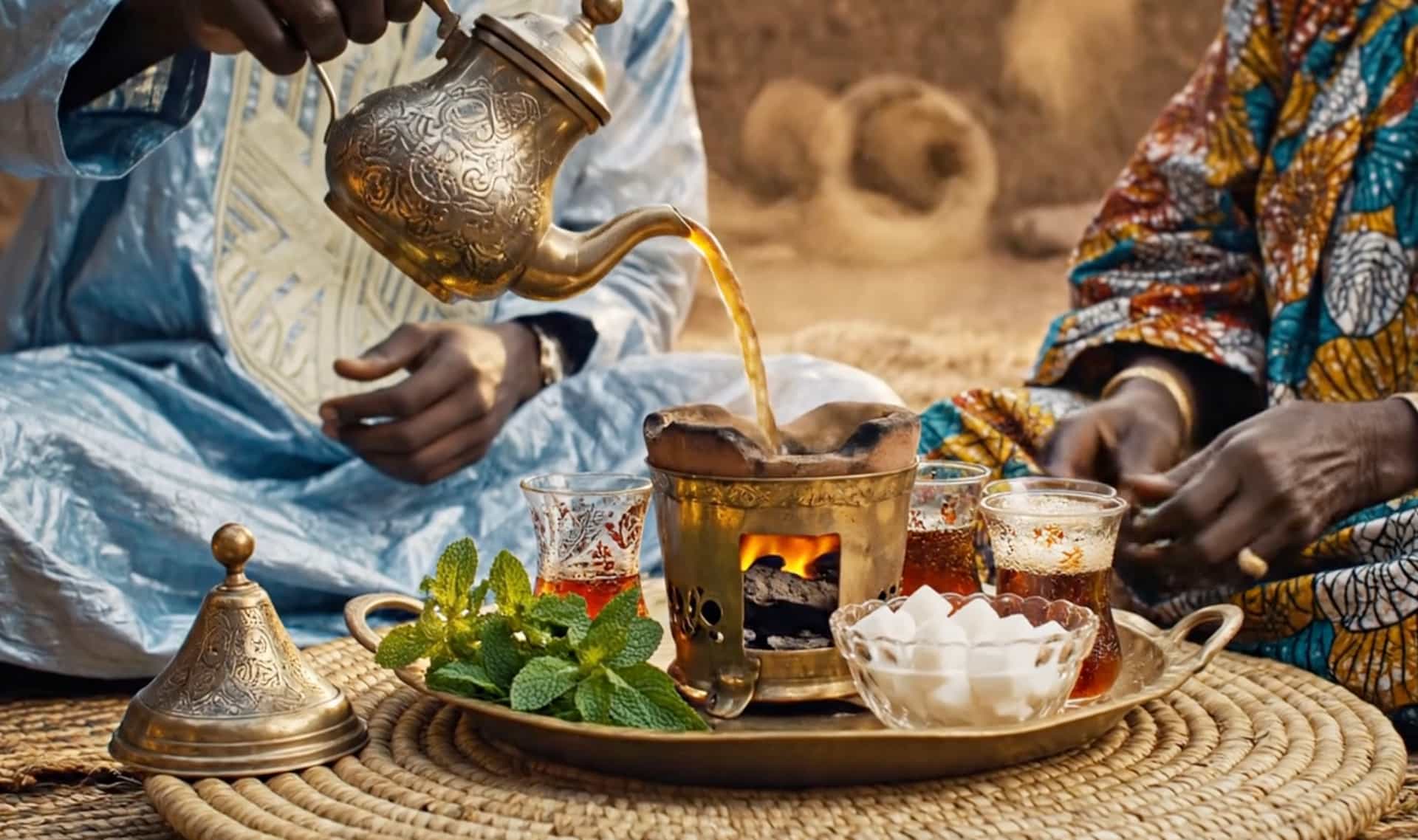
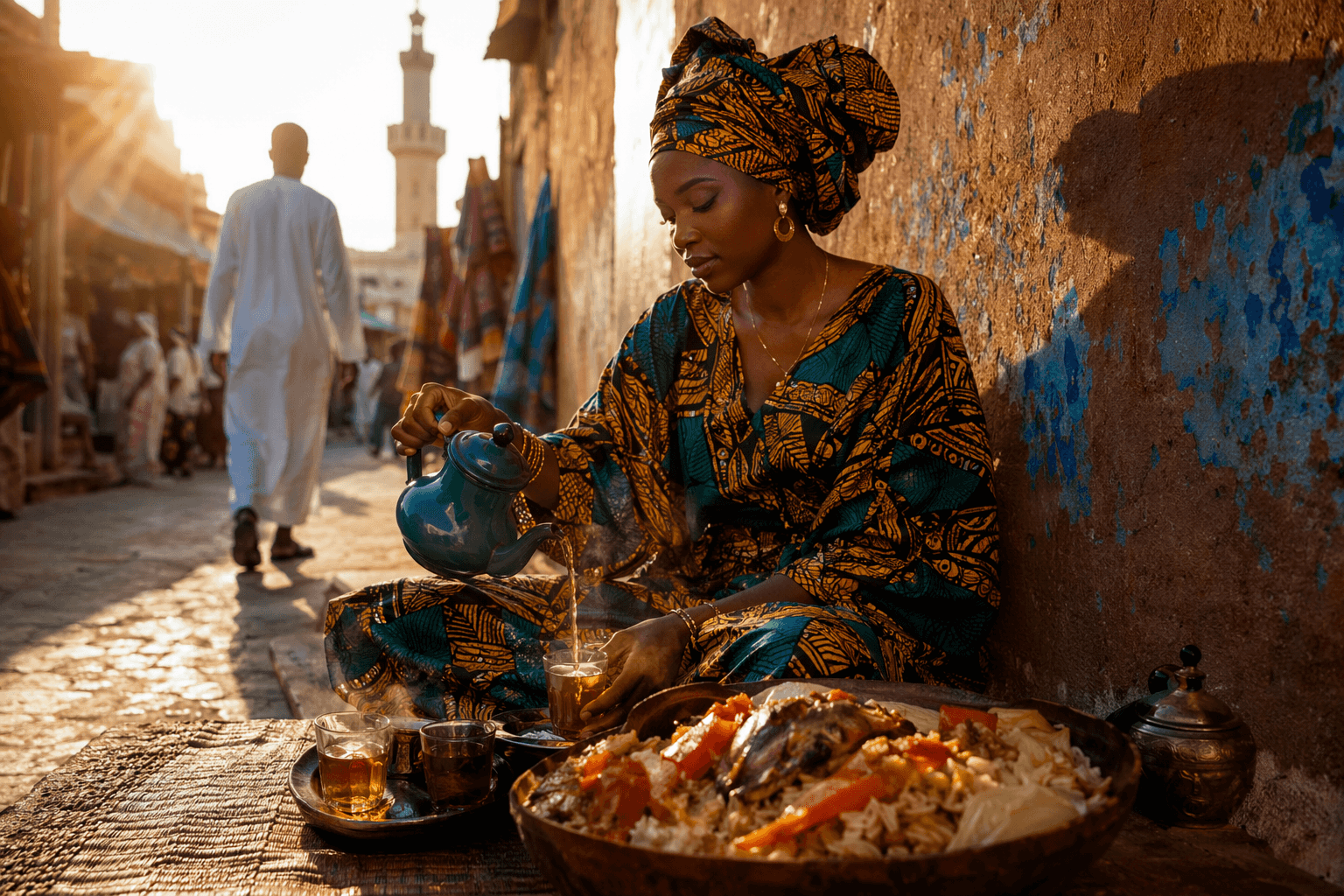
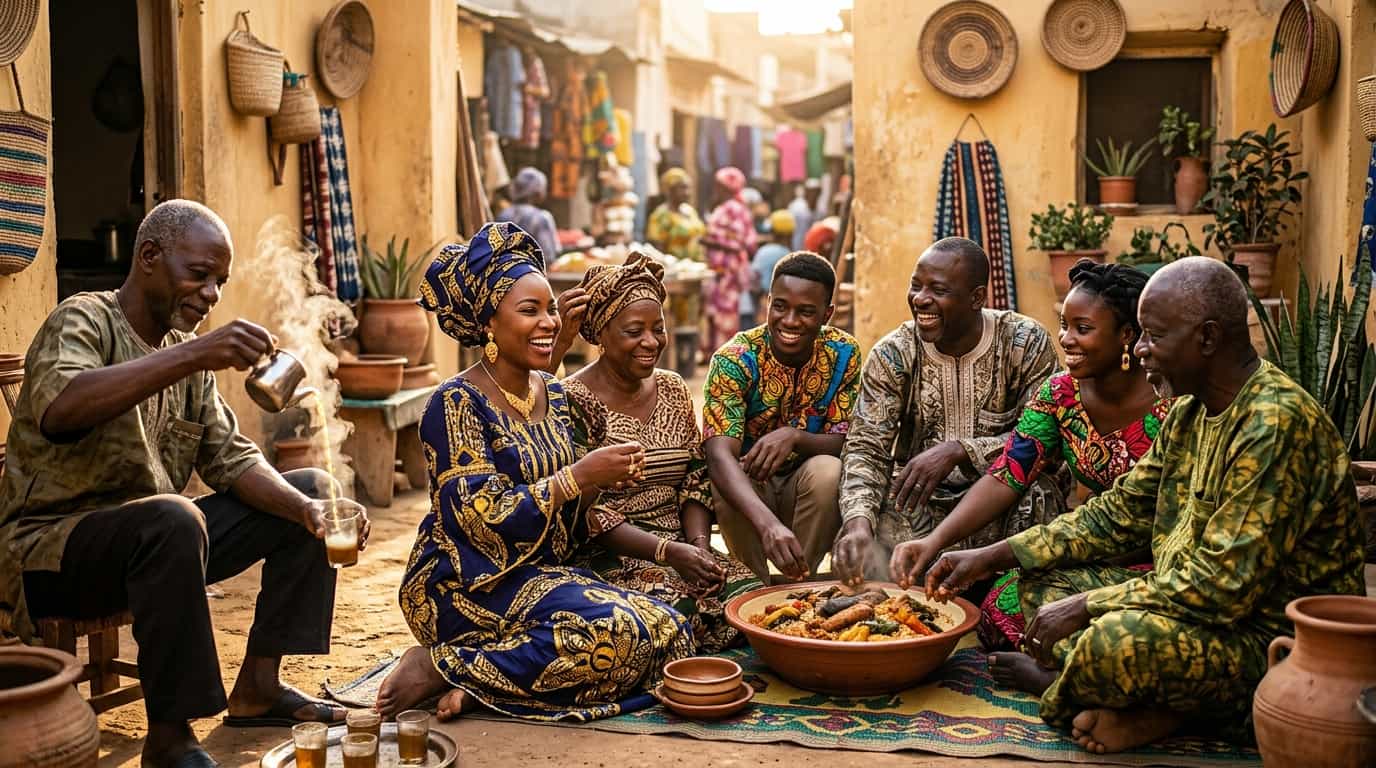
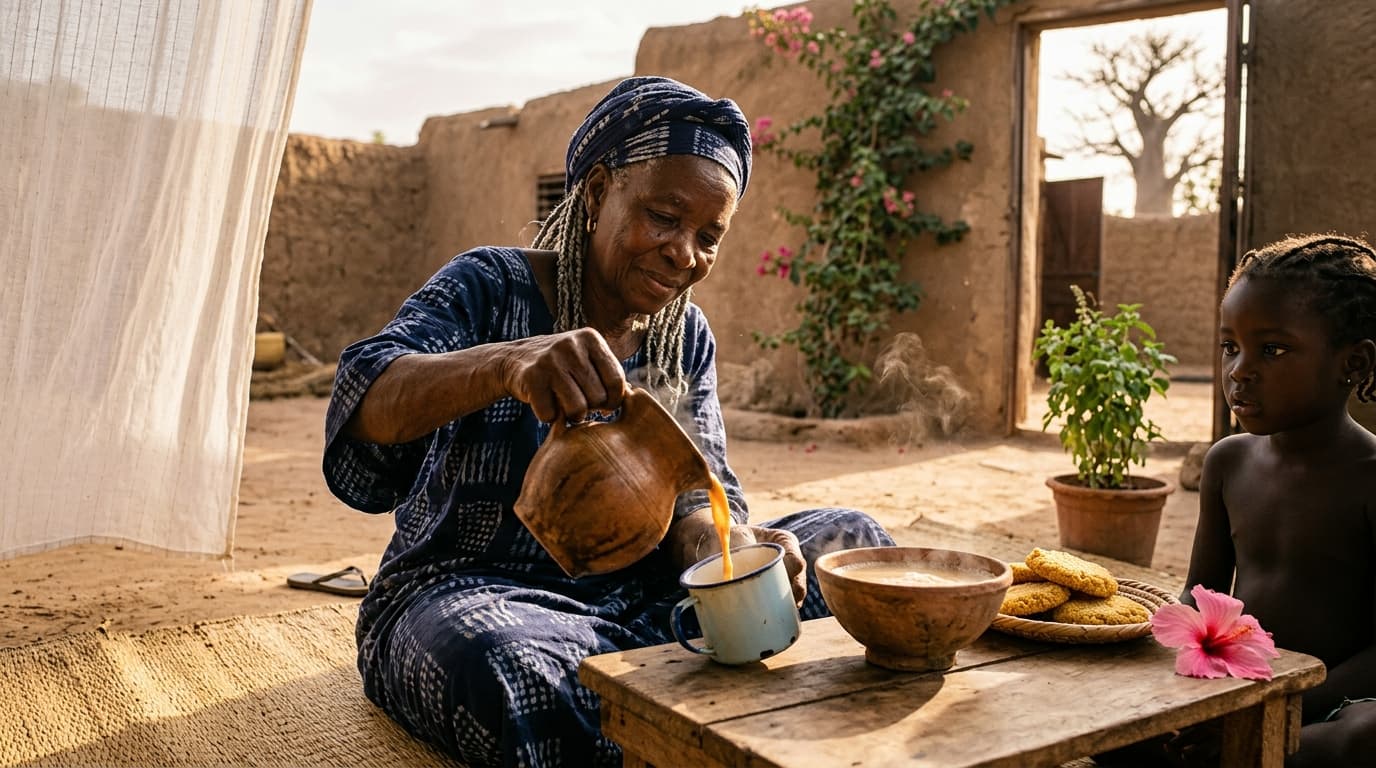
Dawn in Dakar has a particular texture. It is humid, laden with salt and iodine, but also with promise. Before the sun becomes a white ember, before the yellow-and-black taxis fill the air with their horns, there is a suspended moment. This is the time of ndambé. Ndambé is not merely coffee with milk. It is a declaration of love, an offering. In the cramped kitchens of Médina houses or in the shaded courtyards of Yoff, women – mothers, aunts, grandmothers – perpetuate an immemorial ritual. The coffee powder, often bought from the same vendor for decades, is mixed with sweetened condensed milk, but also with a secret: a pinch of freshly grated ginger, sometimes a hint of cinnamon, or that floral and peppery note of Guinea pepper. It is said that every family has its own recipe, jealously guarded, passed down like a jewel. The gesture is everything. The hand that pours the boiling liquid into the cup does not tremble. It does so in a high, almost aerial stream, to create a light, fragrant foam. It is a spectacle in itself. Ndambé is drunk from small white porcelain cups, often adorned with gold patterns or delicate flowers. It is sipped slowly, in small sips, letting the hot, sweet mixture envelop the tongue. It is not uncommon to dip a beignet – the famous Senegalese doughnut, soft and golden, or the denser, more substantial thiéré. But ndambé is much more than a drink. It is a moment of connection. In a society where speed and efficiency are gaining ground, this morning ritual is a gentle resistance. It forces one to sit down, to share a silence or a light conversation. Neighborhood news, dreams of the night, plans for the day – everything is discussed over a cup of ndambé. It is an act of radical hospitality: offering ndambé to a visitor is inviting them into the intimacy of the home, to share not only a drink but a moment of life. This ritual evokes an ancient wisdom, that of yewoul – the time of dawn, considered the purest moment, most conducive to prayers and good intentions. Drinking ndambé is a way of blessing the day that begins. It seals a silent pact with time and with one's own. Yet, ndambé is threatened. The new generations, in a hurry, gulp down a cold instant coffee or an industrial tea. Espresso machines are appearing in affluent homes. But in working-class neighborhoods, in the little eateries that serve breakfast at the crack of dawn, ndambé still reigns supreme. It is a symbol of cultural resistance, a reminder that modernity does not have to erase the gestures that define us. The taste of ndambé is a taste of childhood for many Senegalese – a taste of security, warmth, unconditional love. It is also a gateway into the Senegalese soul for the curious traveler. For to understand ndambé is to understand that food, here, is never trivial. It is always charged with meaning, memory, and attention. So, when you are in Dakar, do not miss this ritual. Wake up early, find a small stall where the lady prepares her ndambé with care. Watch her pour the milk in a perfect arc. Smell the scent of ginger and coffee mingling with the sea air. Drink slowly. Let the warmth wash over you. And understand that you are not just having breakfast. You are participating in a collective prayer, silent and powerful, that has united Senegalese for centuries.