Sunulife · Fri, Feb 20, 2026 · 4 min read
What Should We Understand About Arranged Romantic Encounters?
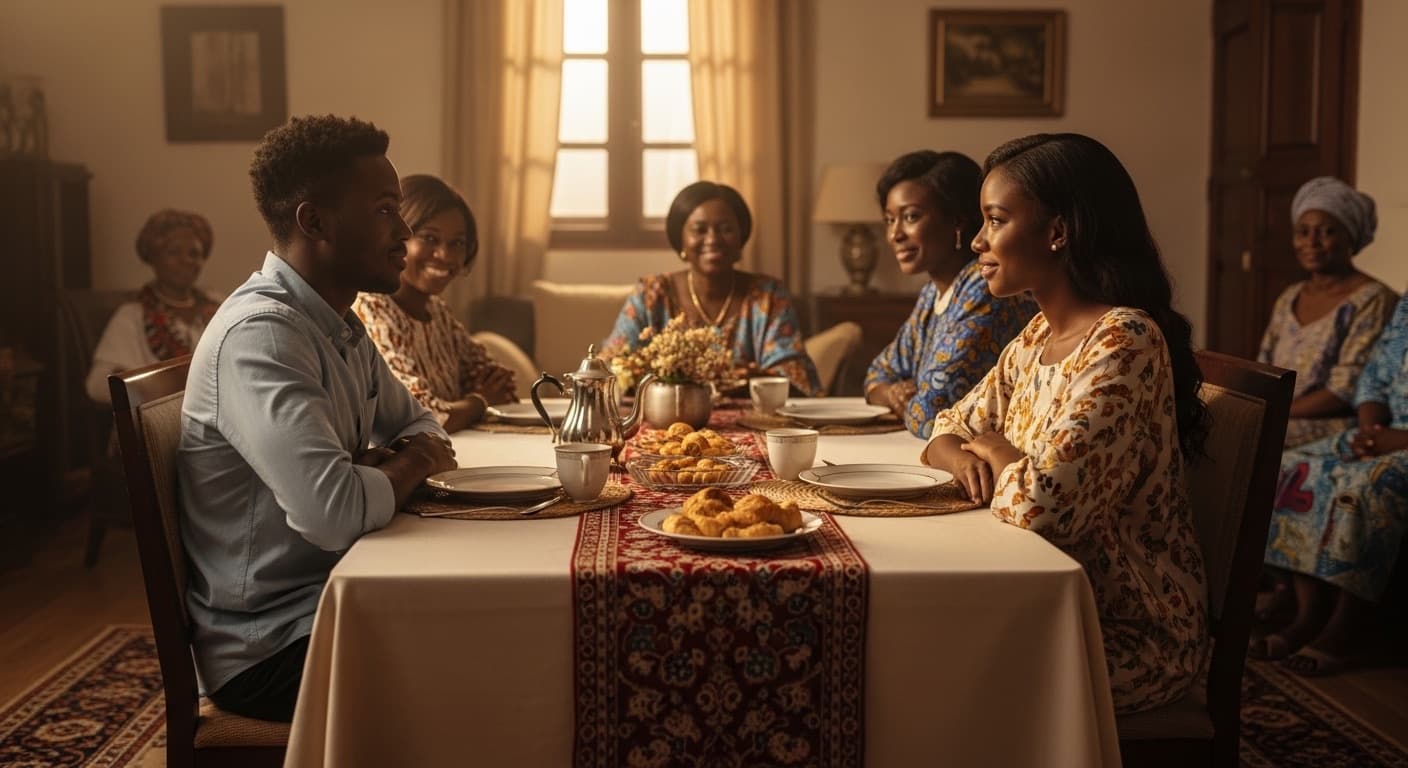
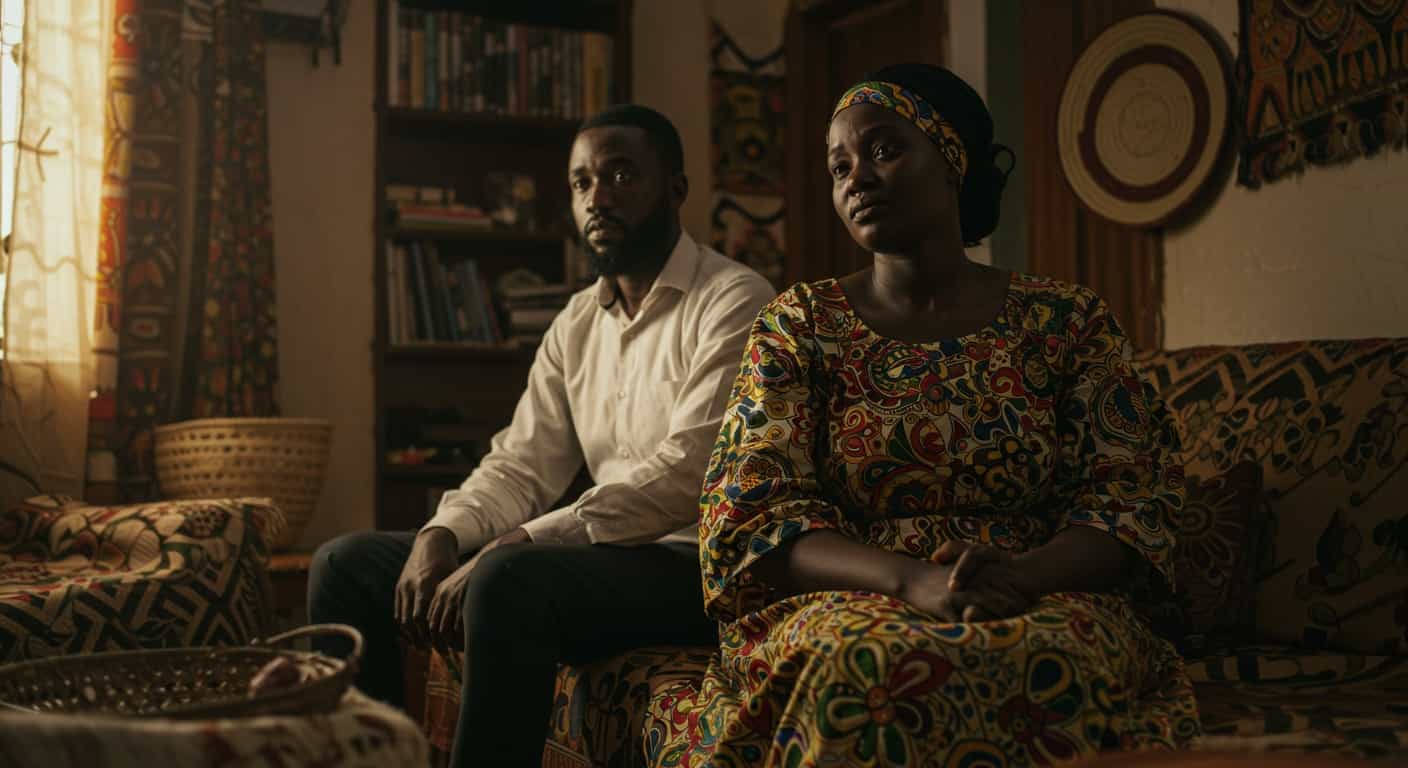
Arranged romantic encounters (or 'facilitated introductions') constitute an ancient and persistent social practice, which differs radically from the individual approaches dominant in modern Western societies (such as dating apps). They are based on the idea that one's close social circle—family, friends, sometimes colleagues—is better positioned to identify a compatible partner, drawing on an in-depth knowledge of the person and shared criteria (values, social background, life goals). The classic mechanism of arranged encounters In many cultures (and still today in certain communities or family contexts), it is often mothers, sisters, aunts, or close friends who take the initiative. They mobilize their network: neighbors, cousins, family friends, trusted acquaintances. The goal is to organize a 'natural' or semi-formal meeting where the man (or woman) to be married is present, without it appearing too forced. It is a form of benevolent intervention: when a loved one seems unable—due to shyness, high demands, lack of opportunities, or simply inertia—to find 'the soulmate' on their own, the social circle steps in to 'help fate along'. The encounter itself generally takes place in a convivial and relaxed setting: a family meal, a visit to mutual friends, a group outing. The potential couple discusses general topics (family, work, hobbies, life visions), discovers each other, and assesses emotional, intellectual, and practical compatibility. The outcome depends entirely on the chemistry felt: if the rapport is good, the relationship can evolve into subsequent dates, engagement, and then marriage. In case of no feeling or obvious incompatibility, one moves on to another proposal without major drama—other encounters will be organized. When friends get involved Friends, often of the same age, adopt a slightly different approach: they look for a person whose personality traits, interests, or lifestyle closely match those of their single friend. Convinced they have found 'the rare gem,' they sometimes organize a meeting with a certain implicit pressure ('You'll see, she/he is perfect for you'). Paradoxically, these encounters frequently lead to disappointment: prior idealization creates very high expectations, and the slightest mismatch (even minor) is perceived as a deal-breaker. The pitfalls of rigid expectations and hasty judgments The person 'to be married' often arrives with a precise and sometimes unrealistic mental checklist: physical beauty, gentleness, kindness, understanding, intelligence, humor, etc.—all to be confirmed in a single evening. If the person met does not immediately tick all the boxes (or if they appear slightly different from the fantasized image), the verdict comes quickly: 'It's not her/him.' The matrimonial project remains on hold, awaiting the next ideal candidate. This mechanism partly explains why some arranged encounters fail: expectations are oversized and the observation time too short to allow for gradual discovery. Sociological observations on gendered rejections Studies and observations (particularly in contexts where introductions by the social circle remain common) show gendered trends in rejections: Women most often dismissed are those who show themselves to be assertive, independent, who take initiative and freely express their opinions. They may be perceived as 'too strong' or threatening to some men seeking a more traditional or compliant partner. Men who meet with the least success are often those who appear shy, hesitant, lacking confidence or initiative. These patterns reflect expectations still rooted in traditional gender roles, even though things are gradually evolving. The strengths and real successes of arranged encounters Despite these limitations, this method should not be dismissed outright. It has produced—and still produces—many solid and lasting marriages for centuries. In some cultures where arranged (or semi-arranged) marriages dominate, divorce rates are often significantly lower than in purely 'romantic love' unions (for example, around 5-10% versus 40-50% in some Western countries). Why? Because these unions are often based on: - shared values and social background from the start, - a strong commitment (supported by the family), - a realistic vision of the couple (mutual work rather than initial passionate fusion), - less pressure on the immediate 'spark' and more on long-term compatibility. In summary, arranged encounters are neither an archaic relic nor a miracle solution. They embody a form of collective intelligence in the face of the complexity of romantic choice: the social circle provides a benevolent filter, objectivity, and contextualization that the individual alone does not always have. But their success largely depends on the flexibility of expectations, respect for individual freedom, and the ability to let time do its work. In a world where dating apps dominate, this approach reminds us that love can also arise from a thoughtful introduction rather than an impulsive swipe.