Society

Sunulife · Sat, Jan 18, 2025 · 4min read

Is Beauty Truly Inner? A Reflection on the Harmony Between Appearance and Personality
Is Beauty Truly Inner? A Reflection on the Harmony Between Appearance and Personality
Favourite

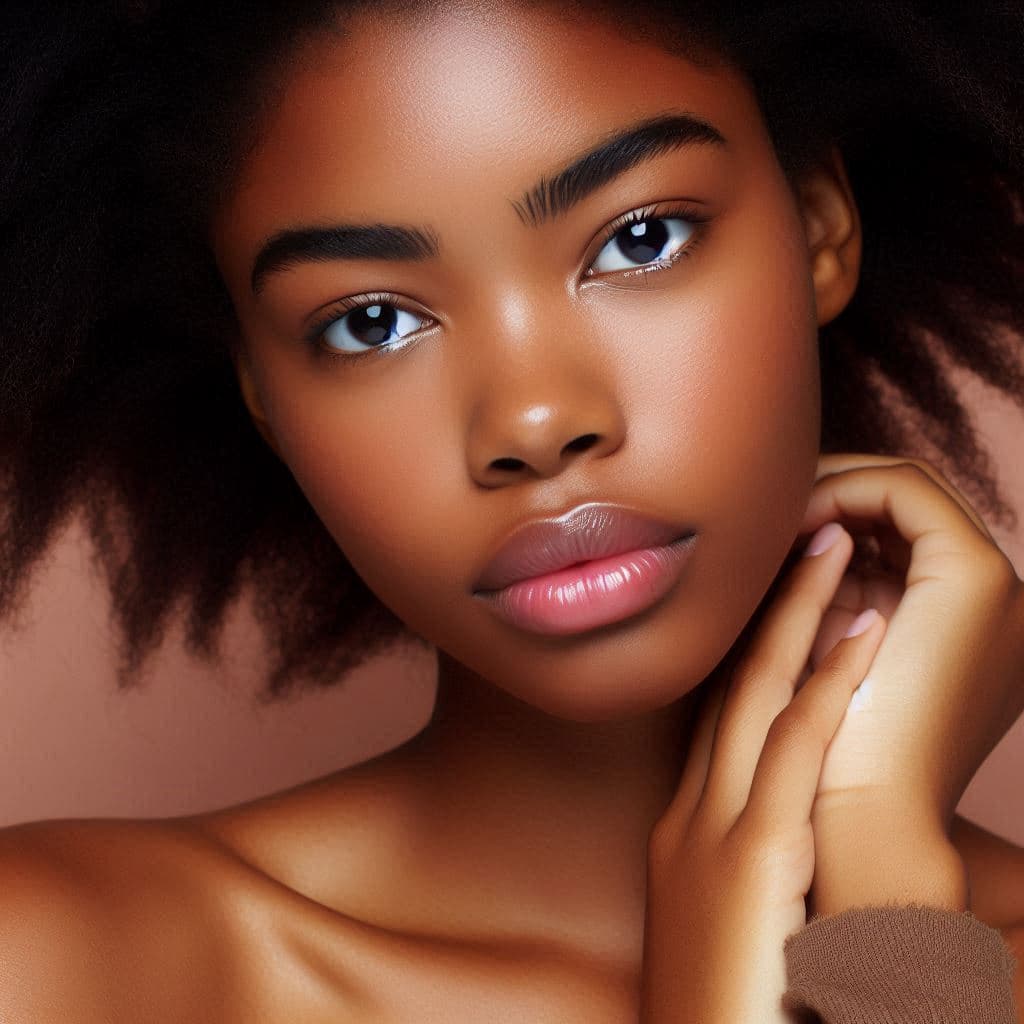
Beauty, whether inner or outer, has always been a fascinating topic of debate. While some argue that physical appearance is paramount, others believe that true beauty lies in one’s personality and values. But what is the reality? Is beauty a matter of looks, charisma, or simply a social construct?

Outer Beauty vs. Inner Beauty: An Age-Old Debate

The famous saying, “Beauty is in the eye of the beholder,” highlights the subjectivity of this concept. Yet, in modern societies, outer beauty is often placed on a pedestal, influenced by media, fashion, and social standards. Ahmed, a young man interviewed on the topic, admits: “It’s true that people often say inner beauty is more valuable, but in reality, we tend to prefer those who are outwardly beautiful.” This statement reflects a tangible reality: although inner beauty is praised, it is often physical appearance that attracts first. However, this preference for outer beauty raises an essential question: is it lasting?

Beauty According to Mystical Sciences and Philosophy

According to mystical sciences, human beauty is a harmonious ensemble where the outer reflects the inner. When a person’s inner serenity manifests in their appearance, they are perceived as truly beautiful. This perspective suggests that inner beauty is the foundation of outer beauty. In other words, a person at peace with themselves radiates, and this radiance translates into an attractive appearance. This idea aligns with ancient philosophy, where thinkers like Plato associated beauty with virtue and wisdom. For them, beauty was not merely about aesthetics but also about morality and inner balance.

Outer Beauty: Fleeting and Subjective

Khadija, a woman interviewed during a discussion on the topic, shares her perspective: “Outer beauty is not permanent; it fades with age, while inner beauty endures.” This observation highlights a crucial aspect: physical beauty is ephemeral. Over time, features change, but inner qualities like kindness, intelligence, and generosity endure. Moreover, outer beauty is deeply subjective. What is considered beautiful in one culture may not be in another. For example, beauty standards vary significantly across countries and eras. On the other hand, qualities like empathy, humor, or sincerity are universally appreciated.

Beauty in Romantic Relationships

In the context of romantic relationships, the question of beauty takes on a particular dimension. At the beginning of a relationship, physical attraction often plays an important role. However, for a relationship to endure, deeper elements come into play: mutual understanding, respect, communication, and shared values. Khadija adds: “Ultimately, beauty is very subjective. Tastes and colors cannot be debated. There are men who have charisma and charm and are attractive, even if they aren’t considered ‘handsome.’” This observation underscores the importance of charisma and personality in attraction. A person may not conform to traditional beauty standards, but their charm and intelligence make them irresistible.

Outer Beauty: A Model or an Illusion?

It is undeniable that outer beauty can serve as a model, particularly in fields like fashion, cinema, or media. However, these models are often fleeting and can create unrealistic expectations. On the other hand, individuals who embody inner beauty through their actions and values become inspiring examples for those around them. As the saying goes: “Women who possess outer beauty serve as models, while those who possess only inner beauty serve as examples.” This quote perfectly encapsulates the idea that inner beauty has a deeper and more lasting impact than outer beauty.

Conclusion: The Balance Between Inner and Outer Beauty

Ultimately, beauty is not a choice between inner and outer qualities. It is a combination of both. A person who cultivates both their inner beauty and outer appearance is often perceived as harmonious and balanced. However, if one had to choose, it is clear that inner beauty has a more profound and lasting impact on our relationships and well-being. So, is beauty truly inner? The answer is yes, but it should not exclude the importance of taking care of oneself, both physically and morally. After all, true beauty lies in the balance between the soul and the body.