
Society
Men Facing Abuse from Women, a Hidden Reality in Senegal
In Senegal, some men face hidden domestic abuse, mainly psychological, from women. Cultural taboos and shame keep them silent, but addressing this requires safe spaces and community dialogue to break the stigma.
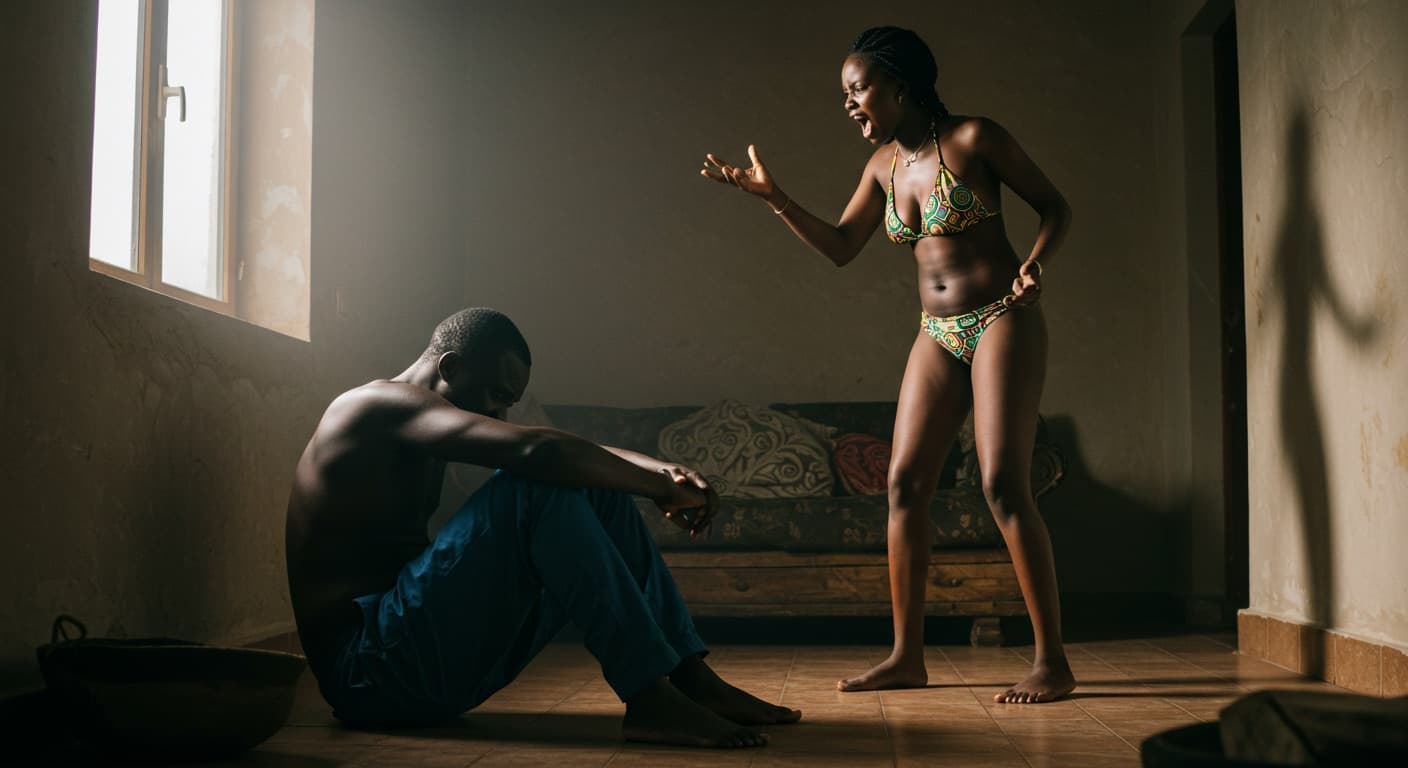
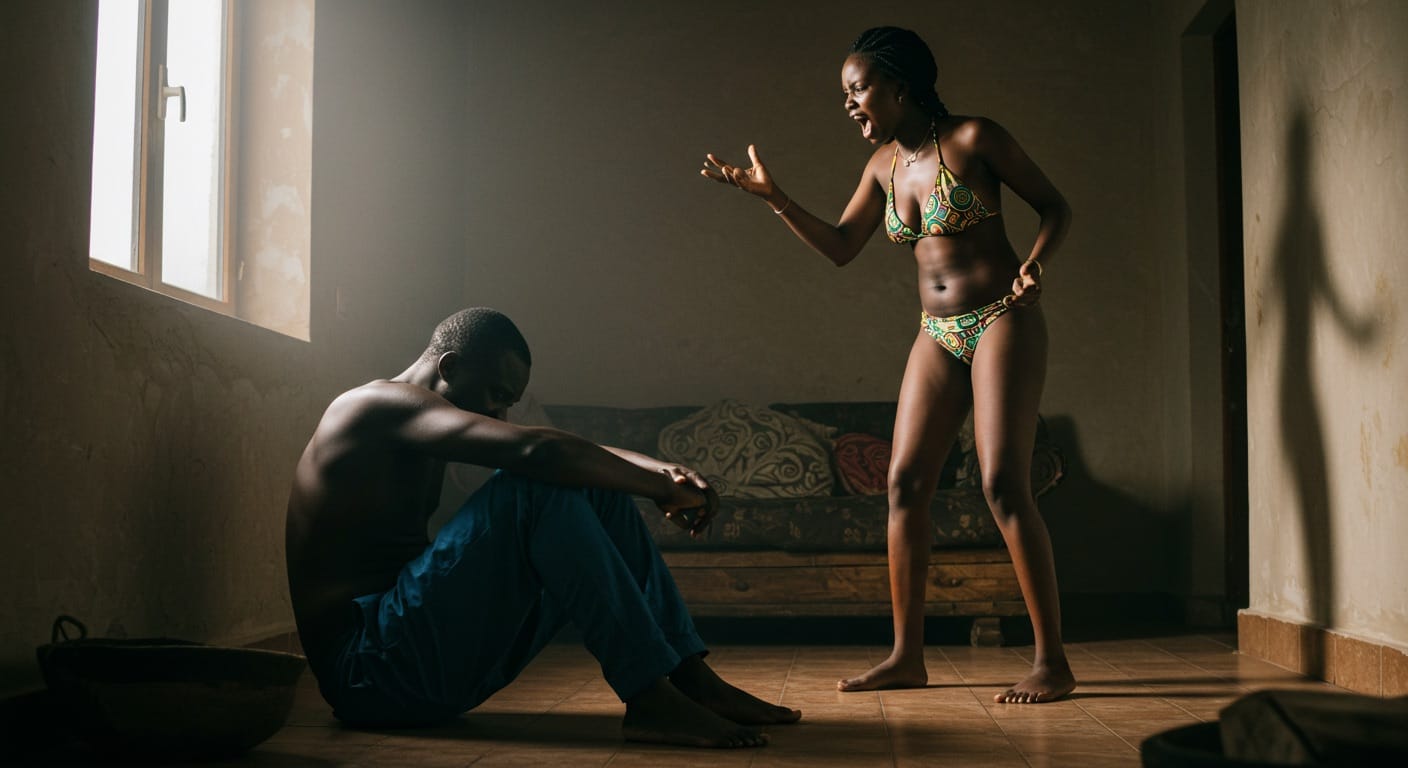
In the sunlit savannas of Senegal, where baobab trees stand as timeless guardians and griots weave ancestral tales under the starlit sky, a hidden issue lingers in the shadows: men who are victims of domestic abuse. Though far less common than violence against women, this phenomenon exists, and behind each case lies a profound human and familial tragedy. In Senegal, where the family is the heartbeat of society and men are often seen as the pillars of the household, the notion of men enduring abuse, particularly from their wives, is almost unthinkable. Yet, this taboo reality demands exploration with empathy to understand the invisible wounds it inflicts.
A Taboo in Senegalese Society
In Senegal, the idea of men being abused elicits disbelief from both men and women. In a culture where men are traditionally viewed as protectors, guiding their families under the palaver tree or in the millet fields, admitting that a man could be a victim of violence, especially from his spouse, challenges deeply ingrained social norms. This topic is rarely discussed, scarcely documented, and often buried under layers of shame and cultural expectations. Though cases of abused men are fewer than those of abused women, each story represents a silenced cry, a drama that shakes not only the individual but also the fabric of family and community. From the bustling streets of Dakar to the quiet villages of the Fouta, these men suffer in silence, trapped by societal expectations.
The Nature of the Violence: A Subtle Venom
While physical violence occurs, psychological abuse is the predominant form of violence perpetrated by some women in Senegal. This violence, subtle and insidious, is often seen as distinctly feminine, leaving no visible scars but eroding a man’s mental and emotional well-being like water wearing down the stones of the Senegal River. It manifests through sharp words, heavy silences, and calculated gestures that undermine the roles a man holds in his family, work, and community—roles that define his identity.
The abusive woman often operates as a “passive aggressor.” She does not lash out with physical blows or destroy possessions but wields restraint and refusal as weapons. She may deny her husband physical affection, using the absence of intimacy to destabilize him. “She doesn’t break my things, but she knows how to control me,” shares a man from Thiès. “If I do what she wants, she cooks a delicious thieboudienne. If I don’t, I get a cold plate—or nothing at all.” This subtle manipulation, woven into the daily routines of the household, becomes a tool of power, exploiting cultural expectations around a woman’s role as a nurturer.
Forms of Psychological Abuse
Psychological abuse by some women in Senegal takes various forms, all aimed at reducing a man to a shadow of himself:
Dependency and Isolation: The woman may foster complete dependence, stripping her husband of autonomy. In Kaolack or Saint-Louis, she might criticize his decisions or cut him off from friends and extended family, isolating the couple to maintain control. This isolation shields the abusive dynamic while dismantling the man’s social life, relegating him to a peripheral role in his own community.
Professional Undermining: She may interfere in her husband’s professional life, belittling his skills or ambitions. A bank employee in Dakar might find his wife mocking his efforts in front of colleagues, or a trader in Touba might face her refusal to support him during stressful times, undermining his credibility. This erosion of confidence and public image is particularly damaging in a society where honor is paramount.
Control of Intimacy: In the private sphere, abuse manifests through strict control of sexual relations. The woman may dictate when intimacy occurs or withhold it entirely, turning it into a tool of punishment or obligation. This systematic refusal undermines the man’s role as a partner, deepening his sense of powerlessness.
Undermining Fatherhood: The woman may diminish the man’s role as a father by limiting his time with his children. In a Saloum village, she might exclude him from shared family meals around the communal dish, cutting him off from the sacred family circle. She may also criticize his parenting in front of the children, eroding his authority and bond with them.
Community Manipulation: In a society where reputation is everything, an abusive woman may spread subtle rumors in the village or neighborhood, hinting that her husband is weak or incompetent. These whispers, carried like the breeze through the markets of Ziguinchor, damage a man’s standing without giving him a chance to defend himself directly.
Why Do Men Stay?
The reasons men in Senegal endure this abuse are complex, rooted in economic, social, and cultural realities:
Economic Dependence: In an unstable job market, some men rely on their wife’s income or resources, especially in urban areas like Dakar, where the cost of living is high. Leaving the household could mean losing their livelihood, particularly if they lack support from extended family.
Protecting the Children: Like elsewhere, men often stay for their children. In Senegal, where mothers are frequently granted primary custody after a divorce, men fear losing contact with their children if they leave. The deep cultural value placed on fatherhood keeps them tethered, despite the abuse.
Fear of Retaliation: Men who face repeated abuse restrain themselves, fearing that any physical reaction could backfire. In a country where complaints of physical violence can be swiftly filed, a man risks being falsely accused if he defends himself physically. This fear forces them to endure in silence, suppressing their emotions to avoid escalation.
Shame and Cultural Expectations: Shame is the underlying thread of their silence. In Senegalese society, where a man is expected to be the “borom keur” (master of the household), admitting to being a victim of abuse is a blow to his identity. Sharing his pain risks ridicule or judgment from peers, especially in a village where laughter under the palaver tree can turn cruel. Many men downplay their suffering, dismissing it as a temporary weakness to preserve their dignity.
Breaking the Silence in Senegal
Addressing the issue of men facing abuse in Senegal requires a nuanced approach that respects cultural dynamics while challenging taboos. Senegal’s culture of solidarity and dialogue offers opportunities to address this issue. Griots, as keepers of stories, could weave these narratives into their tales, giving voice to silenced men. Mosques and community associations, central to Senegalese life, could provide safe spaces for men to discuss psychological abuse without judgment. Awareness campaigns, rooted in the realities of Sandaga’s markets or Fouta’s villages, could encourage men to speak out while educating women on the impact of their actions.
The challenge, however, is significant. Psychological abuse, by its invisible nature, is hard to prove, especially in a context where physical marks are often seen as the sole evidence of maltreatment. Men need access to shelters, trained counselors, and a judicial system that acknowledges their pain without stigmatization. In a society where extended family plays a vital role, involving elders and community leaders could facilitate mediation, offering an alternative to silence or escape.
A Shared Humanity in Pain
Men facing abuse in Senegal, though few in number, bear wounds as deep as those of abused women. Their suffering, hidden behind the veil of shame and cultural expectations, reminds us that domestic violence spares no gender. Each man enduring this abuse is a father, a brother, a son, whose pain reverberates through the family and beyond. By acknowledging their reality and offering them judgment-free support, Senegalese society can strengthen its commitment to justice and compassion, echoing the wisdom of the elders: “A baobab does not fall alone; it brings the forest with it.” Breaking the silence on abused men protects not only these individuals but also the harmony of the household and the community.
