
Society
Sunulife · Sun, Apr 19, 2026 · 2 min read
The Silences That Speak: When Senegalese Youth Reinvent Balance
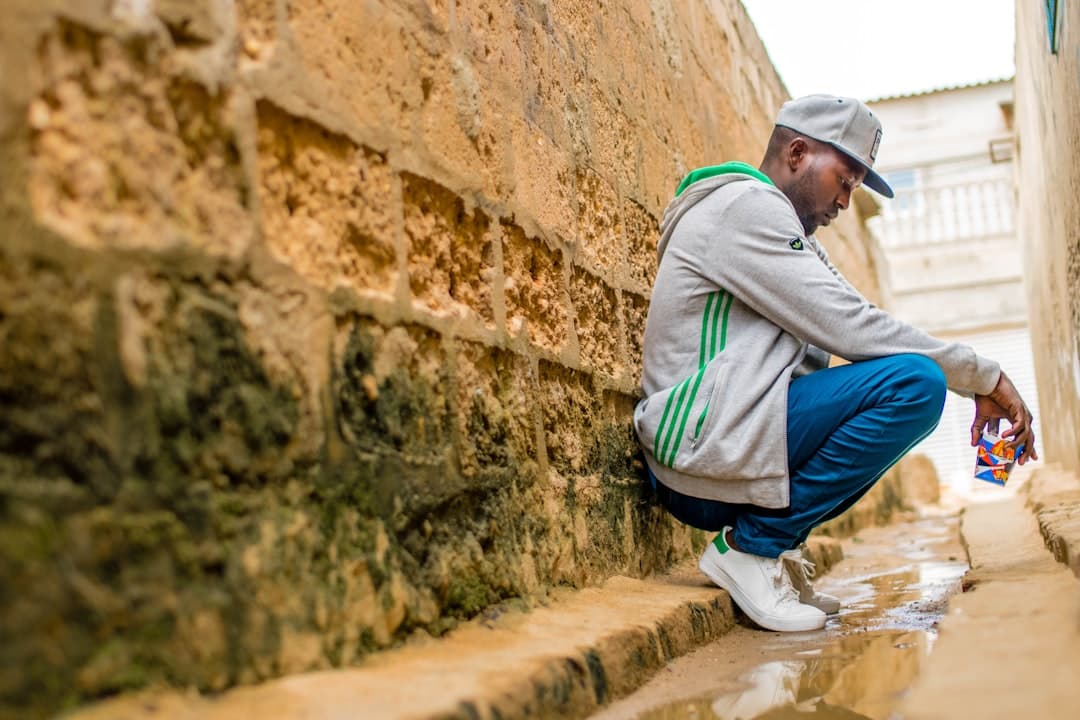
In Dakar, dawn breaks to two distinct rhythms. The first is ancient, almost geological: the call to prayer cutting through the humid air, the first footsteps toward mosques and churches, the murmur of generations repeating centuries-old gestures. The second is digital, nervous: notifications vibrating on phones placed beside prayer mats, screens lighting up in bedroom shadows, the entire world entering through virtual windows. Between these two temporalities, Senegalese youth move with a grace that masks profound inner tension. This isn't an open war between tradition and modernity. The young people we met in the neighborhoods of Ouakam, Grand-Yoff, and Medina don't speak in terms of rupture. They speak of balance, adaptation, silent dialogue with what came before them. Awa, a twenty-three-year-old computer science student, explains: "When my mother asks why I'm not married yet, I don't tell her marriage isn't my priority. I talk about my startup project, about how I want to be financially independent before starting a family. It's the same value—responsibility—but expressed differently." This reinterpretation of values permeates every domain of social life. The family, that unquestionable pillar of Senegalese society, transforms without breaking. Young people often continue living with parents until marriage, but negotiations about intimacy, personal projects, and career choices have become more explicit. "Before, we obeyed. Now, we explain," observes Mamadou, thirty, who de