
Society

A Confession from the Shadows: Moussa’s Desperate Dream to Disappear

A Senegalese migrant in Paris considers faking his death to escape immense family pressure and financial demands, including spiritual coercion from a marabout, highlighting the hidden suffering of migrants trapped between duty and personal survival.
SunulifeMon, Jul 14, 20258min read
A Confession from the Shadows: Moussa’s Desperate Dream to Disappear
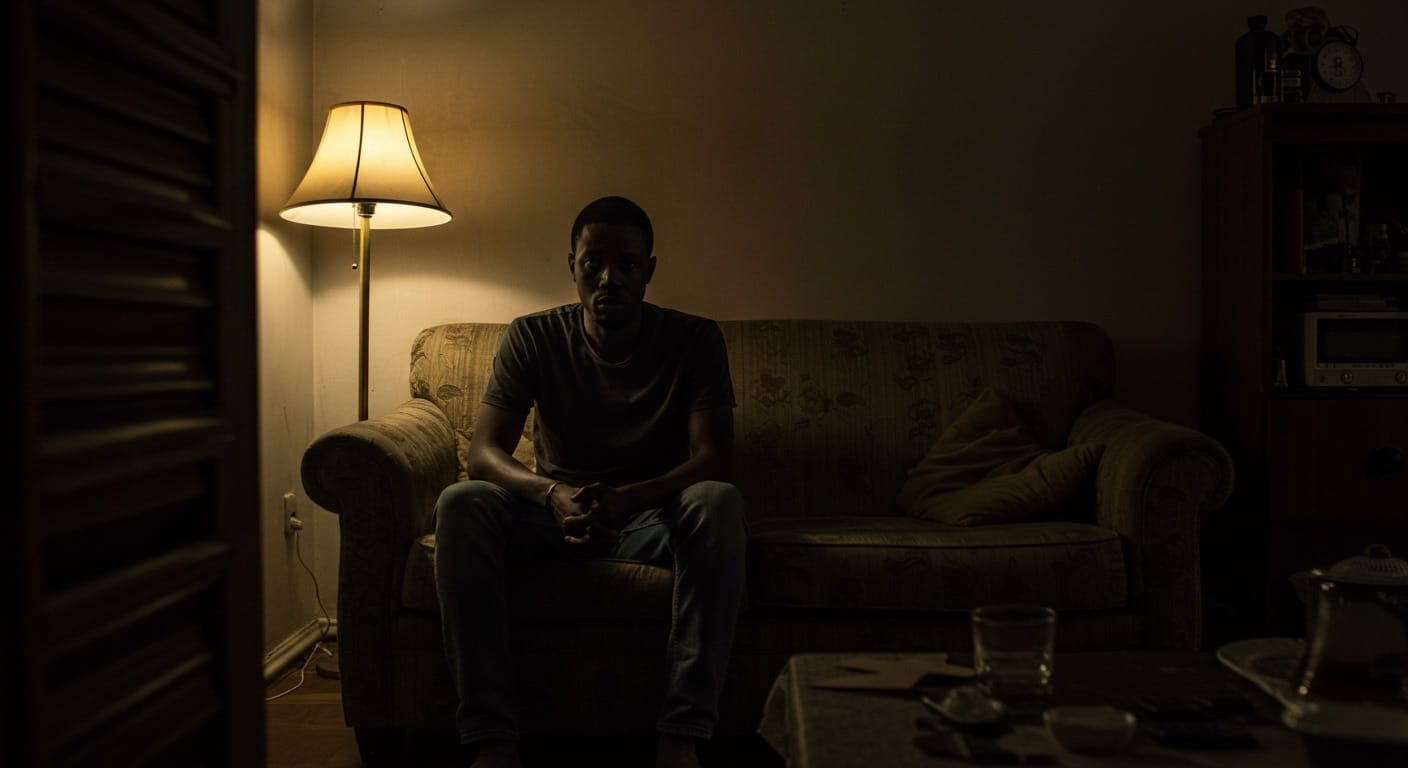
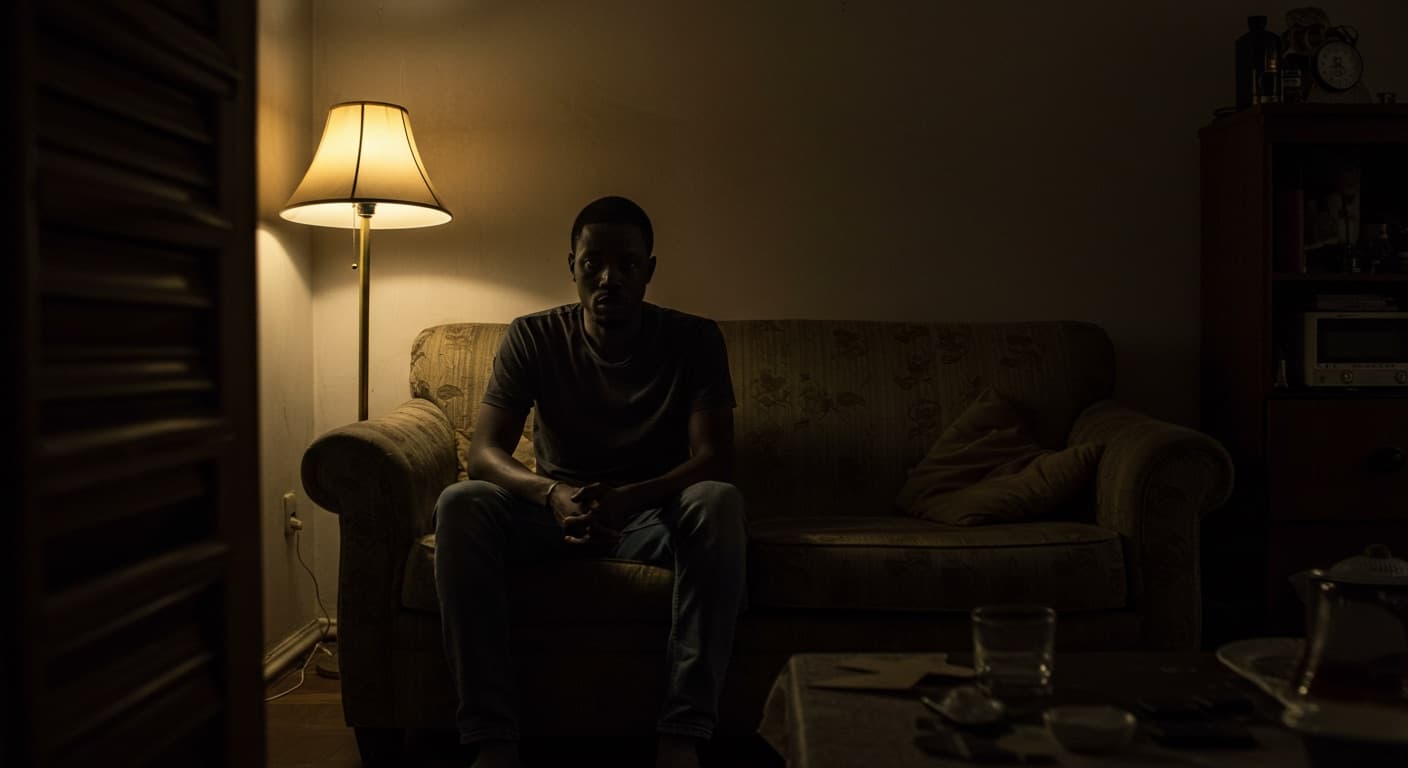
My name is Moussa, and I’m writing this from a small apartment in Paris, where the weight of my life feels heavier than the concrete walls around me. I’m a Senegalese man, 34 years old, with a wife I love and a future I’m trying to carve out of this cold, relentless city. But every day, I’m haunted by a thought so wild, so mad, that it scares me to admit it: I want to fake my own death. I want to vanish, to let my family back in Senegal believe I’m gone, so I can finally live in peace. This is my confession, the story of how I got here, and why I’m teetering on the edge of this insane plan.

The Chains of Home

I came to Paris six years ago, chasing a dream of stability, of building something for myself and my wife, Aïssatou. Back in Dakar, I was the golden son, the one my family pinned their hopes on. My mother used to say, “Moussa, you’ll lift us up, you’ll make us proud.” And I tried. God, I tried. I sent money home every month—hundreds of euros scraped from my waiter’s tips, my construction gigs, my late-night delivery runs. Rent here eats half my paycheck, and Paris doesn’t care if you’re hungry or tired. But I sent what I could, even when it meant skipping meals or walking home in the rain to save on metro fares. My family didn’t see that. They saw a son who wasn’t doing enough. My sister, Fatou, would call, her voice sharp like a knife: “Moussa, the neighbors are laughing at us. You’re in Paris, and we’re still struggling? What kind of man are you?” She’d list everything they needed—school fees for my cousins, medicine for Papa, a new roof for the house. I’d send what I could, but it was never enough. Never. And then, I found out Fatou went to a marabout, one of those so-called holy men in Rufisque, to put a spell on me. She paid him to make me “obedient,” to force me to send more money, even if it broke me. She even tried to curse my marriage, whispering to the marabout that Aïssatou was stealing my loyalty. My own sister, trying to shatter my life to get what she wanted.

The Madness Creeps In

It started as a fleeting thought, a dark whisper in the back of my mind. I was washing dishes at the restaurant, my hands raw from the soap, when it hit me: what if I just… disappeared? What if I let them think I was dead? No more calls, no more guilt trips, no more marabouts chanting over my name. I could be free. The idea was crazy, but it stuck, growing like a weed in my head. I’d lie awake at night, Aïssatou sleeping beside me, imagining how I’d do it. A fake car accident, maybe. A letter sent to Dakar, claiming I’d been hit by a drunk driver on the Périphérique. Or maybe a drowning, my body “lost” in the Seine. I’d seen enough crime shows to know how to make it believable. I pictured my family’s reaction—my mother wailing, Fatou clutching her gris-gris, my cousins posting tributes on WhatsApp. They’d mourn, sure, but then what? They’d move on. They’d stop calling, stop demanding, stop sending marabouts to haunt my dreams. I could keep my money, build my life with Aïssatou, maybe even open that small café I’ve always dreamed of. No more living like a ghost for people who don’t see me as a person, just a bank account.

The Weight of Betrayal

But then the guilt creeps in, heavier than the expectations. My mother’s face flashes in my mind—her tired eyes, her hands worn from years of washing clothes by hand. She raised me, sacrificed everything. How could I do this to her? And my little brother, Amadou, who looks up to me, who wants to be a doctor someday. If I “died,” he’d lose hope, think the world chews up dreamers like us. And Aïssatou—she’d have to carry the secret, too. I’d be asking her to lie, to live with this insane charade. What kind of husband does that? Yet, the alternative feels worse. If I keep going, I’m trapped. Fatou’s marabout might not stop at spells. I’ve heard stories—cousins in Thiès who got sick after refusing to send money, uncles who lost their jobs after crossing a marabout’s curse. Whether it’s real or just fear, it’s eating me alive. Last week, Aïssatou found me staring at my phone, a fake obituary draft half-written in my notes app. “Moussa, what’s this?” she asked, her voice trembling. I lied, said it was nothing, but she knows me too well. She sees the cracks in my soul.

The Cultural Cage

In Senegal, family is everything. Teranga—our hospitality, our unity—binds us, but it can strangle, too. The proverb says, “A successful son is everyone’s son,” but they don’t tell you the cost. I’m not just Moussa; I’m the hope of a whole village, the ATM for a dozen relatives. In Dakar, they don’t see the Parisian winters, the racist landlords, the bone-deep exhaustion. They see Europe as a gold mine, and I’m the miner who’s not digging fast enough. Fatou’s marabout is just the latest weapon in a war I didn’t choose. I’ve heard of others—migrants whose families paid marabouts to make them “remember their duty.” Some say it works, that they felt a pull, a sickness, until they sent money. I don’t know if I believe it, but I feel something—a pressure, a shadow, like eyes watching me across the ocean. Marabouts are part of our blood, our culture. They’re not just mystics; they’re power brokers, weaving Islam and old magic into something that feels unstoppable. Fatou believes she’s right, that I’ve betrayed our family by building a life here. She doesn’t see Aïssatou as my wife, just an obstacle. The marabout she paid probably gave her a gris-gris to slip into my old room in Dakar, or maybe he chanted my name over a fire, promising to bend my will. I can’t fight that with logic. I can’t call her and say, “Stop.” She’d laugh, say I’ve gone soft, become too French.

The Plan and Its Shadows

So, I dream of disappearing. I’ve thought it through, obsessively. I’d need a fake death certificate—there are guys in Belleville who can forge anything for the right price. I’d send it to Dakar through a friend, someone who’d play along. I’d tell them I was cremated, no body to send back, no funeral to plan. Aïssatou and I could move to a new city—Lyon, maybe, or even Canada, where I’ve dreamed of starting over. I’d change my name, grow a beard, become someone new. No more WhatsApp pings at 3 a.m., no more cousins asking for iPhones, no more marabouts whispering my fate. But the plan unravels in my head. What if they don’t believe it? What if Fatou hires another marabout to “find” me? Senegal’s small—word travels fast. Someone might spot me, post a photo, and the whole thing collapses. And Aïssatou—she’s strong, but this could break her. She loves her family, talks to her mother every day. How do I ask her to cut ties, to live a lie? And what about me? Could I live with the guilt of abandoning my mother, my brother, my roots? I’d be free, but I’d be a ghost, haunted by the family I left behind.

A Cry for Peace

I’m not a bad son. I love my family, but I’m drowning. Every euro I send feels like a piece of my soul, every call a reminder that I’m failing them. Fatou’s marabout is the last straw, a betrayal that cuts deeper than any curse. I don’t know if I’ll do it—fake my death, vanish into the night. Some days, it feels like the only way out. Others, it feels like madness, a betrayal of everything I am. I just want peace. I want to wake up without fear, to build a life with Aïssatou, to be more than a wallet for a family that doesn’t see me. Is that so wrong? Is it so crazy to want to disappear, just to live? This is my confession, written in the dark, where no marabout can find me. I don’t know what I’ll do. But tonight, I’m dreaming of a world where I’m free.