Society
Sunulife · Thu, May 7, 2026 · 2 min read
Sovereignty Under Watch: How Africa Is Reimagining Its Media in an Age of Interference
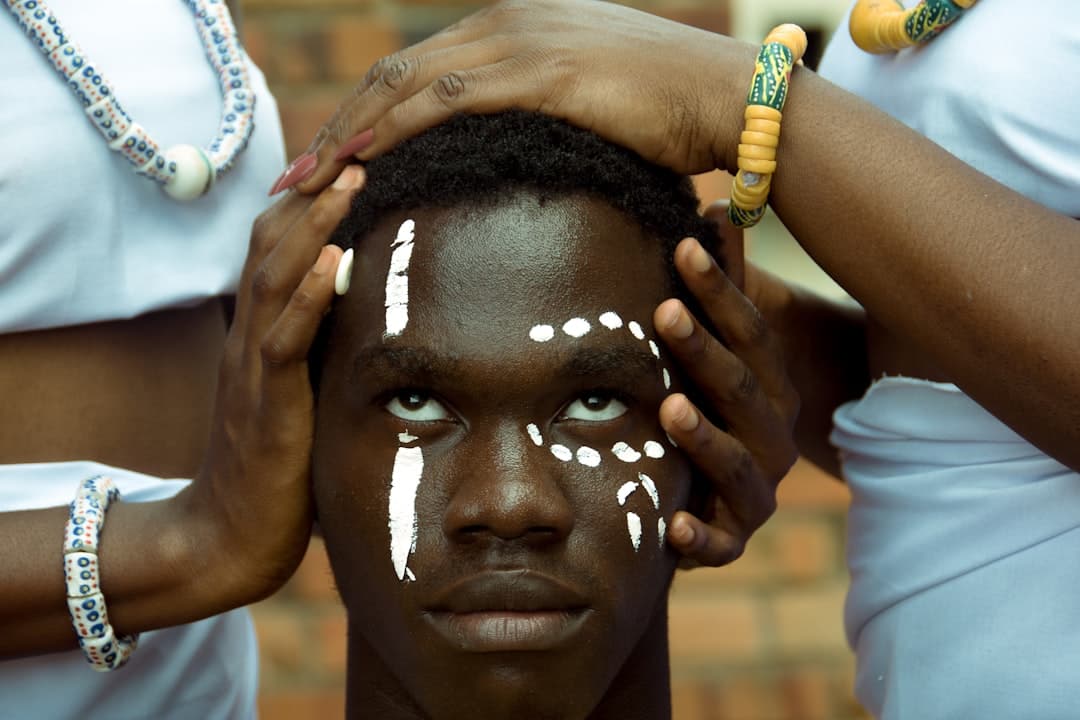
In Brussels, they tally the scores. Every year, a meticulous report ranks countries by their degree of press freedom, while commissions ponder the cross-border risks facing media. But thousands of miles away, in West African capitals, a different reality unfolds – rawer, more urgent, and infinitely more complex. In Mali, the coordinated attacks on Bamako in September 2024 did more than shake a fragile government; they exposed the precariousness of a media space caught between jihadist propaganda, military censorship, and foreign narratives. Meanwhile, in Nigeria, warning signs multiply: the 2027 election looms as a test of truth for a democracy many already describe as eroding. The media, caught in the middle, oscillate between forced loyalty and silent resistance. These two examples, though distant, tell the same story: a continent where information has become a battlefield. And where press freedom, as defined by Western standards, collides with realities that reports never quite capture. For what is at stake in Africa today goes beyond simple censorship or repression. It is a struggle for sovereignty – not only political but narrative. Who tells Africa’s story? With what words, what images, what silences? Great powers, from Paris to Beijing, invest heavily in African media, but often to serve their own agendas. Satellite networks, training programs, discreet funding: all conspire to shape a narrative that escapes Africans themselves. Yet a counter-offensive is emerging. Car