Introduction
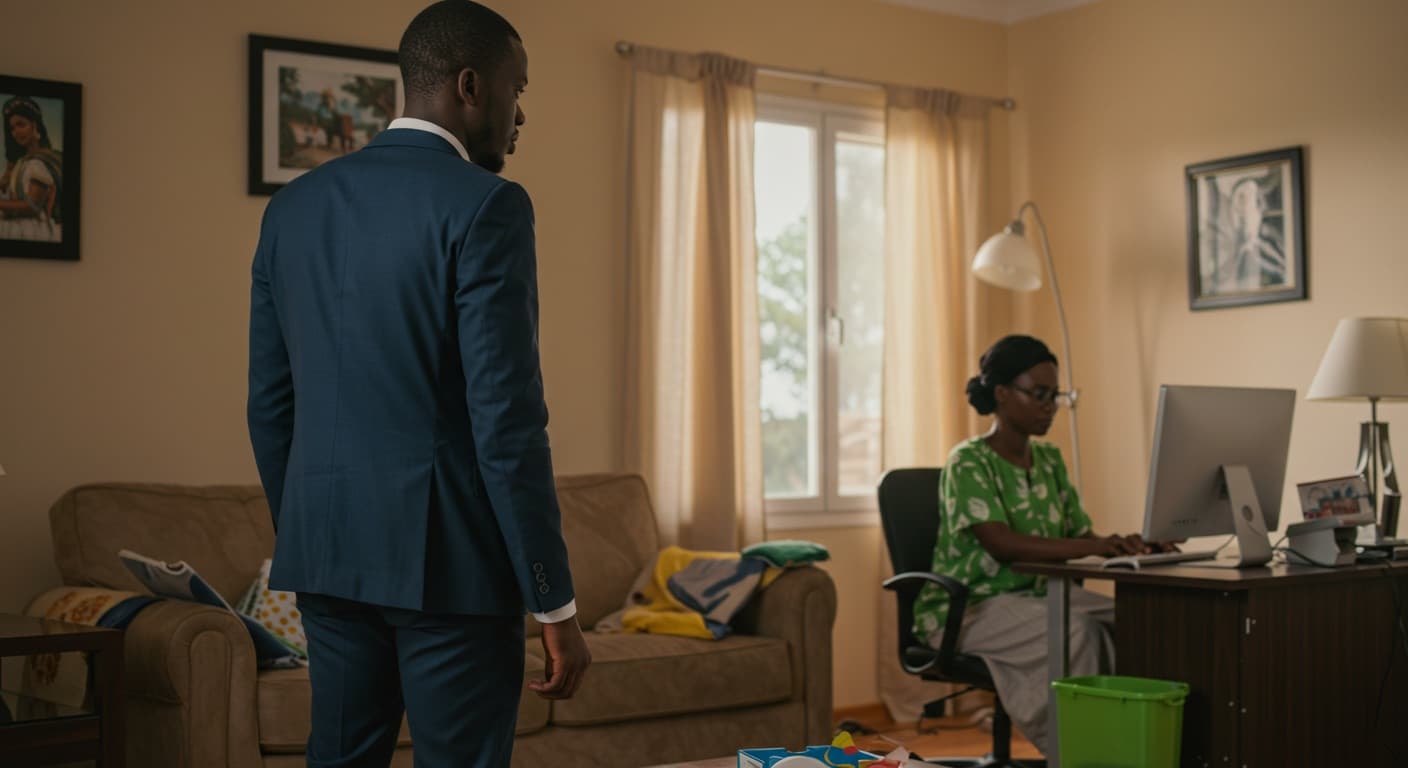
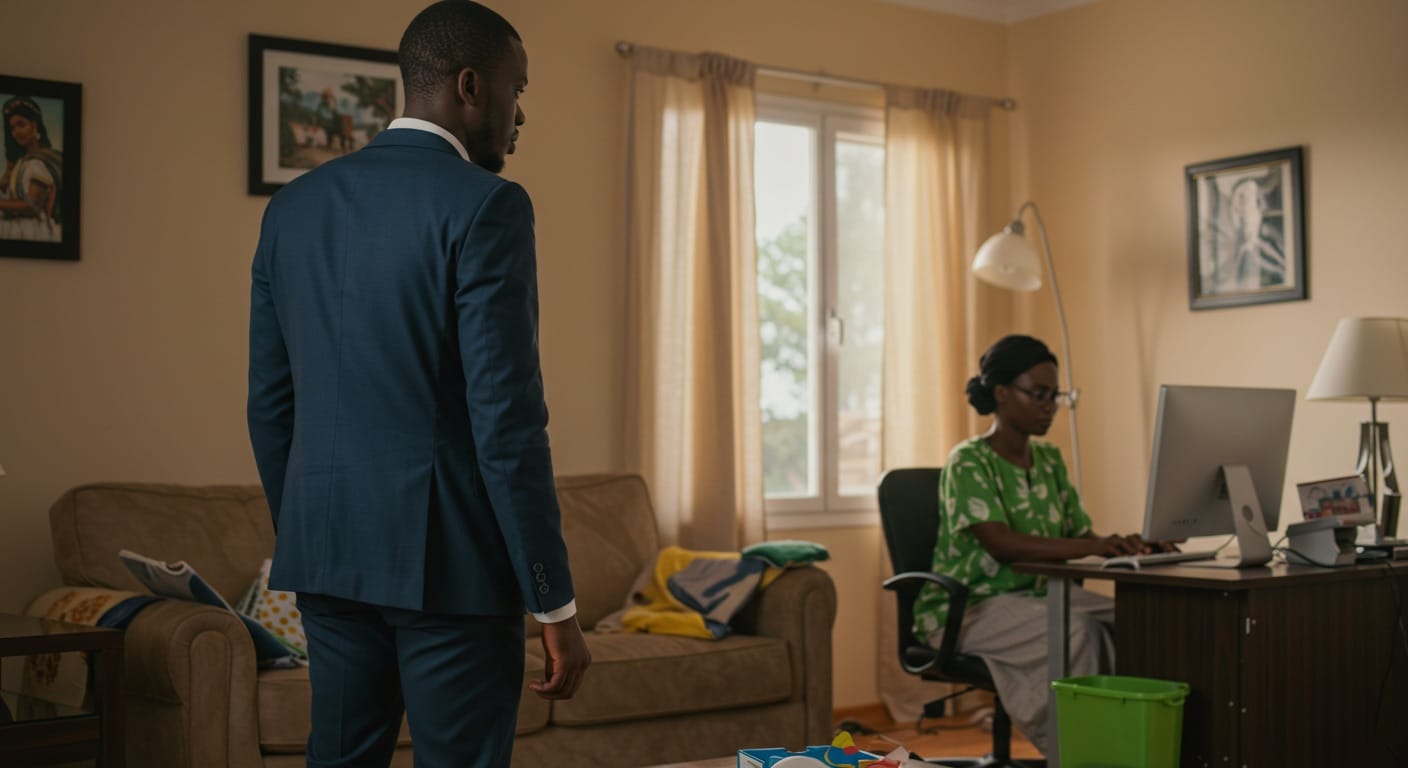
In the heart of Senegal, Daouda, a dedicated husband and father, navigates the complexities of modern family life while grappling with cultural expectations and personal frustrations. As a man deeply rooted in his responsibilities, Daouda provides for his family, endures long commutes to work, and takes on household chores to maintain order. However, his wife, Diarra, a career-driven woman, often leaves the home in disarray, neglecting what Daouda perceives as her duties as a wife and mother. Despite his attempts to communicate his concerns, Daouda finds himself at a crossroads, contemplating a culturally accepted but emotionally charged decision: taking a second wife to restore peace in his life. This article delves into Daouda’s situation, exploring the cultural, emotional, and social dynamics that have led him to consider this drastic step, while examining the broader implications of such a choice in contemporary Senegalese society.
The Weight of Tradition and Modern Expectations
In Senegal, a predominantly Muslim country where polygamy is legally and culturally permitted under Islamic law, men like Daouda often face the intersection of traditional gender roles and modern societal shifts. Historically, Senegalese culture has placed distinct responsibilities on men and women within a marriage. Men are expected to be providers, ensuring financial stability, while women are traditionally seen as caretakers of the home and children. These roles, however, are evolving as more women, like Diarra, pursue careers and prioritize professional ambitions.
Daouda’s situation reflects this tension. As a man who fulfills his role as the primary breadwinner, driving hours to and from work, he feels burdened by the additional responsibility of maintaining the household. Diarra’s focus on her career, while admirable in the context of gender equality and economic contribution, leaves Daouda feeling unsupported in the domestic sphere. The messy and disorganized state of their home becomes a symbol of unmet expectations, not just for Daouda but for the cultural norms he has internalized. His frustration is compounded by the fact that his attempts at communication—ranging from gentle discussions to more direct confrontations—have failed to bridge the gap between their priorities.
Cultural Context: Polygamy in Senegal
Polygamy, practiced by a significant portion of Senegalese men, is rooted in Islamic tradition, which allows a man to marry up to four wives, provided he can treat them equitably. For Daouda, the idea of a second wife is not merely a personal desire but a culturally sanctioned solution to his domestic challenges. In traditional Senegalese society, a second wife might assume responsibilities that the first wife struggles to fulfill, such as maintaining the household or providing emotional support. However, this decision is fraught with complexities, as it involves navigating emotional, financial, and social dynamics in a modern context where monogamy is also gaining traction, particularly among younger, urban populations.
The Emotional Toll on Daouda
Daouda’s contemplation of a second wife is not a decision made lightly. It stems from a deep sense of exhaustion and disillusionment. After long hours of commuting and working to provide for his family, returning to a chaotic home environment feels like a betrayal of the partnership he envisioned with Diarra. The emotional weight of this situation is significant: Daouda feels unappreciated, overburdened, and disconnected from his wife, who seems consumed by her career.
Psychologically, Daouda’s frustration may be rooted in a sense of imbalance. According to family systems theory, a healthy marriage requires mutual support and a division of labor that aligns with both partners’ values. When one partner feels they are carrying a disproportionate share of responsibilities, resentment can build, leading to emotional distance. For Daouda, the messiness of the home is not just a practical issue but a symbol of Diarra’s perceived neglect of their shared life. His consideration of a second wife reflects a desire to restore balance and find peace, but it also raises questions about whether this solution will address the root causes of his dissatisfaction or merely introduce new challenges.
Diarra’s Perspective: A Career-Driven Woman
To fully understand Daouda’s dilemma, it’s essential to consider Diarra’s perspective. As a woman pursuing a career in a society where gender roles are shifting, Diarra may face her own pressures. Balancing professional ambitions with traditional expectations of motherhood and homemaking is no small feat. Her focus on work could be driven by personal fulfillment, financial necessity, or a desire to contribute to the family’s well-being in her own way. However, her neglect of household duties suggests a disconnect in how she and Daouda prioritize their roles.
Diarra’s behavior may also reflect broader societal trends. As more Senegalese women enter the workforce, they challenge traditional norms, sometimes at the cost of domestic harmony. Diarra’s inability to keep the house clean could stem from time constraints, differing priorities, or even a subconscious rejection of traditional expectations. Without open communication, these differences become a source of conflict, leaving Daouda feeling unsupported and Diarra potentially unaware of the depth of his frustration.
The Communication Breakdown
Daouda’s repeated attempts to address the issue with Diarra highlight a critical issue in their marriage: a breakdown in communication. Effective communication in a marriage requires both partners to listen, empathize, and collaborate on solutions. However, Daouda’s claim that he has “used any type of communication” without success suggests that their discussions may have been one-sided or emotionally charged, preventing meaningful progress.
In many cases, communication breakdowns in marriages stem from differing conflict resolution styles. Daouda may prefer direct confrontation, while Diarra might avoid conflict or feel defensive about her contributions to the family. Cultural factors may also play a role: in some Senegalese households, discussing marital issues openly can be seen as taboo, particularly if it involves critiquing a spouse’s fulfillment of traditional roles. Without a safe space to express their needs and frustrations, Daouda and Diarra remain locked in a cycle of misunderstanding.
Contemplating a Second Wife: A Solution or a Complication?
Daouda’s consideration of a second wife is a culturally grounded response to his situation, but it raises significant questions about its feasibility and consequences. On one hand, a second wife could theoretically alleviate Daouda’s domestic burdens, providing the support and order he craves. In traditional Senegalese polygamous households, wives often share responsibilities, creating a division of labor that benefits the family unit.
However, introducing a second wife into the marriage is unlikely to resolve the underlying issues between Daouda and Diarra. Polygamy requires careful management, emotional maturity, and financial stability to ensure fairness and harmony among all parties. Daouda’s primary grievance—Diarra’s neglect of household duties—may not be resolved by adding another spouse, especially if the root cause is a lack of alignment in their values and priorities. Moreover, a second wife could introduce new tensions, such as jealousy, competition, or financial strain, particularly if Diarra feels marginalized or disrespected by the decision.
From a modern perspective, Daouda’s contemplation of a second wife may also reflect an avoidance of deeper marital work. Rather than addressing the communication breakdown or exploring compromises with Diarra, such as hiring domestic help or renegotiating responsibilities, Daouda is considering a solution that shifts the burden to another person. This approach risks perpetuating unresolved issues while creating new ones, particularly in a marriage already strained by unmet expectations.
Broader Implications for Senegalese Society
Daouda’s dilemma is not unique; it reflects broader tensions in Senegalese society as traditional gender roles evolve. The rise of women’s participation in the workforce has empowered many, but it has also challenged longstanding cultural norms. Couples like Daouda and Diarra must navigate these changes without clear blueprints, often leading to friction in marriages where expectations are misaligned.
Polygamy, while still practiced, is also under scrutiny in modern Senegal. Younger generations, particularly in urban areas, are increasingly embracing monogamy, influenced by globalized views on marriage and gender equality. For Daouda, the decision to take a second wife may carry social consequences, such as judgment from peers or family members who view polygamy as outdated or impractical. Additionally, the financial burden of supporting multiple households in a challenging economic climate could exacerbate Daouda’s stress rather than alleviate it.
Potential Paths Forward
Rather than immediately pursuing a second wife, Daouda could explore alternative solutions to restore peace in his home. These might include:
Couples Counseling: Professional mediation could help Daouda and Diarra communicate more effectively, addressing their differing priorities and finding a mutually acceptable division of labor. While counseling is not yet widespread in Senegal, it is gaining traction in urban areas and could provide a neutral space for dialogue.
Renegotiating Roles: Daouda and Diarra could openly discuss their expectations and redefine their roles in the marriage. For example, they might agree to share household chores more equitably or hire domestic help to alleviate the burden on both.
Cultural Sensitivity: Daouda could approach Diarra with greater empathy, recognizing the pressures she faces as a working woman in a traditional society. Acknowledging her contributions while expressing his needs could foster a more collaborative dynamic.
Community Support: In Senegalese culture, extended family and community often play a role in resolving marital conflicts. Seeking advice from trusted elders or religious leaders could provide Daouda and Diarra with culturally relevant guidance.
If Daouda ultimately chooses to pursue a second wife, he must do so with careful consideration of the emotional and financial implications. Transparency with Diarra, adherence to Islamic principles of fairness, and a commitment to maintaining harmony in the household will be essential to making such an arrangement work.
Conclusion
Daouda’s contemplation of a second wife is a response to deep-seated frustrations in his marriage, rooted in cultural expectations, personal exhaustion, and a breakdown in communication with Diarra. While polygamy offers a culturally sanctioned solution, it is not a guaranteed path to peace, as it may introduce new complexities without addressing the underlying issues in their relationship. By exploring alternative approaches, such as counseling, renegotiating roles, or seeking community support, Daouda and Diarra may find a way to bridge their differences and restore balance to their marriage. Ultimately, Daouda’s journey reflects the broader challenges faced by many Senegalese couples navigating the intersection of tradition and modernity, where open dialogue and mutual understanding are key to finding lasting peace.