Narratives
Sunulife · Sat, Jul 25, 2026 · 2 min read
Whispers of the Tongue: When Kiswahili Reimagines African Literature
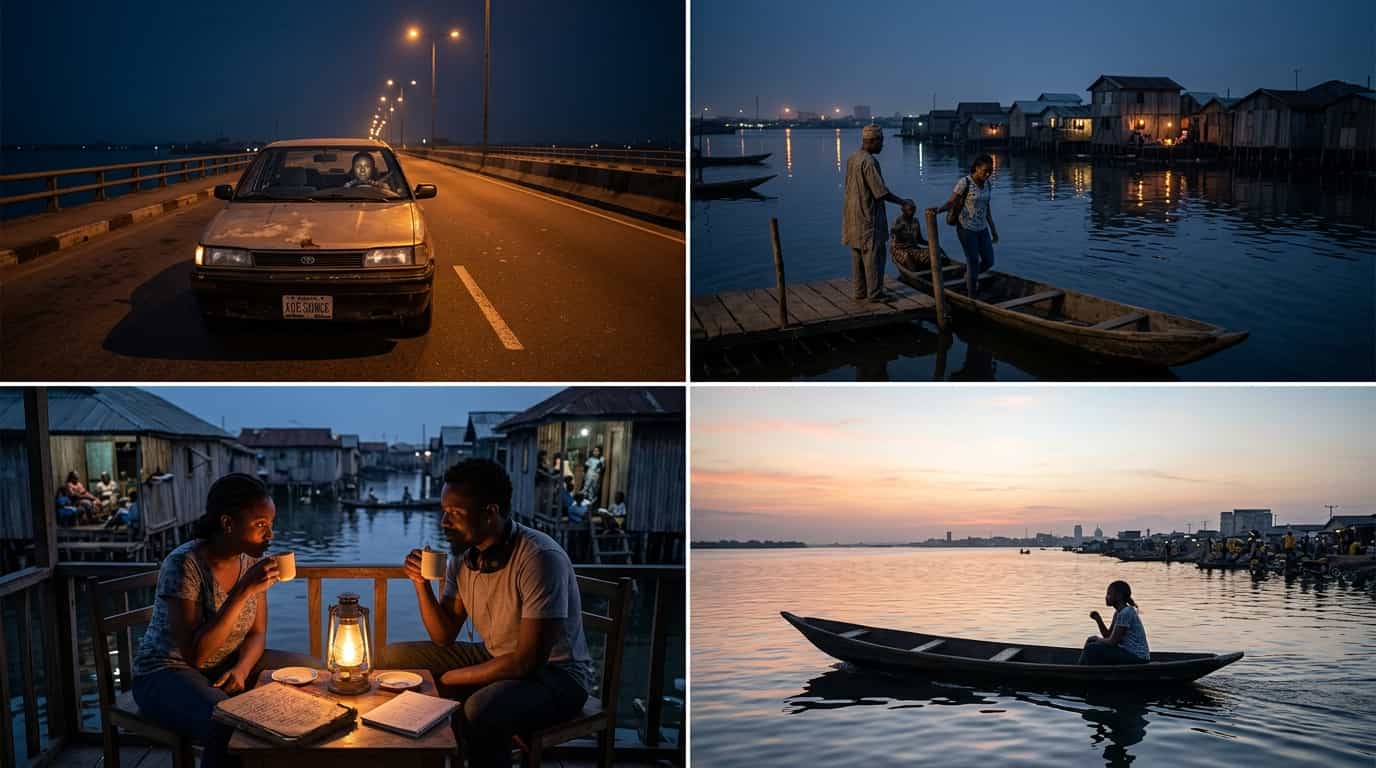
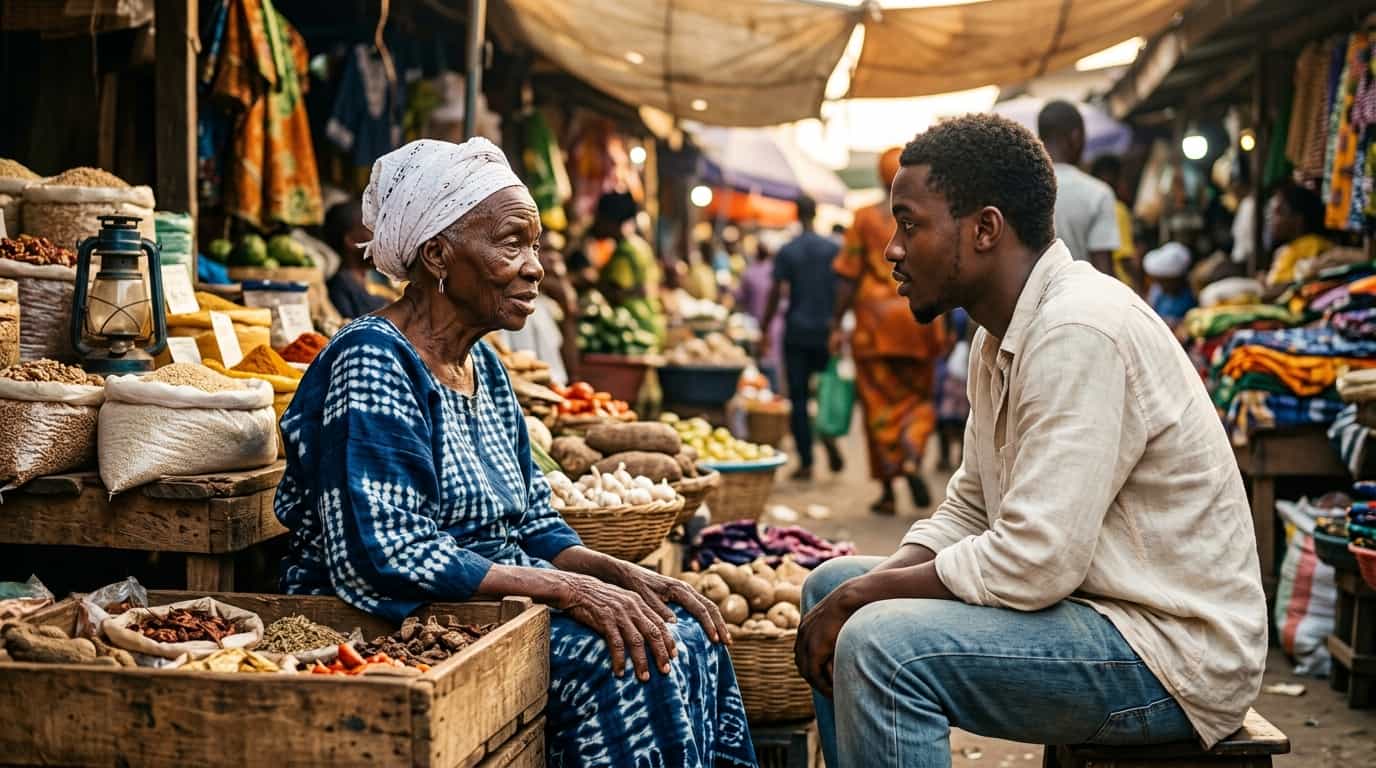
The dusk falls over Dar es Salaam, and the day's heat slowly evaporates into the dusty alleys of Kariakoo. In a courtyard, by the flickering light of a kerosene lamp, Aisha, twenty-seven, recites. Her voice, hesitant at first, rises gradually, carried by the ancestral rhythm of Kiswahili. She speaks of lost love, the sea that separates, a child's laughter. Around her, a dozen faces, suspended on her lips, drink in every syllable. Tonight, she is not alone. Tonight, she is a link in a chain stretching back centuries—the chain of Swahili coast storytellers. But Aisha does not tell ancient tales. She speaks of Zanzibar, its narrow streets where the ghosts of slave traders still roam. She speaks of her mother, who sewed wedding dresses in a windowless shop. She speaks of inner exile, the shame of forgetting one's mother tongue in colonial schools. A few miles away, in the air-conditioned room of the Serena Hotel, a jury deliberates. This is the tenth edition of the Safal Kiswahili Prize for African Literature, a prize that, in a decade, has transformed East Africa's literary landscape. Kiswahili, spoken by over a hundred million people, long relegated to the status of a vernacular language, is now asserting itself as a language of creation, ambition, and international recognition. The prize has revealed novelists, poets, playwrights. It has brought forth a generation that writes as it breathes, in a language that never stopped beating, even in the silence of dusty libraries. For