Sunulife · Sun, Apr 5, 2026 · 5 min read
Echoes of Silence: A Mother, a Book, and the Suspended Dreams of Lusaka
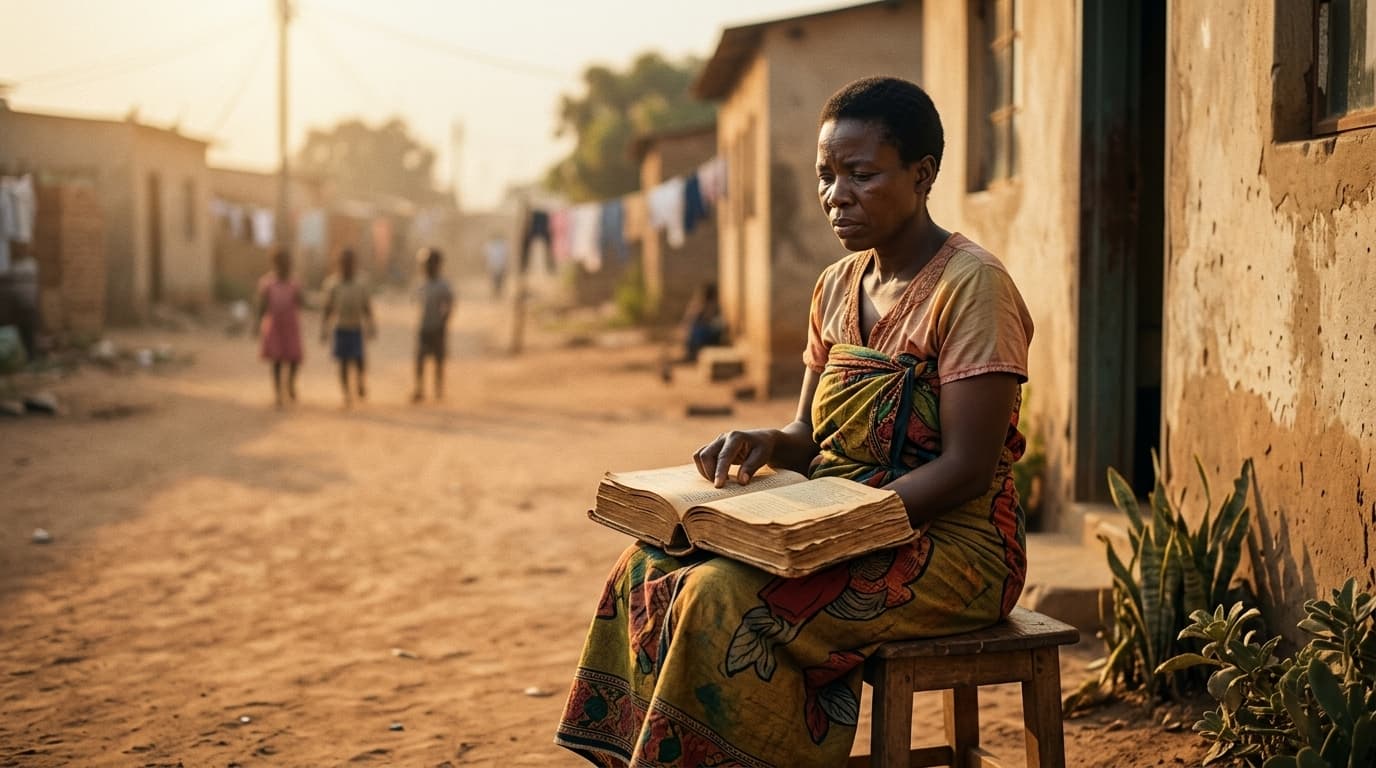
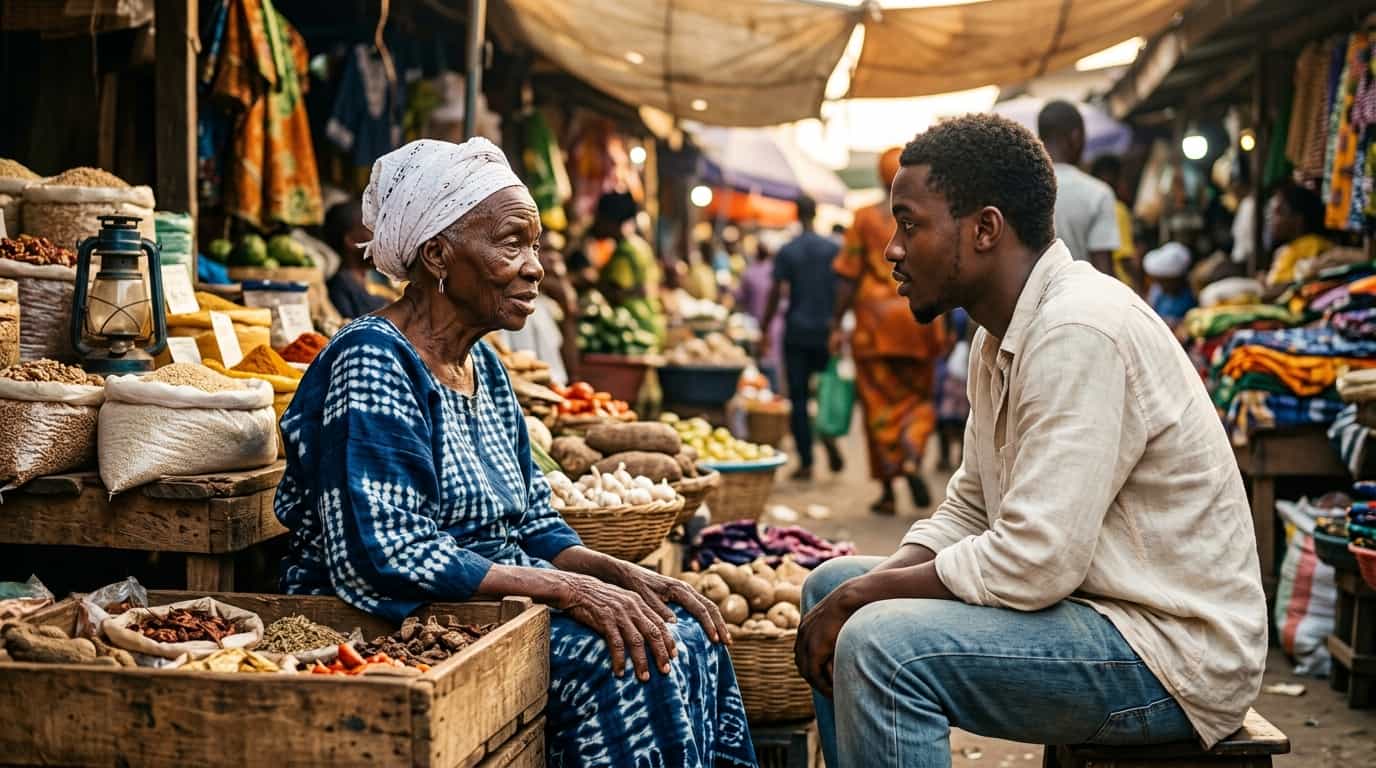
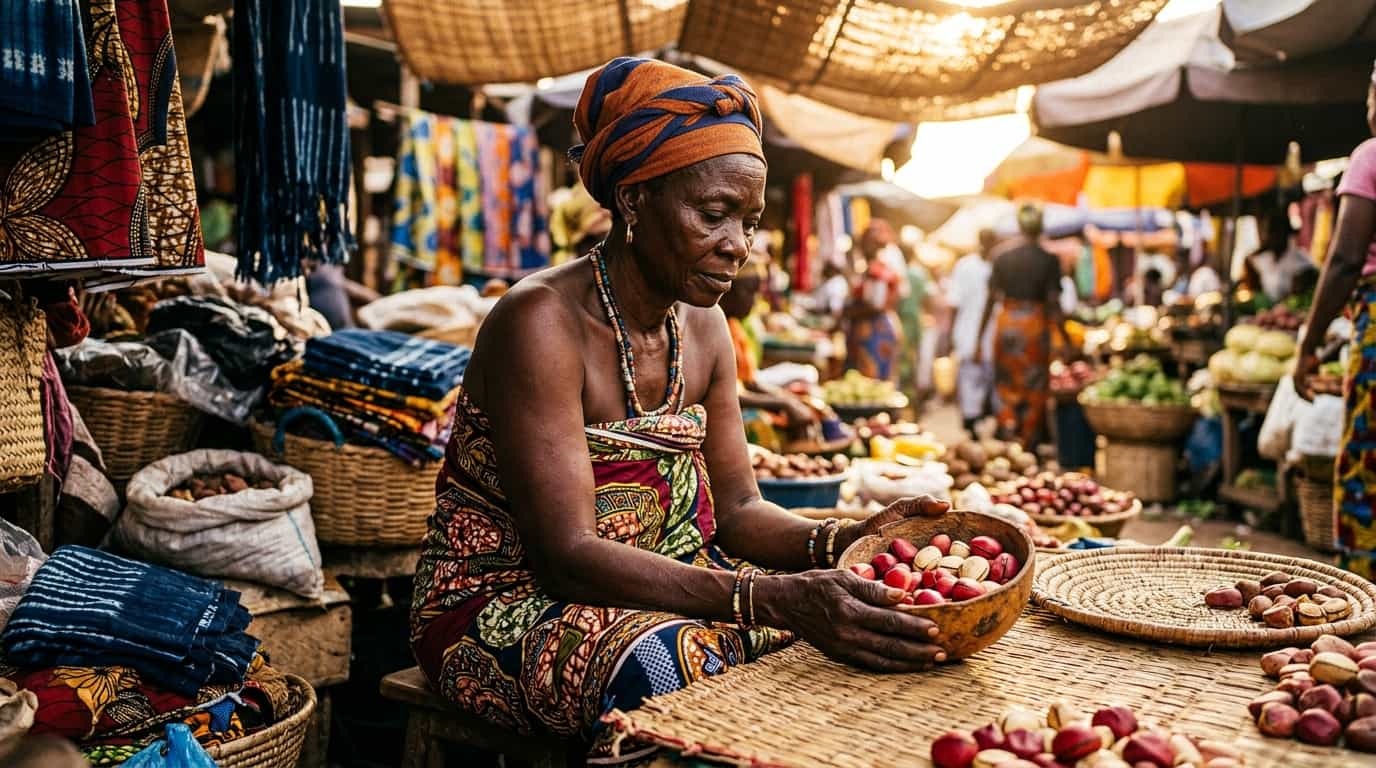
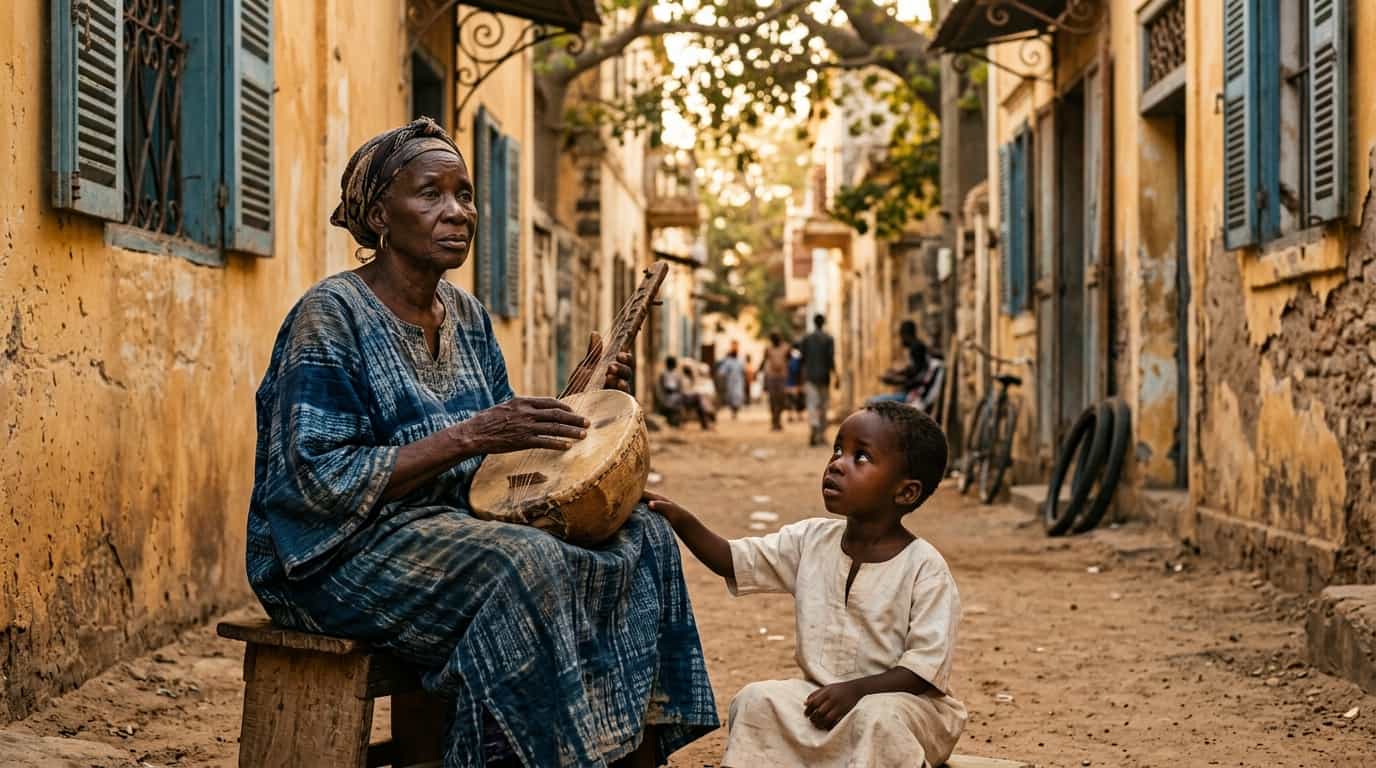
The sun over Lusaka strikes the red earth like a hammer on an anvil, and in that relentless heat, Grace Mwamba walks. Under her arm, she carries a bundle wrapped in wax cloth, pressed against her chest like a child. Inside, there is no food or money, but something more precious: a two-hundred-page manuscript, handwritten, its ink faded with years. It is the novel she never published, the story she has carried for two decades, like a secret too heavy to share. Grace was twenty-five when she began writing. It was 2003, in the small house she shared with her husband and their two children. At night, after work at the hospital and household chores, she would sit at the kitchen table, a flickering kerosene lamp beside her, and write. She wrote about a woman who dreamed of becoming a doctor but had to abandon her studies to raise her siblings. She wrote about the silences that settle between people when dreams crumble, about how love can both sustain and suffocate. She wrote in Kunda, her mother tongue, then in English, searching for the right words to capture that particular pain of watching the future recede like a mirage in the desert. For years, the manuscript traveled with her. From Lusaka to Kitwe, then back to Lusaka when her husband found new work. It survived the floods of 2005, carefully wrapped in plastic and placed on the highest shelf. It witnessed the births of two more children, marital arguments, late-night reconciliations. The pages became stained with tea, tears, the sweat of hands that held them. Every mark was a memory, every crease a story within the story. Today, Grace is forty-five. Her children are grown, one at university, the other already married. Her husband left five years ago, taken by a swift illness that left behind a silence deeper than anything she had ever written. And it is in this silence that she retrieved the manuscript. Not to publish it—the publishers she sent it to years ago responded with polite rejections or no reply at all—but to read it aloud, in her sister's garden, to a group of women from the neighborhood. They gather every Saturday afternoon, these women. Some are young, others Grace's age. They come with their own stories: absent husbands, difficult children, failed businesses, degrees that never led anywhere. And Grace reads. She reads about the protagonist who, at forty, decides to learn to read and write for the first time. She reads the scene where this woman finally tells her story to her daughter, breaking the cycle of silence. The women listen, some cry, others nod, recognizing their own lives in these words. This is not a book club in the traditional sense. There are no scholarly discussions about narrative structure or style. There are only voices responding to each other, experiences intersecting, pains finally finding words. Grace calls these gatherings "Shipikisha," a Kunda word meaning "to carry together." Because that is what they do: they carry together the weight of deferred dreams, suspended hopes, lives that took unexpected detours. Sometimes, after the reading, the women write in turn. On scraps of paper, in school exercise books, they jot down their own stories. A young mother describes the shame of abandoning her studies to raise her child alone. A trader recounts how her shop burned down, taking all her savings with it. A grandmother writes a letter to her granddaughter, explaining why she never realized her dream of becoming a teacher. These texts, Grace collects them, binds them with thread and a needle, creating a new manuscript, collective this time, a mosaic of voices too long silenced. One day, perhaps, this collective manuscript will find its way to a publisher. Or perhaps not. It is no longer essential for Grace. What matters is that the stories are told, that the silences are broken, that the women recognize themselves in each other. In a world where African narratives are often reduced to clichés—poverty, war, disease—these Saturday afternoon gatherings offer something subtler, deeper: the complexity of ordinary lives, the beauty of daily resilience, the dignity of dreams that persist even when they seem impossible. Grace puts away her manuscript, wraps the bundle again in the wax cloth. The sun begins to set, tinting the Lusaka sky with orange and purple hues. Tomorrow, she will return to her work at the hospital, to household chores, to the worries of daily life. But she knows that next Saturday, she will be there, in the garden, with her book and the women who listen. And in that circle of shared voices and silences, something essential continues to live: the certainty that every story deserves to be told, every dream deserves to be acknowledged, even—especially—when it never found its way to the light.