Journeys
Sunulife · Mon, Sep 21, 2026 · 2 min read
Gorée Island, Where Memory Breathes with the Sea
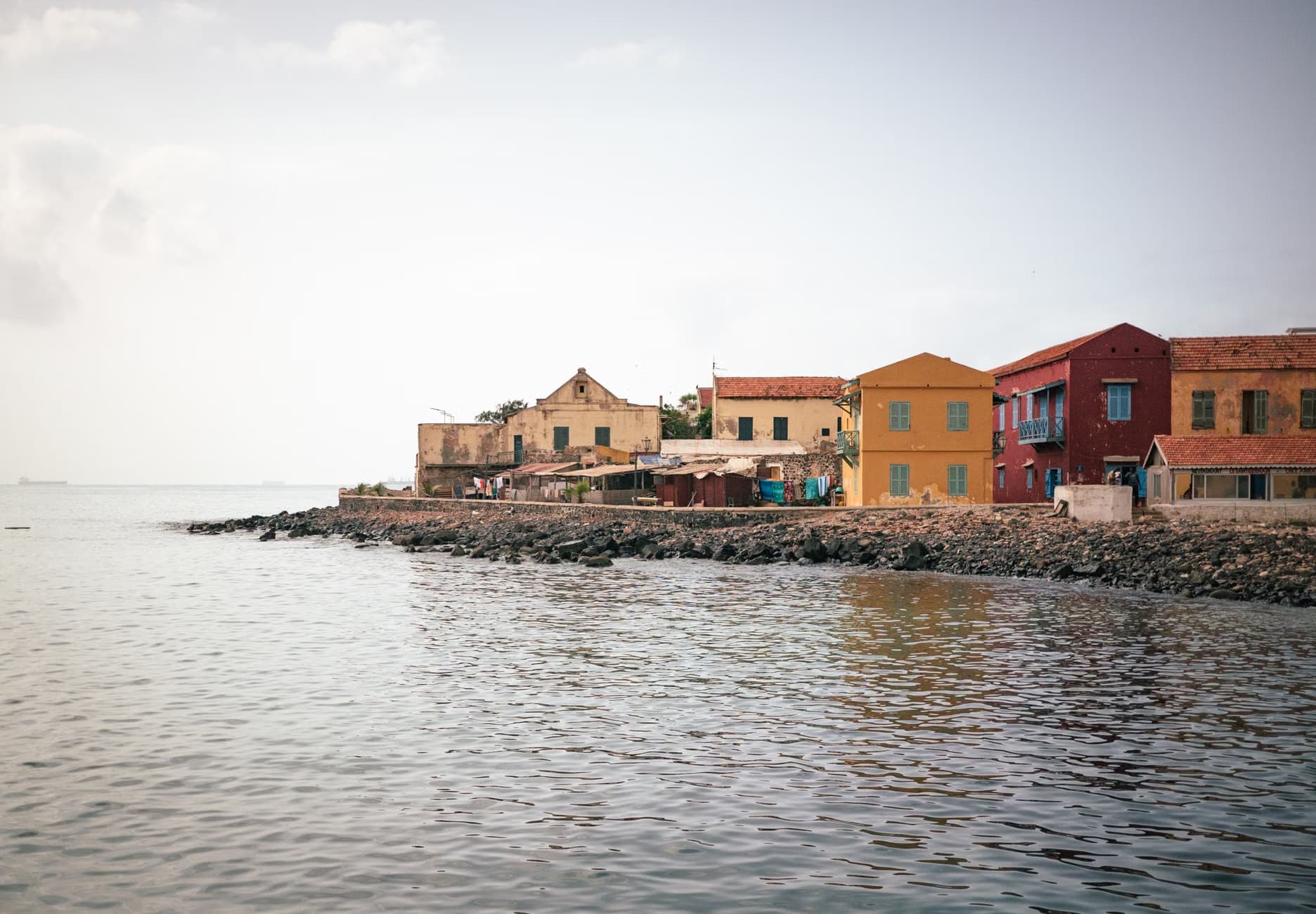
The first breath that greets you on Gorée Island is not a sound but a caress. The sea air, laden with iodine and red dust, wraps around the traveller the moment you step off the ferry. You leave behind the clamour of Dakar for a living silence, filled with bird calls and Wolof conversations drifting from shaded courtyards. Gorée is not a place you visit: it is a place that visits you. You must walk without hurry. The narrow, winding alleys are lined with houses whose facades have faded into ochre, dusty pink, and off-white. Bougainvillea spills over low walls, throwing splashes of purple onto sun-warmed stone. Occasionally, a half-open door reveals an inner courtyard where children play football with a rag ball, watched over by a grandmother seated on a wooden stool. Life here flows slowly, as if time itself had decided to take a summer holiday. The House of Slaves, of course, is unavoidable. But you must enter it with humility. Its whitewashed walls, its cramped cells, its door of no return opening onto the Atlantic: everything speaks of pain and resilience. Yet Gorée is not reducible to that place of memory. The island is also a vibrant village where joy is cultivated as a form of resistance. Artists have made it their home, children learn to swim in turquoise waters, and fishermen mend their nets at sunset, discussing the day's catch. At the market, stalls overflow with brightly coloured wax fabrics, Tuareg silver jewellery, and teak sculptures. The vendors call out to pas