Journeys
Sunulife · Mon, Aug 24, 2026 · 2 min read
The River of Ancestors: Tracing Congo's Pirogues
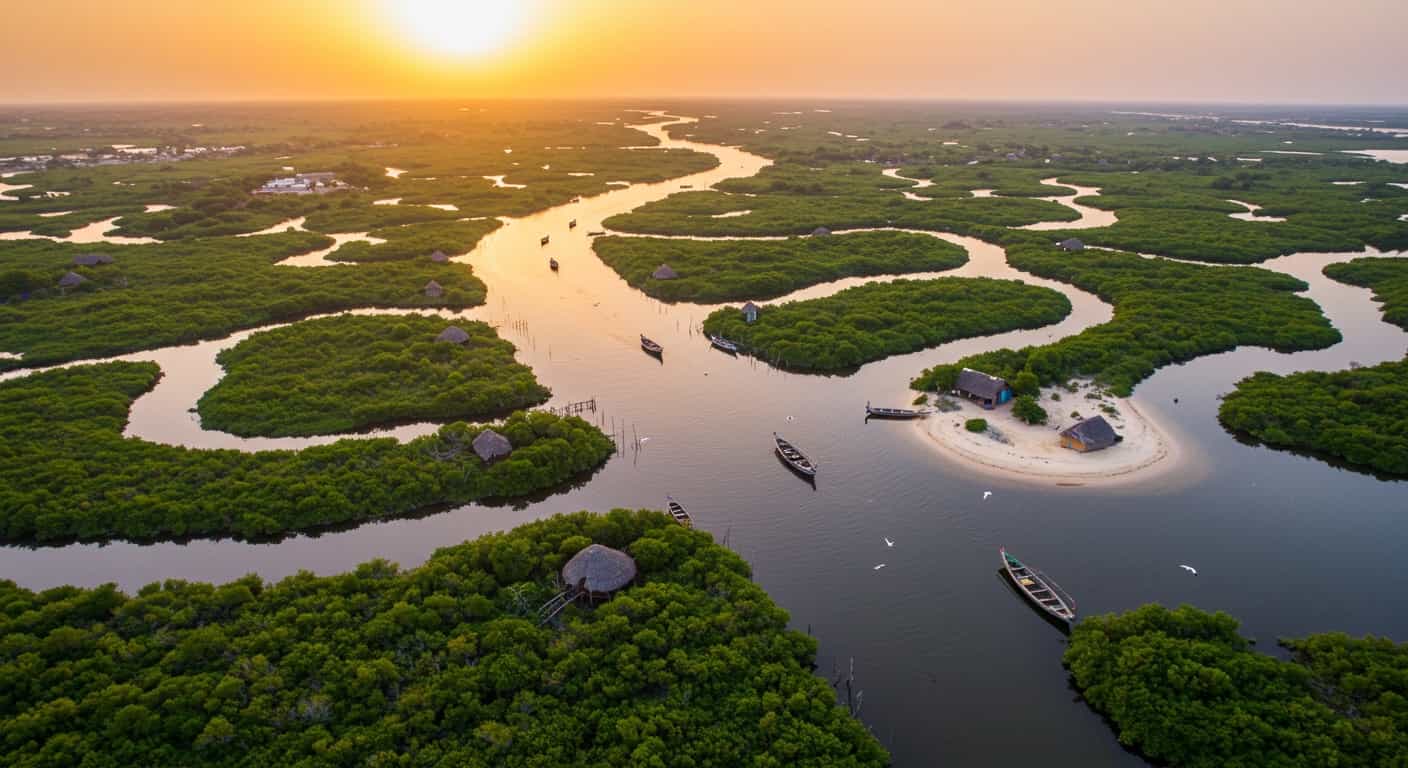
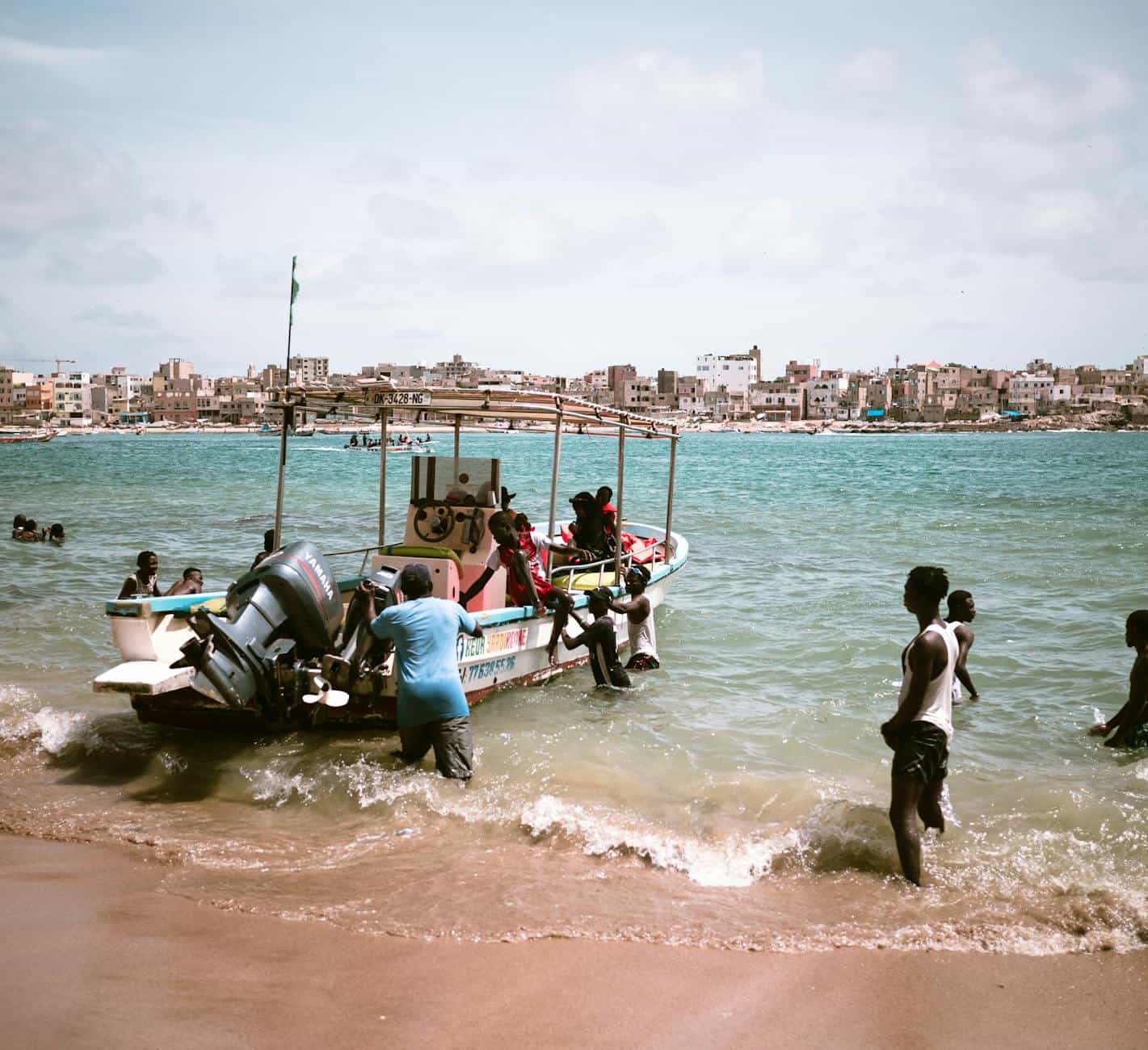
The Congo River is not something you cross. It is something you live. You breathe it, taste it, sense it in the lapping of water against the wooden flanks of pirogues. Here, time is not measured by clocks but by tides and seasons, by the accumulating cargo and departures decided at dawn. I boarded one of those fragile yet majestic vessels, laden with sacks of cassava, jerrycans of oil, crates of beer, and passengers pressed together in a closeness that quickly becomes brotherhood. The engine coughs, then purrs, and the pirogue pulls away from the Kinshasa shore, leaving behind the city's clamor. Gradually, the buildings fade, replaced by lush vegetation dipping its roots into earth-colored water. The river is wide here, so wide you might think you're at sea. But the horizon is not oceanic; it is dotted with villages of corrugated iron roofs, fishermen casting their nets in an ancestral choreography, children waving from the bank. I remember an old man, seated at the bow, his face weathered by sun and wind. He told me his grandfather already made this journey, carrying goods and news from one village to another. “The river is our road, our market, our link to the ancestors,” he said. His words resonated within me. For this river is not merely a transport route; it is an open-air history book. Every island, every tributary, every emergent rock has its name, its legend, its place in collective memory. Pirogues do not only carry goods; they carry stories, songs, traditions passed