Society

Sunulife · Tue, Sep 9, 2025 · 6min read

The Meaning of Laughter in Dreams: A Deep Dive Through Senegalese Lenses
The Meaning of Laughter in Dreams: A Deep Dive Through Senegalese Lenses
Favourite

Dreams hold a profound place in human experience, serving as windows into the subconscious, spiritual realms, and even future events. In Senegal, a nation where over 95% of the population identifies as Muslim, dream interpretation is deeply intertwined with Islamic traditions, yet it also weaves in elements of pre-Islamic animist beliefs from ethnic groups like the Wolof, Serer, and Diola. This syncretic approach reflects Senegal's cultural richness, where Sufi brotherhoods such as the Mourides and Tijaniyya emphasize spiritual guidance, and traditional diviners (known as devins or marabouts) blend Qur'anic insights with ancestral wisdom. Laughter in dreams, often paradoxical in its symbolism, embodies joy, sorrow, temptation, and divine messages. Drawing from classical Islamic scholars like Ibn Sirin and contextualized within Senegalese practices, this article explores the multifaceted meanings of laughter in dreams, leveraging traditional interpretations while considering local cultural nuances.

Islamic Foundations of Dream Interpretation in Senegal

Senegal's approach to dreams is rooted in Islam, where the Prophet Muhammad emphasized that true dreams are one-forty-sixth part of prophecy. Books like those by Ibn Sirin, a 7th-century scholar, form the backbone of interpretations, and these texts are widely consulted in Senegal through marabouts—spiritual leaders who act as interpreters. In Senegalese society, dreams are not mere psychological phenomena but potential revelations from Allah, warnings from the devil, or communications from the spirit world. Laughter, or rire in French (Senegal's official language), appears frequently in these interpretations. According to Ibn Sirin, laughing in a dream generally signifies sadness and sorrow in waking life, especially if it is loud or uncontrolled. This aligns with the Qur'anic principle that ease follows hardship (Qur'an 94:5-6), where dream laughter might foreshadow trials. However, the nuance depends on context: a gentle laugh or smile often portends good news, such as the birth of a child. In Senegal, where family and community are central, such dreams might prompt visits to a marabout for confirmation, often involving prayers or offerings to ward off negative outcomes.

Key Interpretations of Laughter in Dreams

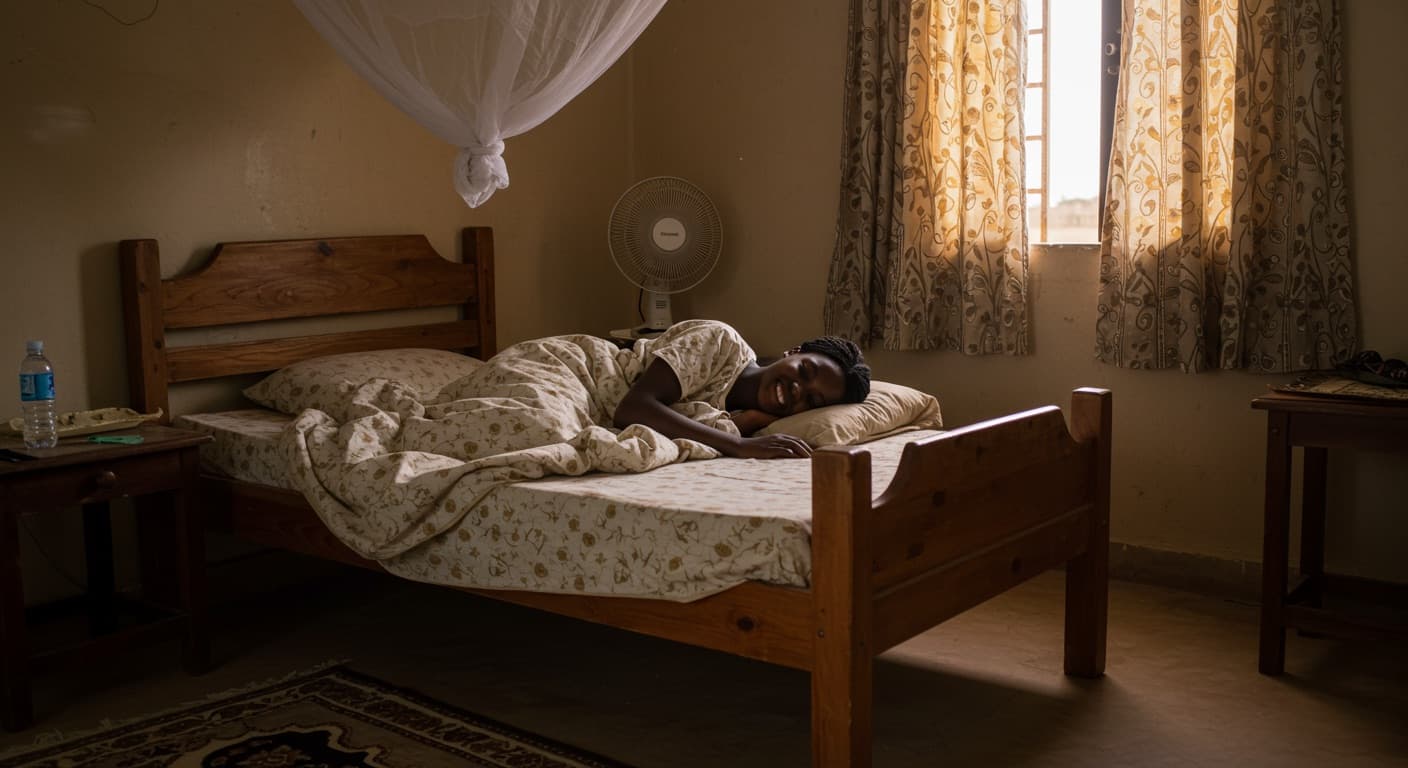
The provided interpretations, which echo Ibn Sirin's work, offer a rich tapestry of meanings. Let's break them down, integrating Senegalese cultural insights: Positive Connotations: Joy, Prosperity, and Spiritual Bliss Deceased Person Laughing: If you dream of a dead person laughing, it indicates they have reached Paradise (Jannah) and are enjoying eternal joys. This is a comforting sign in Senegal, where ancestor veneration persists alongside Islam. Families might interpret this as a blessing from the departed, prompting communal prayers or zikr (remembrance of God) sessions in Sufi lodges. In animist-influenced areas like Casamance, it could also suggest the spirit's contentment, blending with beliefs in protective ancestors. Smiling or Gentle Laughter: A smile in a dream reflects good character and inner joy. In Senegal, this might symbolize teranga—the Wolof value of hospitality and kindness—manifesting as social harmony. However, if the smile feels mocking, it could indicate malice, urging self-reflection on one's relationships. Gentle laughter can also herald news of a newborn, resonating in a country with high birth rates and cultural emphasis on lineage. The Earth Laughing: This rare dream signifies a prosperous year with abundant harvests. In agrarian Senegal, where agriculture supports much of the economy (peanuts, millet, rice), such a vision might lead to community rituals or consultations with marabouts to ensure fertility. It ties into animist views of the land as alive with spirits (rabbs), where laughter represents the earth's benevolence. Negative or Cautionary Meanings: Sorrow, Temptation, and Loss Excessive Laughter: Dreaming of laughing uproariously until falling or bending over predicts tears and grief in reality. This inversion—joy in sleep equating to sorrow awake—is a common Islamic motif, warning against heedlessness (ghaflah). In Senegal, amid economic challenges and social pressures, this might reflect fears of instability, prompting fasting or charity to avert misfortune. Laughter from Jokes or Pretense: Laughing at a joke denotes dishonesty, while feigned laughter signals falling into sin. These highlight moral lapses, relevant in Senegal's honor-based society where reputation is key. A dream of uncontrollable laughter might symbolize temptations or addictions, like bad habits one struggles to quit—perhaps echoing urban youth's battles with modernity versus tradition. Laughter Among the Powerful: For leaders or influential figures, laughter indicates frivolity and potential loss of position. In Senegal's political landscape, marked by figures like former President Abdoulaye Wade or current leader Bassirou Diomaye Faye, such dreams could be seen as omens, leading to increased piety or consultations with spiritual advisors. Uncontrollable Laughter or Groups of Laughers: This points to impulses beyond control, often linked to temptations or relapses into vice. In Senegalese context, it might relate to djinn (spirits) influences, where dreams signal spiritual attacks requiring exorcism-like ndepp ceremonies among the Lebou people. These meanings are not rigid; interpretation varies by the dreamer's state—weakness amplifies negative aspects, while strength enhances positivity.

Senegalese Cultural and Traditional Layers

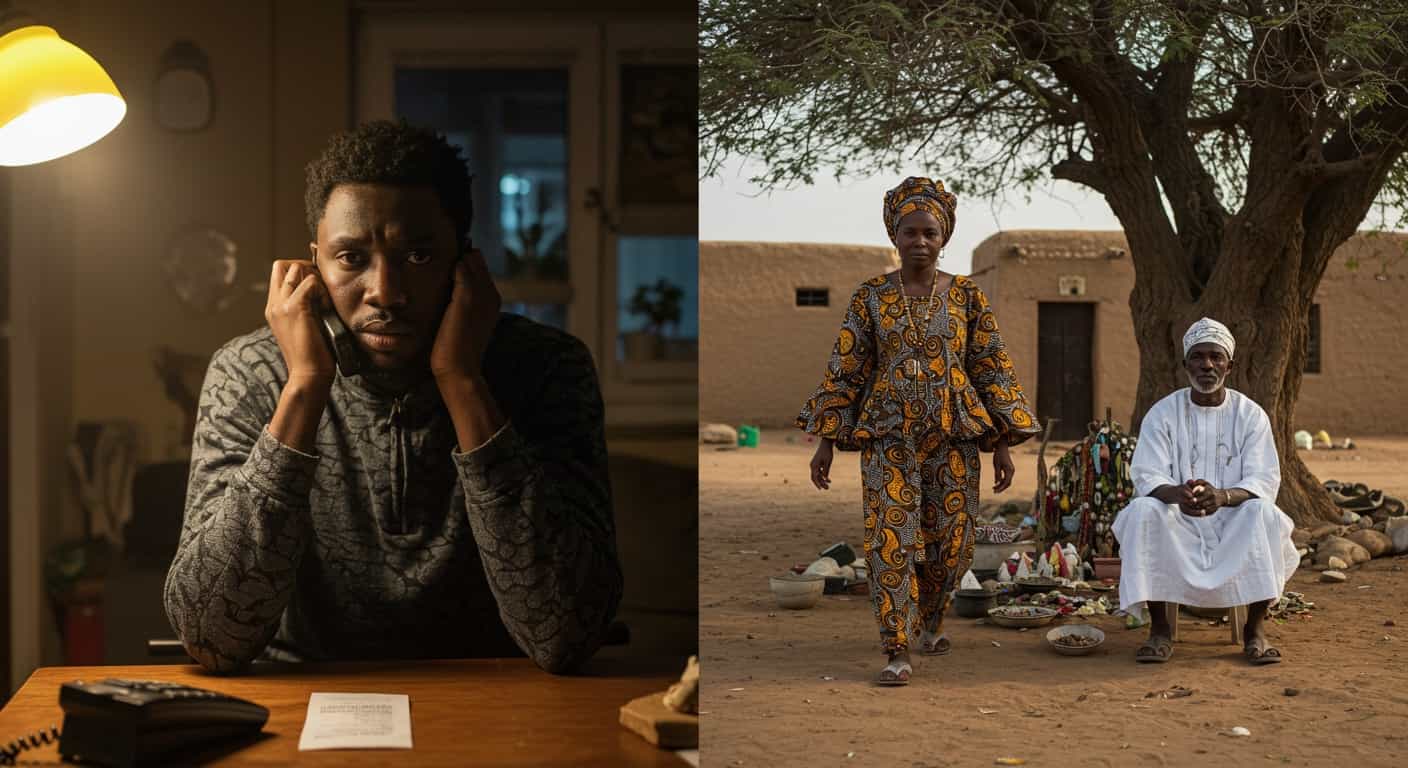
Senegal's dream lore extends beyond pure Islam, incorporating animism from its diverse ethnic groups. Ethnographic studies reveal that dreams often involve spirits: a laughing spirit might be a rabb (ancestral spirit) communicating joy or warning. In Dakar or rural areas, possession following such dreams leads to ndepp rituals—communal dances and sacrifices to appease the entity. Marabouts, blending roles as Islamic healers and animist practitioners, use Qur'anic verses alongside talismans to interpret and resolve these. Scholar Djibril Samb's work on Senegambian dream interpretation analyzes this scientifically, drawing from devins' testimonies in Senegal and Gambia. He notes dreams as cultural bridges, where laughter might symbolize communal harmony or disruption. Recent publications, like Sidy Top's guide, enrich this, offering localized Islamic views tailored to Senegalese life. Daily Senegalese culture celebrates laughter—evident in vibrant markets, sabar dances, and humor-laden storytelling. Yet in dreams, it carries weightier implications, often discussed in family or Sufi circles. Women might link laughter dreams to menstruation, a practical Islamic note.

Modern and Psychological Perspectives in Senegal

While traditional views dominate, urban Senegal increasingly incorporates psychology. Freudian ideas of dreams as wish fulfillment contrast with Islamic ones, but therapists in Dakar might see laughter as repressed emotions surfacing. In a globalized context, young Senegalese on platforms like TikTok or YouTube share dream stories, blending folklore with pop culture. However, core beliefs persist: a 2023 study on mental health notes animist dream practices aid coping in a society valuing spiritual over clinical explanations.

Conclusion: Laughter as a Dream Mirror

In Senegal, laughter in dreams is a paradox—harbinger of joy or sorrow, divine favor or temptation—reflecting life's dualities. Rooted in Ibn Sirin's teachings and enriched by animist traditions, these interpretations guide daily decisions, from farming to politics. Whether consulting a marabout or pondering alone, Senegalese view such dreams as calls to mindfulness, reinforcing faith and community. As globalization evolves, this blend of ancient wisdom and modern insight ensures dreams remain a vital cultural thread, inviting us to laugh, reflect, and grow.