
Sunulife · Wed, Jan 8, 2025 · 4 min read
Beware the Wrath of a Betrayed Woman!: The Old Woman Who Walked in Bitterness.
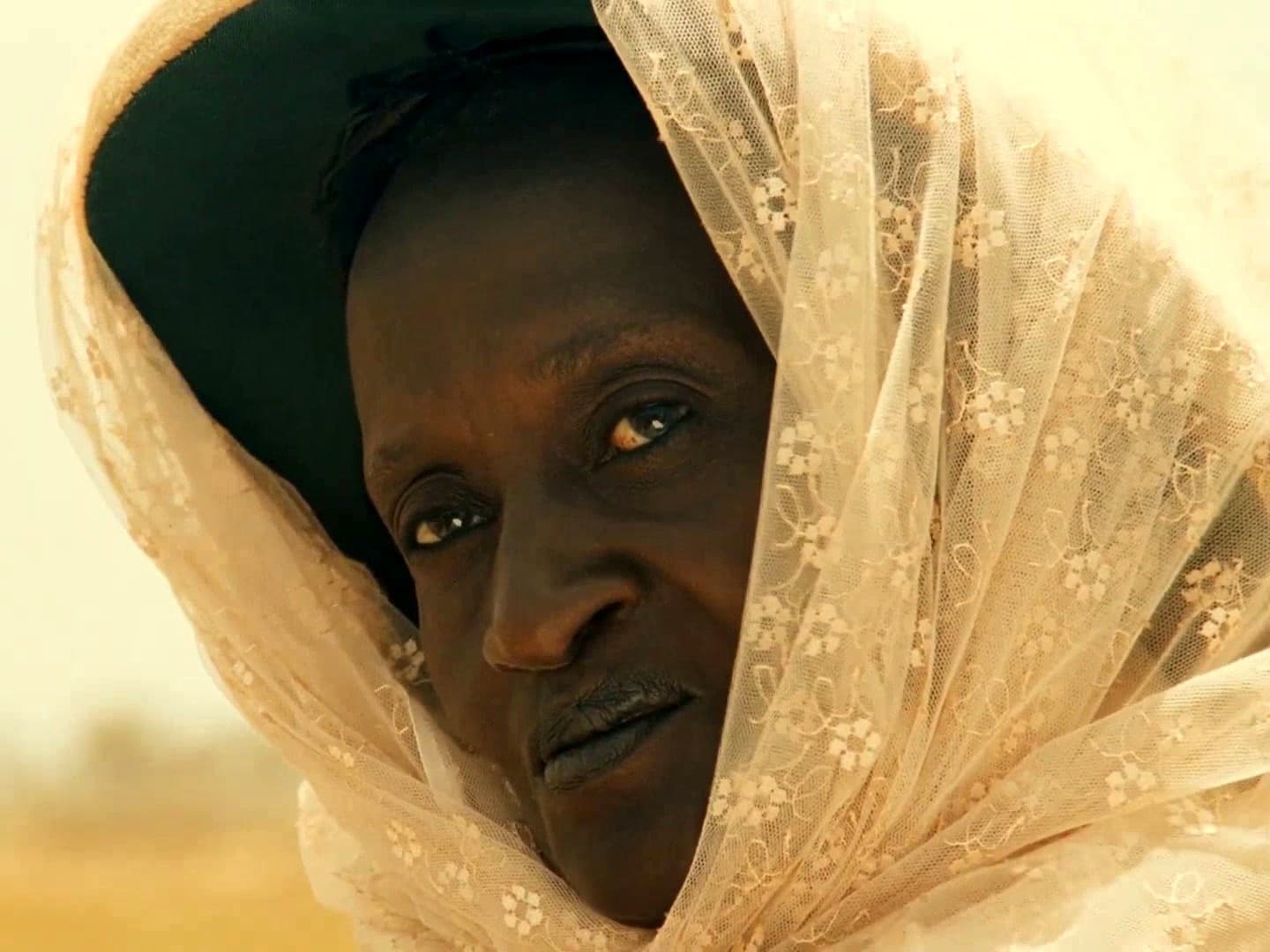
For 30 years, the small town of Colobane, drowsing in the dusty heat of the Sahel, has been mired in misery and famine. When the return of Linguère Ramatou, now a multimillionaire, is announced after three decades of absence, the town is thrown into a frenzy, envisioning better days ahead. The residents hope that the return of this old woman, "richer than the World Bank," will revive their economy and transform their lives. Linguère, majestic and dressed in black and gold, arrives with her entourage. She is welcomed like a queen by an official delegation and an ecstatic crowd, showing "the tenderness of a town reuniting with its child." They deliver a pompous speech, slyly and self-interestedly praising her benevolence and singing her praises. Unfortunately for them, Linguère has not returned out of nostalgia but for a far more subversive reason. She offers the people of Colobane a simple deal: she will give them 100 billion francs on one condition—that her former lover, the local grocer and future mayor Draman Drameh, be sentenced to death for betraying her years ago. In 1945, during a paternity trial, Draman had denied being the father of Linguère’s child and produced two false witnesses who claimed to have also slept with her. Humiliated, branded by the court’s judgment, Linguère was forced to flee the village, turning to prostitution and losing her baby, before making her fortune many years later. Today, the old woman is determined to cleanse her name until it is pure again. To the man who chose a life as a penniless grocer and imposed his own fate on her, she leaves only one alternative: death. At first outraged and under the pretext of protecting their friend, the people of Colobane reject this unacceptable offer: "We are in Africa, but the drought has not yet turned us into savages!" they protest, as Linguère sneers and tells them, "I will wait." Then, tempted by the billions, the good people of Colobane gradually change their attitude toward Draman. In the most insidious way, these "hyenas" try to make him understand that it is time to take responsibility and, without dirtying their own hands, convince him that his suicide would be the best solution for everyone. Fearing for his life, Draman seeks help from the town hall and the police, crying out about incitement to murder… but everyone turns their back on him. As is often the case in the works of Dürrenmatt (whose play The Visit is adapted here for the second time in film after Bernhard Wicki’s 1964 version with Ingrid Bergman and Anthony Quinn), the concept of responsibility is thoroughly explored: how to escape it and how, while manipulating one’s neighbor, to shift it onto them… A cruel tale of cowardice, greed, and corruption, a fierce fable about the power of money, and a metaphor for Africa’s dependence on Western aid, Hyenas ultimately reveals the hypocrisy on all sides: that of the townspeople, of course, but also that of Draman and his past mistakes, not to mention the duplicity in Linguère’s sweet-talking demeanor, driven solely by revenge. The final scene, so cruel it becomes almost comical, is particularly striking. One must see the inquisitive crowd of Colobane preparing to lynch Draman while loudly proclaiming to anyone who will listen that "IT’S FOR THE TRUTH, NOT FOR THE MONEY," convinced of the righteousness of their "friend’s" sacrifice. As Linguère repeats before savoring her victory, "The world made me a whore. I want to turn the world into a brothel." With her cruel plan executed, Linguère exposes the people of Colobane for what they truly are: hyenas who, like the vulture circling above Draman throughout the film, are simply waiting to pick up the pieces.