Society
Sunulife · Sat, Jan 25, 2025 · 2 min read
Family Dynamics in Senegal: Between Filial Duty and Financial Pressures

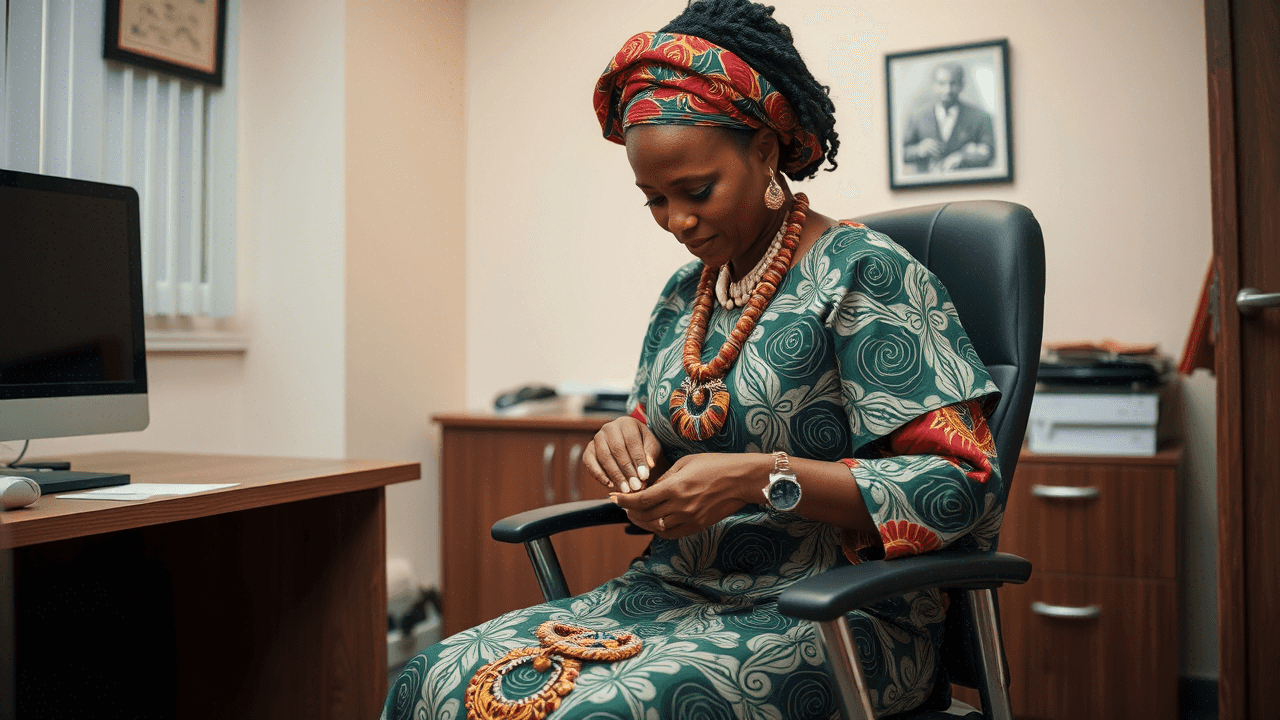
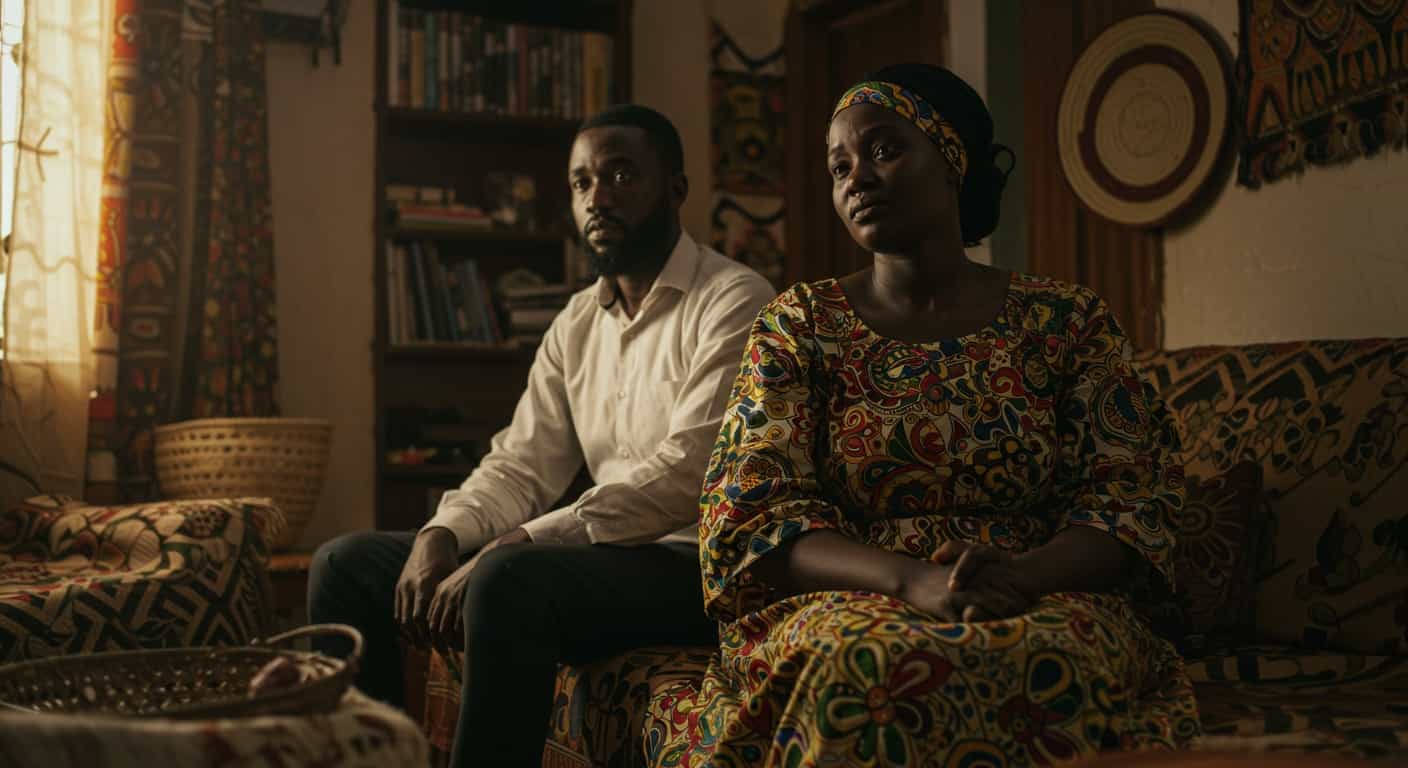
In Senegal, family occupies a central role in social life, guided by values of solidarity and intergenerational respect. However, in a socio-economic context marked by persistent inequalities and the absence of a widespread pension system, some parents—particularly mothers—may resort to emotional strategies to secure regular financial support from their children. Far from being a purely "manipulative" act, this reality is often rooted in economic necessity and deep cultural expectations. How can one navigate these situations without compromising personal finances while preserving family harmony? Understanding the Roots of "Emotional Blackmail" At the heart of this dynamic lies the concept of ndigël, a moral duty that compels children to provide for their aging parents. For many Senegalese mothers, especially in rural or low-income areas, this expectation becomes a lifeline in the face of poverty, healthcare costs, or unstable incomes. The phrase "Nga la sama doom" ("You are my child") is not always a calculated manipulation but rather a reminder of filial obligations, sometimes tinged with economic urgency. However, when these requests become excessive or guilt-inducing, they can create financial and emotional stress for children torn between their desire to help and their own limitations. Solutions to Balance Support and Financial Autonomy Transparent and Assertive Dialogue Initiate honest conversations, acknowledging family needs while explaining your constraints. For examp