
Success

Sunulife · Tue, Mar 24, 2026 · 4min read

The Soil Beneath Our Dreams: Why African Entrepreneurs Must Think Like Farmers
The Soil Beneath Our Dreams: Why African Entrepreneurs Must Think Like Farmers
Favourite

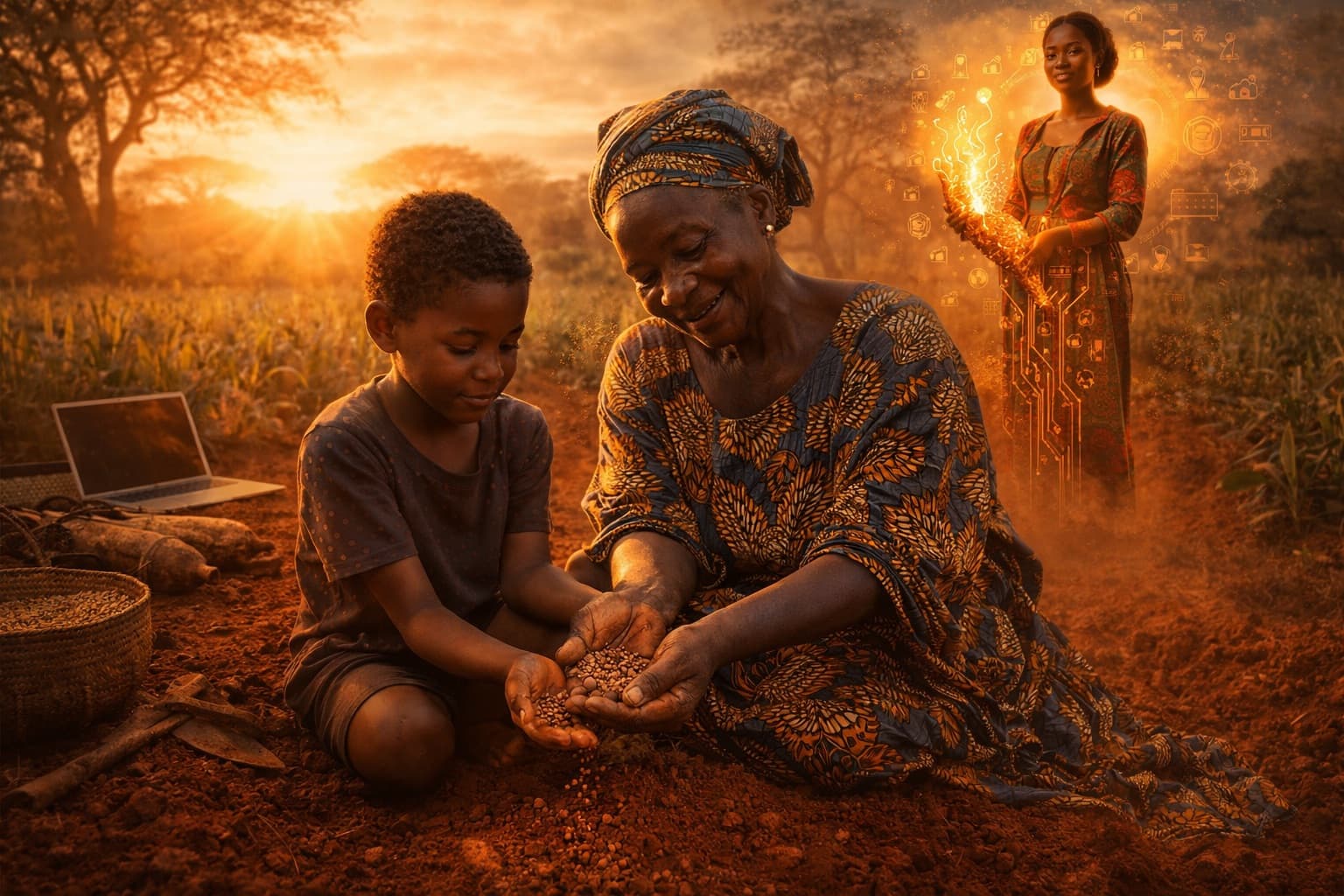
In the red earth of Kaolack, where my grandmother once planted millet with hands that knew every grain of soil, I learned my first lesson about success. She would rise before dawn, not because the world demanded it, but because the seeds she had planted demanded her presence.

“Success,” she would say, pressing dried grains into my small palm, “is not about the harvest you see today. It’s about the soil you prepare for tomorrow’s children.”

Decades later, as I watch a new generation of African entrepreneurs reshape our continent’s narrative, I understand that her wisdom holds the blueprint for enduring prosperity. The most successful among us think like farmers — patient with seasons, intimate with their terrain, and unshakeable in their belief that what they plant today will feed generations.

Consider the entrepreneur who sees cassava not as yesterday’s food but as tomorrow’s industrial revolution. She understands what my grandmother knew: that success begins with deep knowledge of your environment. Too many of us chase foreign models, planting Nordic strategies in Saharan soil, wondering why nothing grows.

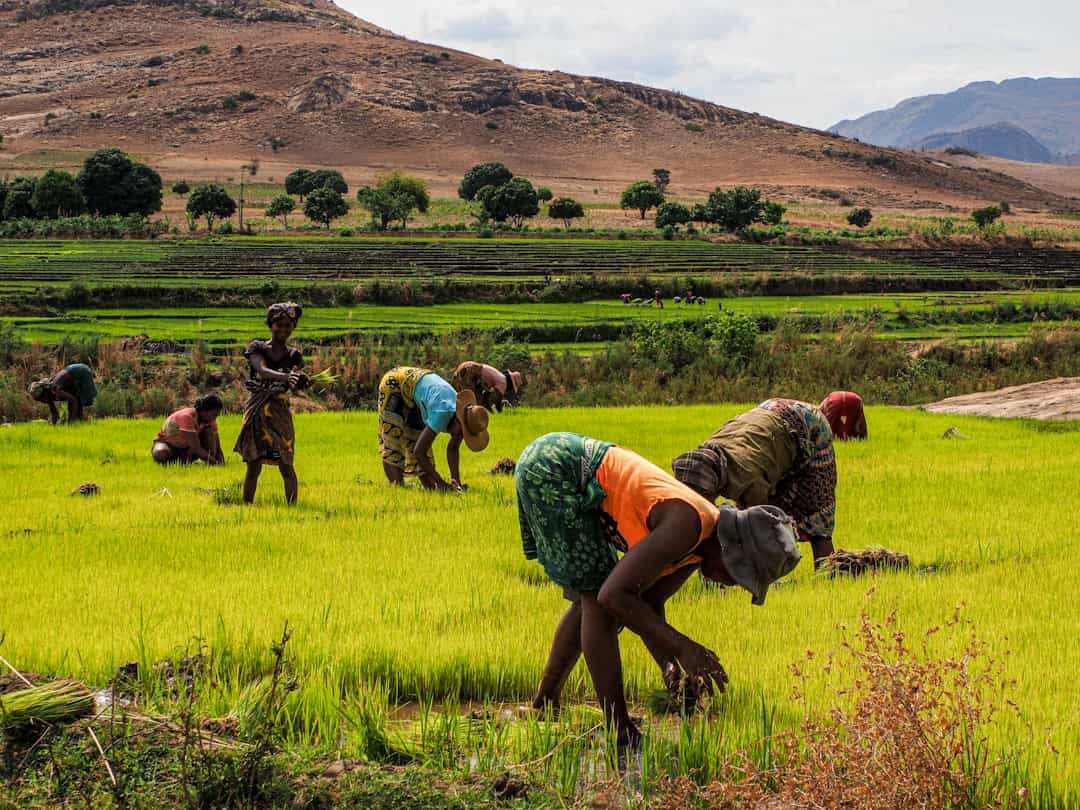
But the entrepreneur who succeeds knows her landscape. She understands that African solutions require African intuition, that our markets breathe differently, that our communities move to rhythms that cannot be found in Silicon Valley playbooks. The farmer-entrepreneur studies her soil. She knows that in Lagos, trust is built through aunties and uncles, that in Accra, business is done over shared meals, that in Nairobi, innovation springs from solving the problems that touch her neighbor’s daily life. She doesn’t apologize for these truths; she builds upon them.

Like my grandmother selecting seeds, she chooses ideas not because they’re trendy, but because they’re suited to the soil where she plants them.

Patient capital is another farmer’s wisdom our entrepreneurs must embrace. The West speaks of unicorns and overnight success, but the farmer knows that roots grow in darkness before anything breaks through the soil. The African entrepreneur who endures understands this timeline. She builds not for the next funding round, but for the next generation. She invests in relationships that will outlast any single venture, in knowledge that compounds like well-tended soil.

When setbacks come — and they will come, as surely as droughts test farmers — she doesn’t abandon her field. She adapts her methods, seeks new water sources, perhaps changes her crops, but never abandons the land she has chosen to cultivate.

This is why community remains our greatest competitive advantage. The farmer never works alone; she plants in the wisdom of those who worked the land before her, shares tools with neighbors, and teaches her children not just techniques but the deeper philosophy of cultivation. African entrepreneurs who thrive understand that success is not a solo performance but a community symphony. They build networks not just for capital, but for knowledge, for resilience, for the kind of support that sustains you when the rains don’t come on schedule.

The financial literacy that builds lasting wealth also follows the farmer’s model. She doesn’t spend all her grain at harvest time; she saves seeds for the next planting, sets aside reserves for lean seasons, and diversifies her crops to weather market changes. The successful entrepreneur thinks in seasons and cycles, understanding that cash flow, like rainfall, follows patterns that can be predicted and prepared for. She builds multiple revenue streams like a farmer plants different crops, ensuring that if one fails, others will sustain her until the next planting season.

Perhaps most importantly, the farmer-entrepreneur never forgets that her true harvest is not the grain she gathers, but the soil she leaves behind — richer, more fertile, more capable of sustaining future growth. Success, in this understanding, becomes not just personal achievement but generational investment, not just individual prosperity but community transformation.

In a world obsessed with speed and scale, we return to the wisdom held in our grandmother’s hands: success grows from understanding your soil, planting with patience, nurturing with consistency, and always, always preparing the ground for those who will inherit what we have built.