The Weight of Two Years: A Case Study from Deux ans de trop!
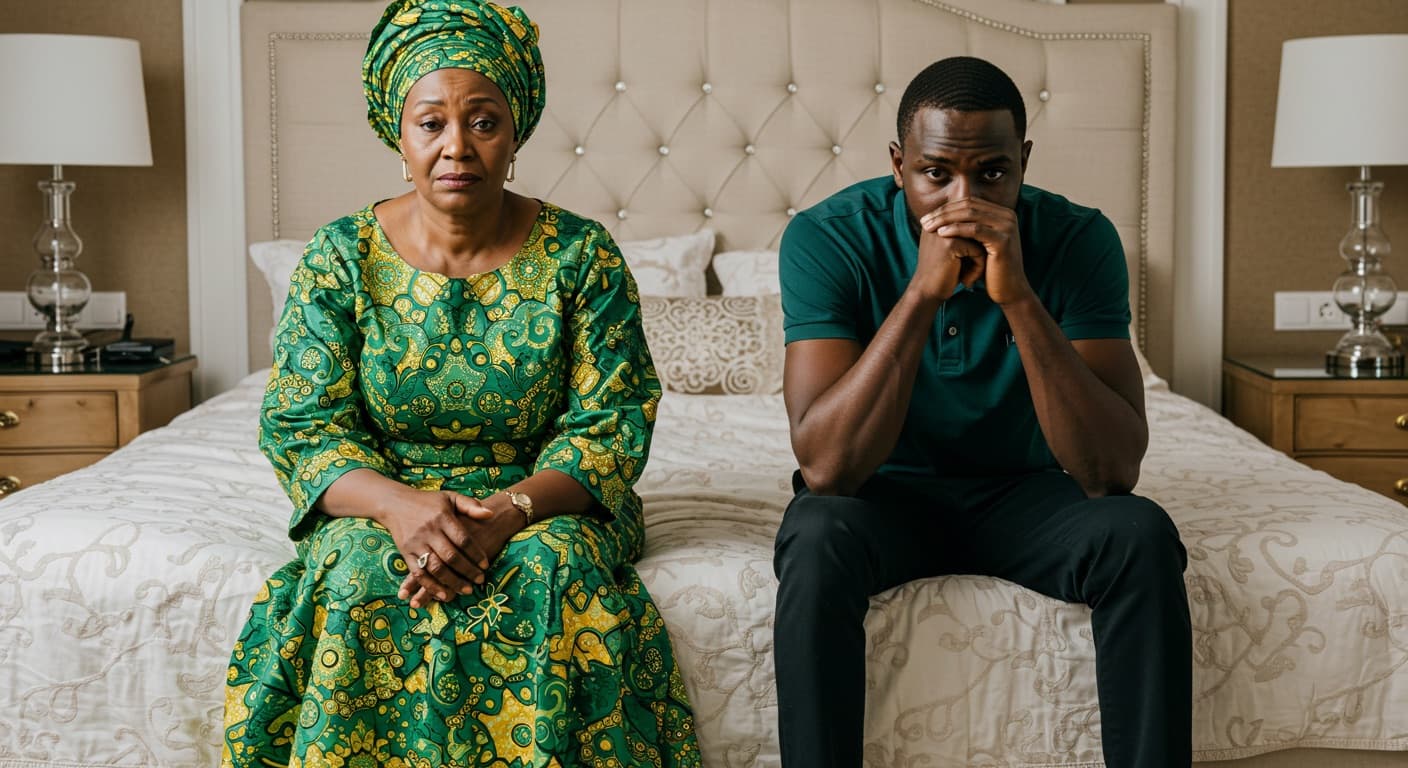
Isaac Dia’s Deux ans de trop! offers a poignant lens into this cultural dynamic through the story of ID, a young Senegalese man enamored with Amy, a woman two years his senior. Despite their mutual attraction, Amy’s hesitation to commit hinges on their age difference, fearing societal judgment and the possibility of ID seeking a younger wife later in life. Her reasoning echoes a broader sentiment in Senegalese society: a woman dating or marrying a younger man is often seen as defying natural order, inviting scrutiny, and risking future instability. But why does this two-year gap—seemingly trivial in modern, globalized contexts—carry such profound implications?
Cultural Conditioning: The Patriarchal Blueprint
Senegalese society, deeply rooted in patriarchal traditions, places significant emphasis on age as a marker of authority and stability in relationships. Historically, men were expected to be older, wiser, and financially secure providers, while women were groomed for roles as nurturers and homemakers. This blueprint, reinforced by cultural practices and religious interpretations, casts older men as ideal partners, ensuring economic and social stability for women. A younger man, like ID, is often perceived as less established, less authoritative, and potentially less capable of fulfilling these traditional roles.
This conditioning is not merely personal but communal. Amy’s fear in Deux ans de trop! that her family and society would judge her for choosing a man “the same age as her younger sister” reflects the collective gaze of a community that polices gender norms. In Senegal, where family approval is paramount, a woman’s choice to marry a younger man can be seen as a rebellion against familial expectations, risking social ostracism or diminished status. This raises a provocative question: are Senegalese women truly free to choose their partners, or are they bound by an invisible script written by tradition?
The Fear of “Coépouse”: Polygamy’s Shadow
Amy’s concern that ID might seek a younger “coépouse” (co-wife) as she ages highlights another layer of this reluctance: the specter of polygamy. Senegal’s legal and cultural acceptance of polygamy, rooted in Islamic practices, allows men to take multiple wives, often younger ones, as they age. For a woman like Amy, marrying a younger man amplifies the fear that, as her youth fades, her husband might leverage his relative youth to seek a second, younger wife, relegating her to a secondary role. This fear is not unfounded; in a society where youth and fertility are prized in women, an older wife risks losing influence in a polygamous household.
This dynamic challenges the romantic idealism of love transcending age. Why should a woman risk her emotional and social security for a younger man when societal structures incentivize men to prioritize youth? Critics might argue that this fear perpetuates a cycle of mistrust, limiting women’s agency to pursue love freely. Yet, it also underscores a harsh reality: in a patriarchal system, women’s choices are often strategic, shaped by the need to navigate power imbalances.
Societal Judgment: The Court of Public Opinion
Senegalese society is a tapestry of communal values, where individual choices are subject to collective scrutiny. A woman dating a younger man risks being labeled as desperate, manipulative, or even predatory—stereotypes that rarely afflict older men with younger partners. In Deux ans de trop!, Amy’s concern about “what people will say” reflects this pressure. The public’s gaze, amplified by gossip and social media in modern Dakar, can tarnish a woman’s reputation, impacting her family’s honor and her marriage prospects.
This double standard is glaringly hypocritical. Why is it socially acceptable for a 50-year-old man to marry a 20-year-old woman, but a 30-year-old woman dating a 28-year-old man raises eyebrows? The answer lies in gendered expectations: men’s value is tied to wealth and status, which increase with age, while women’s value is often linked to youth and beauty, which are perceived to diminish. This disparity fuels a controversial assertion: Senegalese society’s aversion to women dating younger men is less about age and more about reinforcing male dominance.
Modernity vs. Tradition: A Generational Shift?
As Senegal modernizes, with urban youth embracing globalized notions of love and equality, one might expect younger generations to challenge these norms. Yet, Deux ans de trop! suggests otherwise. Amy, a professional woman working at Ecobank, embodies modernity, yet clings to traditional fears about age differences. This paradox highlights the tension between individual aspirations and societal expectations. While education and economic independence empower Senegalese women, cultural norms remain stubborn, particularly in matters of marriage.
However, cracks in this edifice are visible. Younger Senegalese women, exposed to Western media and feminist ideals, are beginning to question why age should dictate love. Social media platforms like X reveal debates where women defend their right to date younger men, citing emotional compatibility and shared goals. Yet, these voices remain marginal, drowned out by traditionalists who view such relationships as destabilizing. This raises a contentious question: is Senegal ready to embrace a redefinition of love, or will tradition continue to trump personal choice?
The Economic Angle: Who Provides?
Economic considerations also play a role. In Senegal, where economic instability is a reality for many, women often prioritize partners who can provide financial security. Older men, presumed to be more established, are seen as safer bets. A younger man, like ID, fresh in his career at Ernst & Young, may be perceived as a riskier choice, lacking the resources to support a family. Amy’s hesitation may partly stem from this pragmatic lens: will a younger man be able to meet societal expectations as a provider?
This perspective, however, is not without critique. Why should women bear the burden of prioritizing economic stability over love? And why are younger men automatically dismissed as incapable providers? These assumptions reinforce outdated stereotypes, ignoring the ambition and potential of young professionals like ID. The controversy lies in the implication: by prioritizing older men, Senegalese women may inadvertently perpetuate a system that undervalues their own agency and the capabilities of younger men.
A Call to Challenge the Norm
The reluctance of Senegalese women to date or marry younger men, as depicted in Deux ans de trop!, is a complex interplay of cultural, social, and economic factors. It reflects a society grappling with the tension between tradition and modernity, where women navigate love within the confines of patriarchal expectations. Yet, this norm is not immutable. By questioning why a two-year age gap carries such weight, we challenge the hypocrisy of gendered standards, the fear-driven logic of polygamy, and the economic assumptions that limit choice.
Senegalese women deserve the freedom to love without fear of judgment or insecurity. Younger men, like ID, deserve to be seen as equal partners, not risks. The real controversy lies in the silence around this issue—why do we accept these norms without debate? It’s time to provoke change, to redefine love in Senegal as a choice rooted in mutual respect, not dictated by age or tradition. Will Senegal rise to this challenge, or will two years remain “too much”?