Society

Sunulife · Sat, Mar 28, 2026 · 4min read

Sons of Silence: When Senegal's Youth Write Their Own Social Contract
Sons of Silence: When Senegal's Youth Write Their Own Social Contract
Favourite

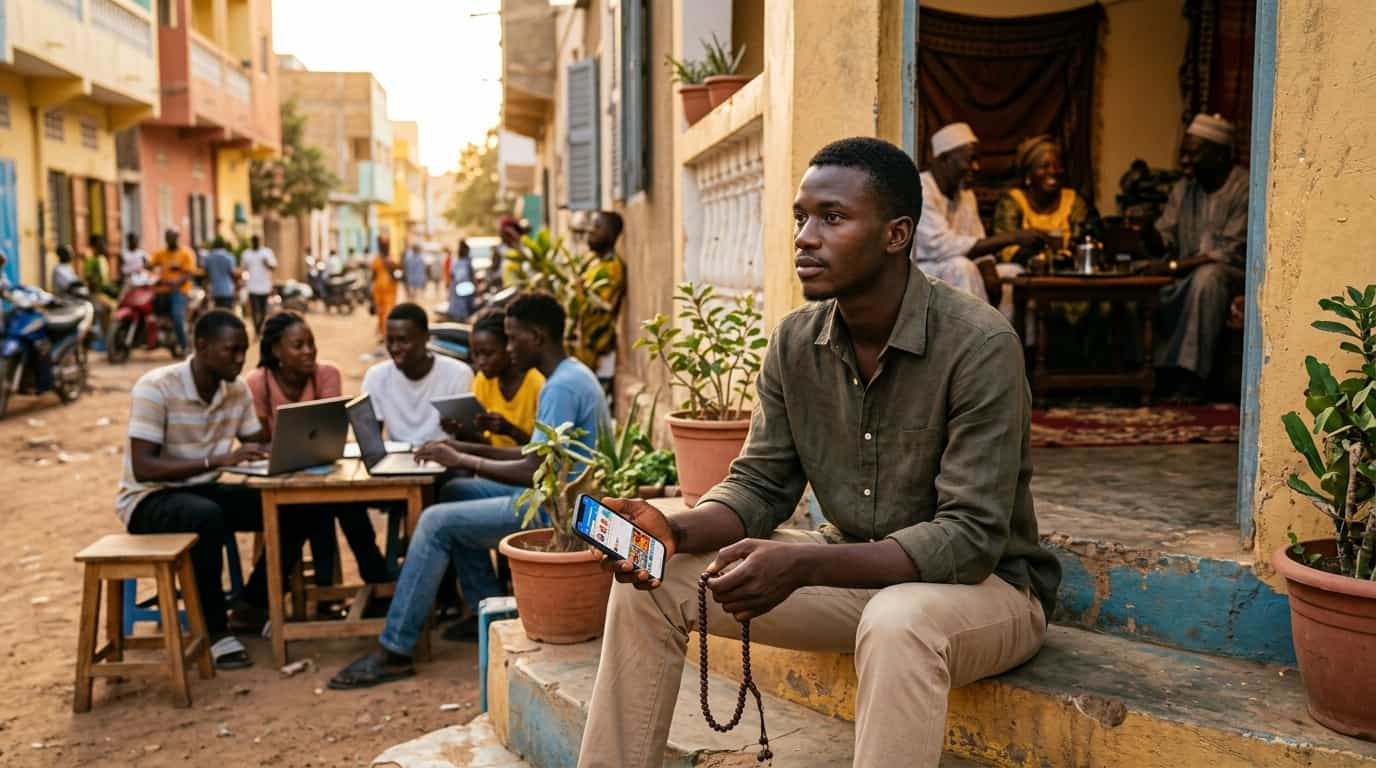
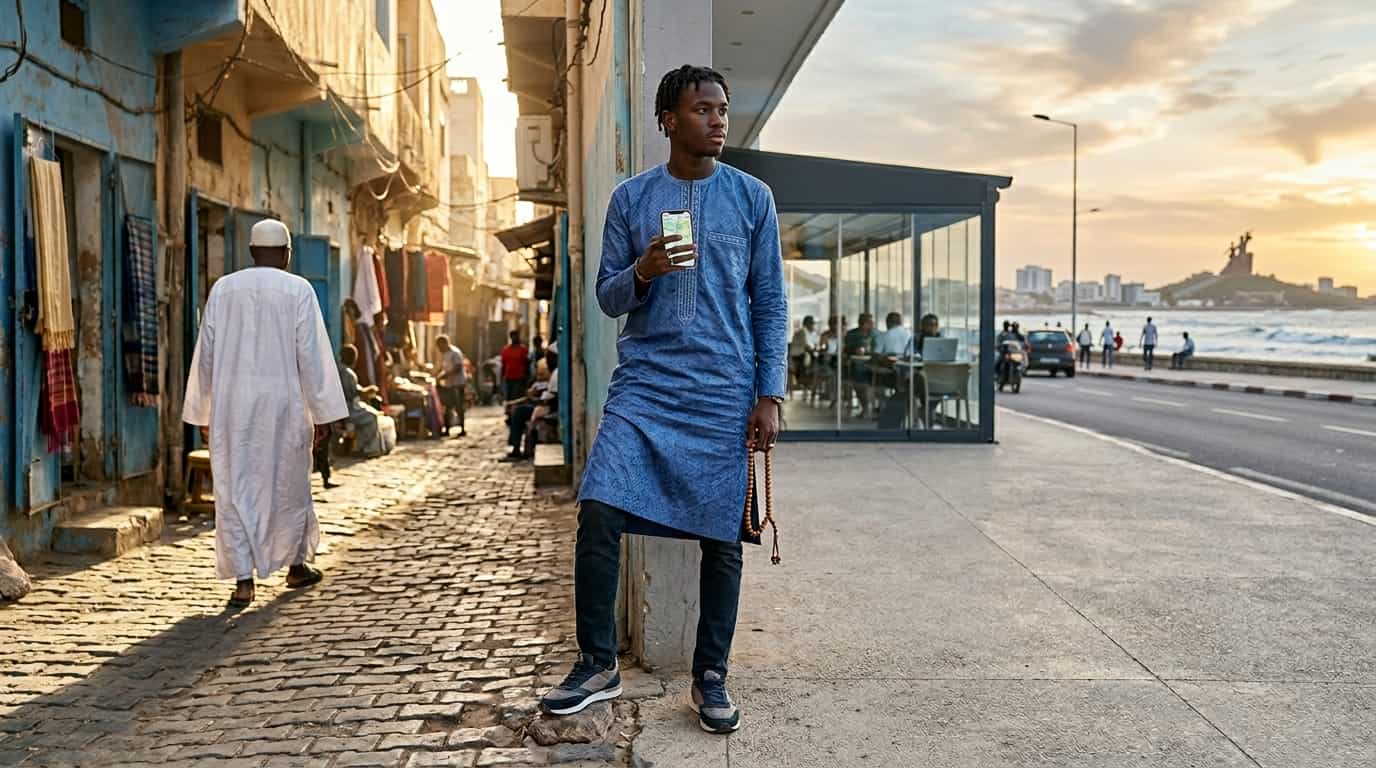
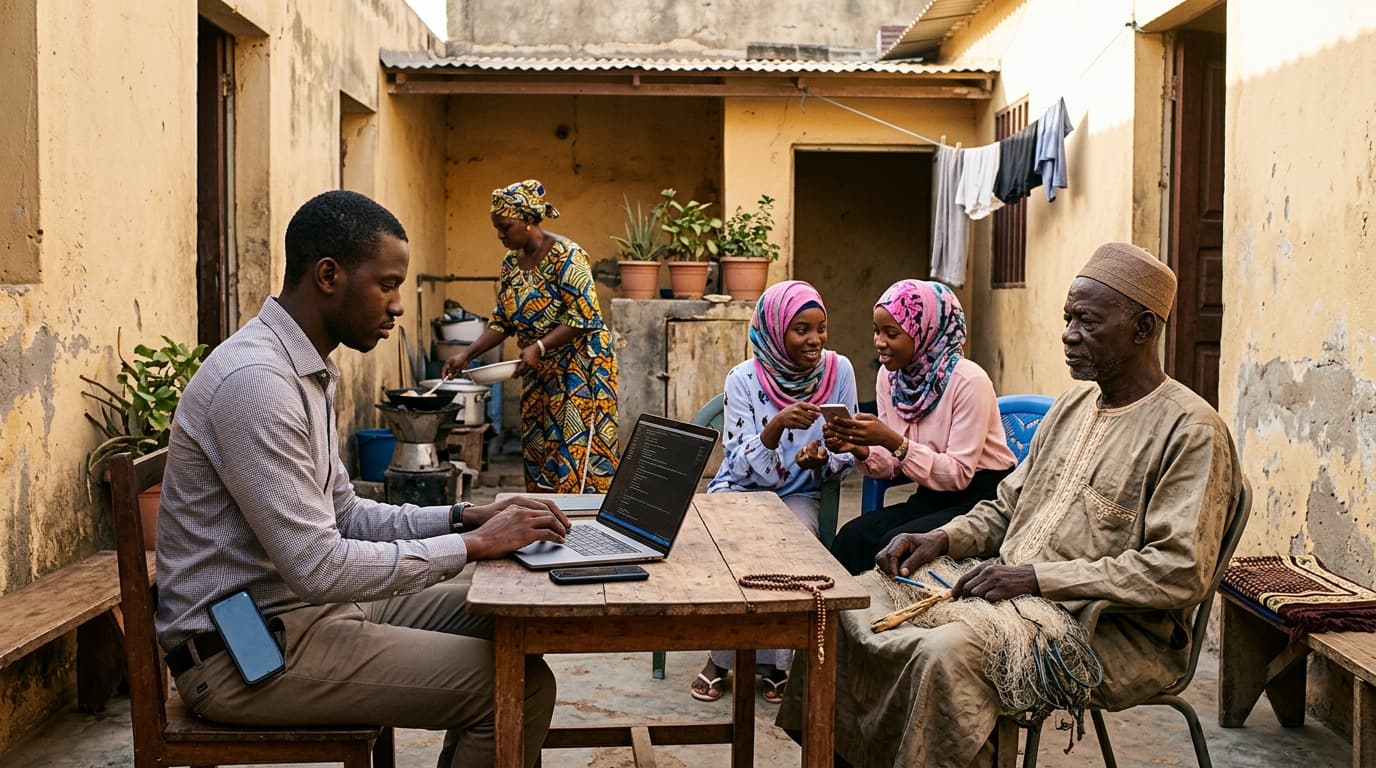
Senegal breathes to the rhythm of fertile contradictions. In Dakar, along the corniche, young women in colorful hijabs discuss philosophy on their latest smartphones, while in Touba, computer science students pray in the sacred dust of the Mouride brotherhood. This tension isn't war, but a permanent conversation—a silent negotiation redefining what it means to be Senegalese, African, modern. The family, once an immutable pillar, has become a terrain of subtle reinvention. In the Ndiaye household in Guédiawaye, three generations coexist within crumbling walls. The grandfather, a former dockworker, expects his eldest grandson to take over the family business. But this young man, with a degree in software engineering, works remotely for a French startup. He pays the bills, honors traditions, but refuses the professional inheritance. "I honor my father by supporting the household, not by repeating his steps," he confides in perfect French tinged with Wolof accent. This reinvented loyalty creates micro-fractures in the family edifice—cracks through which a new conception of duty enters. The religious and secular dance a complex tango. At Cheikh Anta Diop University, sociology students analyze sacred texts with academic rigor that would have scandalized their grandmothers. They don't reject faith, but refuse dogmatic passivity. "God gave us brains to think, not just to pray," declares Aïda, 24, between classes. This critical approach doesn't mean abandonment, but appropriation—a way to seat Islam at modernity's table without distorting it. In mosques, young imams trained in both theology and communication adapt the message to new realities, creating an Islam that listens before judging. Gender becomes the most visible theater of these transformations. Senegalese women, long confined to roles of wives and mothers, now claim full membership in public space. But their struggle doesn't take the form of imported feminism. It manifests in domestic negotiations, businesses created, doctorates earned—countless silent victories that erode patriarchies without frontal confrontation. Among men, a new masculinity emerges, more fragile, more emotional, learning to share authority without losing dignity. This youth doesn't reject its heritage—it filters it. It draws from African community solidarity to create professional support networks. It transforms the ndigël, the religious injunction, into ethical motivation for excellence. It reinterprets the concept of teranga, Senegalese hospitality, as openness to the world. Tensions abound. Between family expectations and individual aspirations, between piety and freedom, between local identity and global citizenship, each young Senegalese becomes a diplomat of the intimate. They navigate these contradictions with a grace that defies Western binary analyses. Their modernity isn't imitation, but synthesis—a cultural métissage where smartphones and prayer beads coexist without threatening each other. What's unfolding in Senegal transcends its borders. It's a laboratory of the African condition in the 21st century—a demonstration that modernity isn't an import product, but endogenous creation. Young Senegalese are writing, day by day, a new social contract: a pact where tradition is no longer a prison, but a compass; where modernity isn't rupture, but reinvented continuity. In the silence of their daily choices, in the discretion of their intimate revolutions, they respond to their era's challenges without fanfare or manifesto. Their weapon isn't confrontation, but perseverance—their battlefield isn't the public square, but the complexity of being. And perhaps it's in this asymmetric war against inherited certainties that tomorrow's Africa is being forged: an Africa that advances while looking back, that innovates while preserving, that changes while remaining faithful to itself. The austerity here isn't economic, but existential—a disciplined negotiation between competing truths. Unlike students elsewhere facing literal barriers, Senegal's youth confront metaphysical borders, crossing them not with visas but with nuanced compromises. Their emergency brake isn't applied to movement, but to thoughtless rupture. They listen to ancestral wisdom while composing new melodies, creating what African scholars have long advocated: authentic African modernities that don't require cultural surrender. In this quiet renegotiation of society's terms, we witness not decline, but profound evolution—the kind that happens not in headlines, but in homes; not in declarations, but in daily living. The sons and daughters of silence are speaking through their lives, and Senegal is listening.