Perspectives
Sunulife · Thu, Oct 8, 2026 · 2 min read
Senegal‑IMF: Repairing Debt or Perpetuating the Cycle?
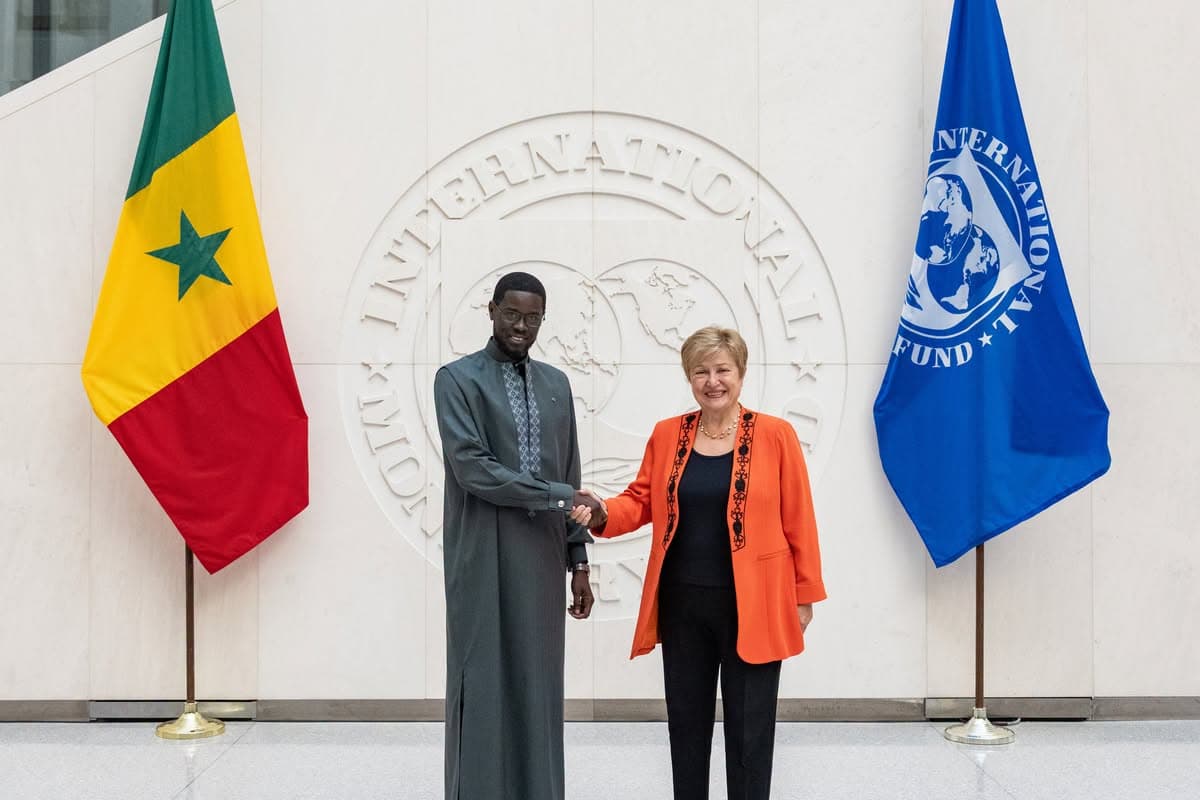
Senegal stands at a crossroads. After discovering a revised public debt of 132% of GDP, a refinancing need of $11.6 billion in 2026, and a debt service absorbing 25% of tax revenues, the country is preparing to accept a new IMF program. The paradox is striking: the Bretton Woods institution intervenes to resolve a crisis whose magnitude it had not anticipated, even though it has accompanied Senegal for decades. How could its surveillance have failed to detect such deep vulnerability earlier? The envisaged program, about $2.2 billion over 36 months under the Extended Credit Facility, rests on classic fiscal consolidation: deficit reduction, spending control, energy subsidy reform, and privatizations. These measures, presented as necessary, risk reproducing the errors of the structural adjustment plans of the 1980s. Senegal could pay twice: for past mistakes and for their correction. The IMF’s logic stabilizes the financial cycle but ignores the productive cycle. The government’s goal should be to exit the spiral of debt, crisis, adjustment, and restructuring—not to perpetuate it. The Economic and Social Recovery Plan (PRES) led by former Prime Minister Ousmane Sonko was based on a clear principle: subordinate any external program to national priorities. It aimed to structurally transform the economy to strengthen autonomy, avoiding the vicious circle of dependency: weak productive transformation, deficit, debt, adjustment, insufficient investment, new debt. Today, the risk is