Sunulife · Fri, Apr 24, 2026 · 5 min read
The Art of Strategic Patience: When African Excellence Rejects the Ephemeral Race
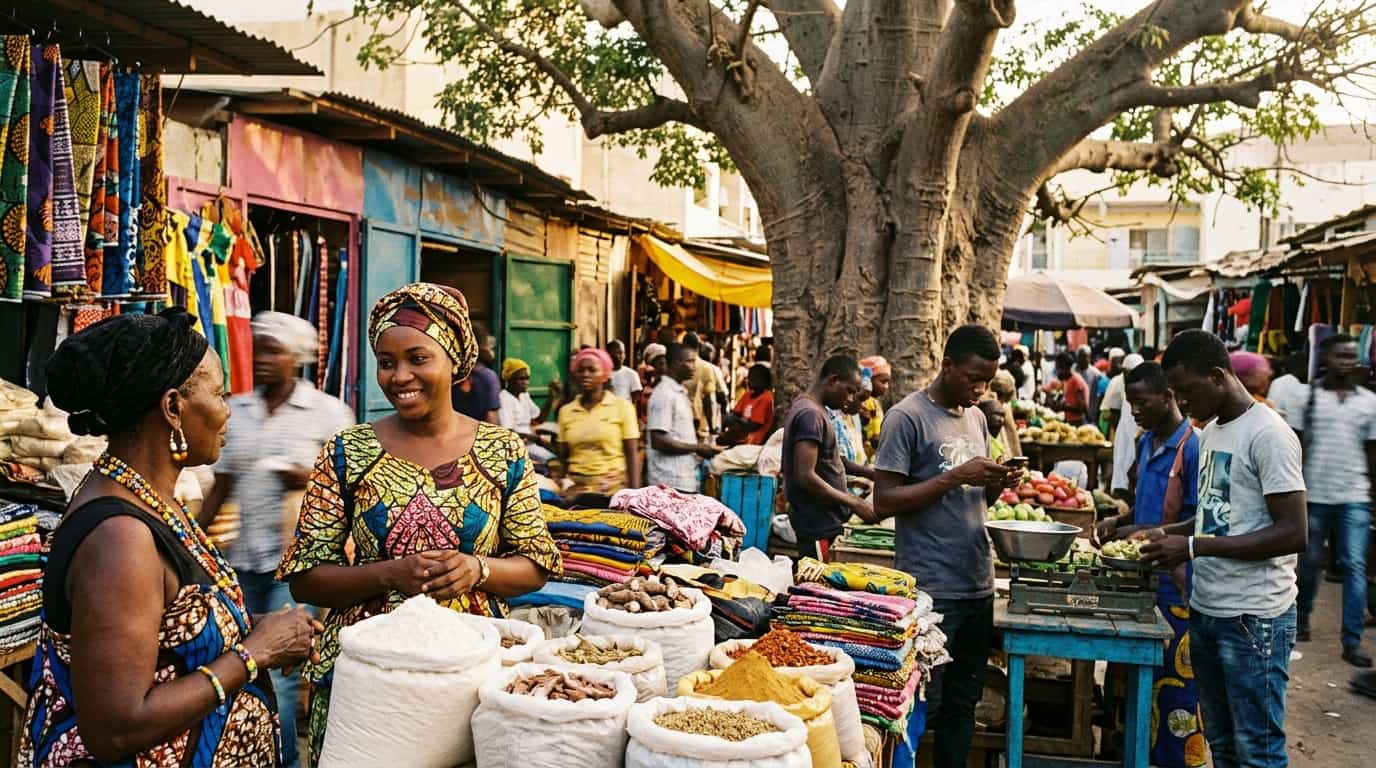
There exists a silent disease infecting contemporary African dreams: strategic impatience. We live in the era of unicorns announced before their first step, funds raised as trophies, headlines celebrating billions before millions are even consolidated. And yet, behind the scenes of this frenzy, another story is being written – quieter, deeper, more enduring. It's the story of those who understood that African excellence isn't measured by the speed of ascent, but by the solidity of foundations. Consider Aisha Diallo, the Senegalese entrepreneur who refused three acquisition offers before her fintech company was five years old. "They wanted to buy my dream before I even finished dreaming it," she confides, her gaze as calm as the Senegal River waters in dry season. While others celebrated record funding rounds, she spent her nights understanding why women in Kaolack still preferred hiding money under mattresses rather than in an app. She visited thirty-seven villages, shared tea with two hundred market women, listened to fears passed from mother to daughter. Only after three years did she launch Nafa, a platform that now serves two million users across West Africa. "Technology wasn't the problem," she explains. "The problem was trust. And trust cannot be bought with Silicon Valley dollars. It's earned, drop by drop, like rain that eventually penetrates the hardest earth." This philosophy of strategic patience manifests everywhere you look carefully. In Ghana, Kwame Osei spent seven years building a network of micro-investors in the diaspora before launching his fund. Seven years of late-night conversations with nurses in London, engineers in Toronto, doctors in Atlanta. Seven years explaining, convincing, reassuring. Today, his fund might not top the charts for fastest raises, but it possesses something more valuable: a community of five thousand investors who believe in his vision for Africa, and who will still believe in ten years, twenty years, fifty years. Strategic patience isn't passivity. It's quite the opposite – the most demanding activity there is. It's the courage to say no to seductive shortcuts. It's the discipline to build your own ecosystem rather than borrowing someone else's. It's the wisdom to understand that African problems require African solutions – and that these solutions need time to mature, like fruit on the tree. Look at the businesswomen transforming the continent's agro-industry. They don't speak of disruption, but of continuity. They don't promise to revolutionize agriculture in six months, but to improve yields by 5% annually for twenty years. Their ambition is mathematical: 5% annual growth over twenty years equals 165% total growth. Silent, constant, irreversible. It's this same patience that enables a Tanzanian entrepreneur to build an empire in animal feed, not by importing foreign solutions, but by first understanding what Lake Victoria's fish eat, and how the women who catch them could also feed them. In personal finance, this patience takes the form of slow but deep education. The most successful apps aren't those promising to make you rich quickly, but those teaching you to become rich slowly. They understand that for populations long excluded from formal financial systems, the first step isn't sophisticated investment, but simply understanding time's value in the wealth equation. The diaspora investing back home perhaps best embodies this virtue of strategic patience. After years observing the continent from outside, these sons and daughters of Africa return with a unique perspective: they see both the potential and the pitfalls. Their investments are rarely short-term bets. They're generational commitments, sometimes spanning two generations. They plant trees knowing they'll never sit in their shade.
This approach demands redefining what success means in Africa today. Success is no longer just about numbers on a dashboard, but about roots penetrating deep into the continent's economic and social soil. It's success that inherits the patience of ancestors who knew to wait for the rainy season, but combines it with the fierce ambition of those building the future.
True African leadership in the 21st century will therefore belong to those mastering this delicate art: being impatient enough to dream of radical transformations, but patient enough to build them brick by brick. Being ambitious enough to aim for the stars, but wise enough to know you must first build the ladder – and that this construction takes time.
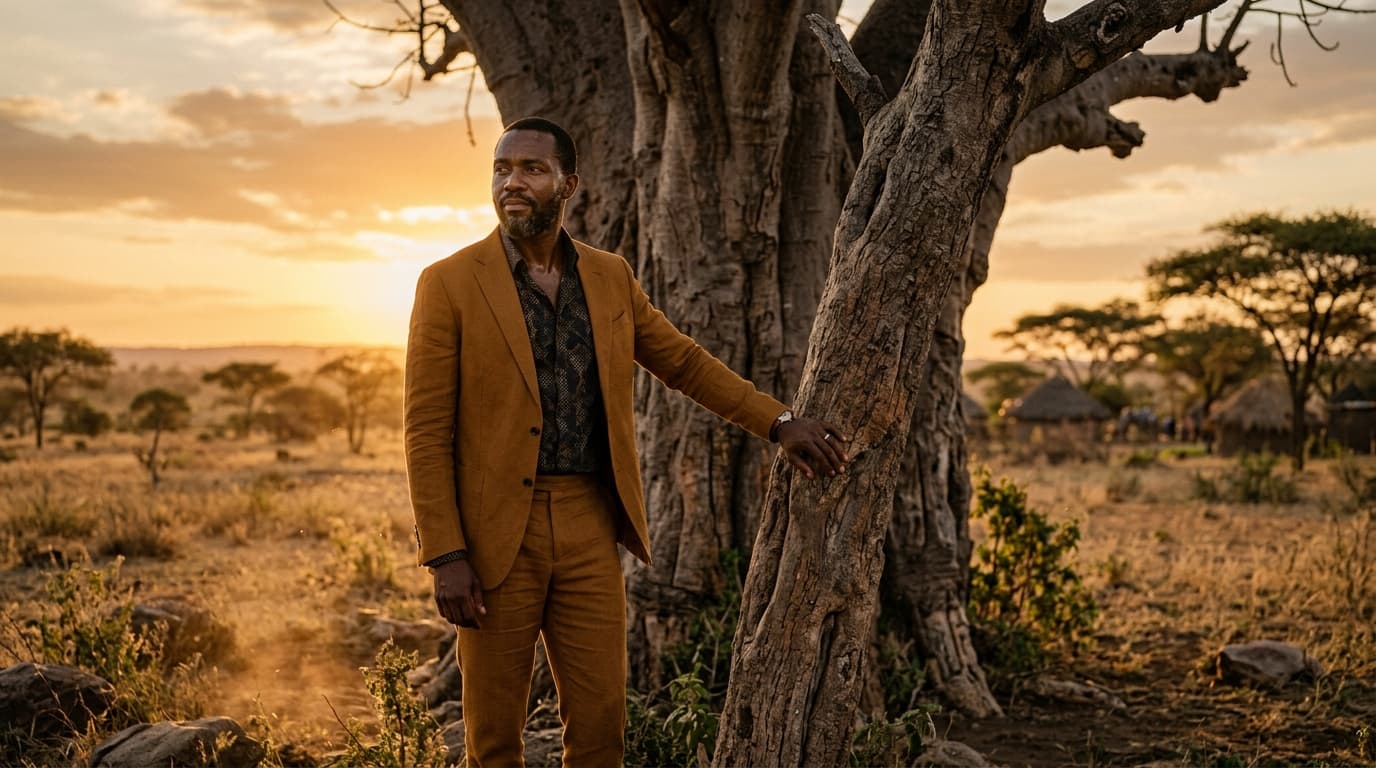
In a world celebrating speed, Africa reminds us of an essential truth: the most enduring things are never those that happen fastest. Baobabs don't grow in a day. Civilizations aren't built in one funding cycle. And excellence – true excellence – refuses to rush. It prefers to take its time, sink roots, then grow so tall that no one can ignore it anymore.
So to those building Africa's tomorrow, I say this: beware of early applause. Projects that mature slowly often bear the sweetest fruit. Your patience isn't a lack of ambition – it's quite the opposite, the most radical ambition possible. It's the choice to build something that will outlast you, outlast financial trends, outlast economic cycles. It's the choice to build for centuries, not for quarters. And in this choice lies perhaps the most beautiful African success of all: one that transforms not only businesses, but mentalities; not only economies, but destinies.