Society
Sunulife · Thu, Jun 4, 2026 · 2 min read
The Loyalty Dilemma: When the Idol Falls, What Remains of the Sacred Bond?
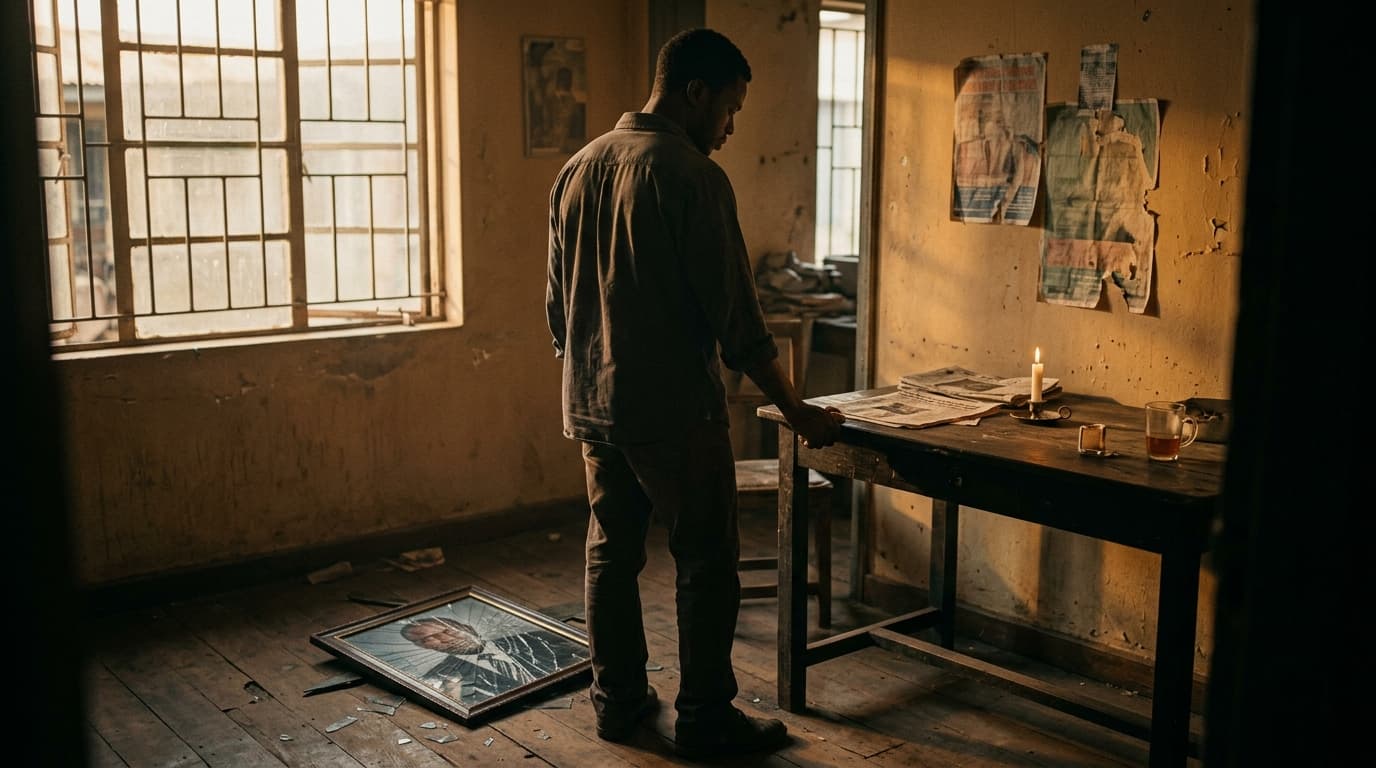
A few weeks ago, a shockwave rippled through Senegal's social media. An adored artist, icon of a generation, was accused of sexual assault by several young women. The news, first whispered, then amplified by chilling testimonies, split public opinion into two irreconcilable camps. On one side, those demanding justice and truth. On the other, an army of fans ready to defend their idol at all costs, denying the facts, accusing the victims of lying, of manipulation, of wanting to destroy a man who 'never hurt anyone.' How to explain this unwavering loyalty, this inability to see the crack in the marble? This phenomenon is not unique to Senegal, nor to Africa. It is part of a universal mechanism of attachment to public figures. But here it takes on a particular hue, tinged with power relations, the sacred, and community. The artist, the religious leader, the footballer, are not mere celebrities. They are symbolic pillars, embodiments of success, pride, sometimes even salvation. In a context where avenues for social recognition are narrow, the idol becomes a beacon. To attack it is to threaten the light that guides its disciples. This blind loyalty finds its roots in what French sociologist Michel Maffesoli calls the 'emotional community.' Fans are not mere consumers; they form a tribe bound by shared affects. The idol is not a product but a totem. The accusation of rape is not a criminal act but a desecration. Therefore, the reaction is not to judge the evidence but to defend the