Sunulife · Thu, Apr 2, 2026 · 4 min read
Between Two Worlds: Senegalese Youth and the Weight of Expectations
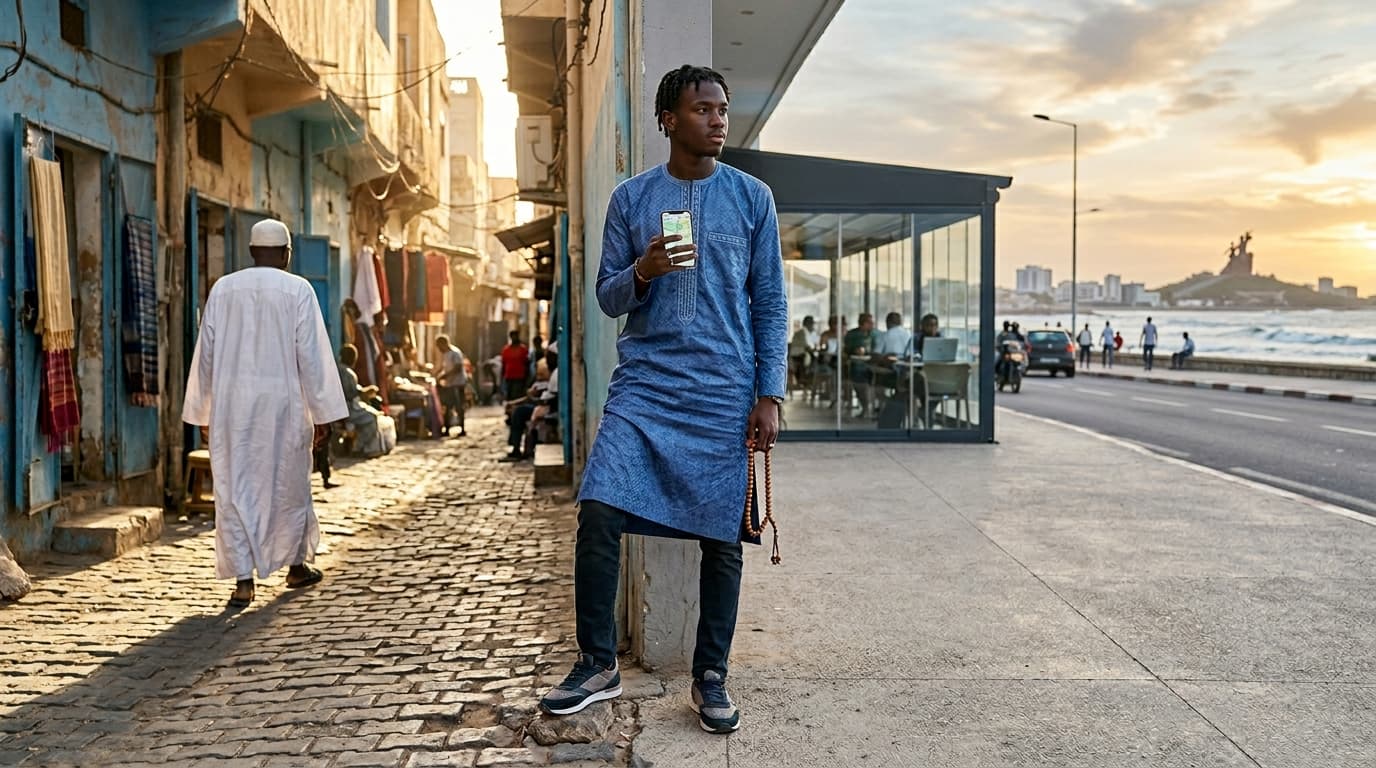
The afternoon sun washes over the ochre walls of Dakar's Medina, where the calls of market women blend with the echoes of prayer. Here, in this labyrinth of streets where history breathes at every corner, Aïda, twenty-four years old, is completing her law degree. The only daughter of a devout family, she wears her headscarf with elegance, but on her phone, she follows feminist accounts and dreams of starting her own business. "At home, they talk about marriage, about stability," she explains, her gaze both gentle and determined. "But I want to spread my wings first." This tension between the individual and the collective, between personal aspiration and familial duty, lies at the heart of the silent transformations reshaping Senegalese society. The family remains the intangible pillar, a fortress of solidarity and constraints. In the Ndiaye household in Guédiawaye, three generations live under one roof. The patriarch, a retired civil servant, ensures customs are respected: young men must provide for their elders, young women must prepare for the roles of wife and mother. But upstairs, in their rooms, his grandchildren exchange encrypted WhatsApp messages, follow tutorials to launch startups, or debate women's place in public life. "My grandfather thinks modernity is a threat," confides Mamadou, twenty-two, a computer science student. "For us, it's an opportunity to reconcile our roots with our ambitions." Religion, ever-present, weaves its web between these two worlds. Senegal, predominantly Sufi, lives to the rhythm of brotherhoods, pilgrimages, and values of solidarity. Yet in mosques, imams worry about rising individualism, while in universities, young people question rigid interpretations of sacred texts. Fatou, twenty-six, a sociology researcher, wears the hijab but advocates for a contextual reading of the Quran. "Faith is not a straitjacket," she asserts. "It can be a guide to building a fairer society, where women have their place." This search for an Islam rooted in modernity, open to dialogue, is one of the most subtle projects of this generation.
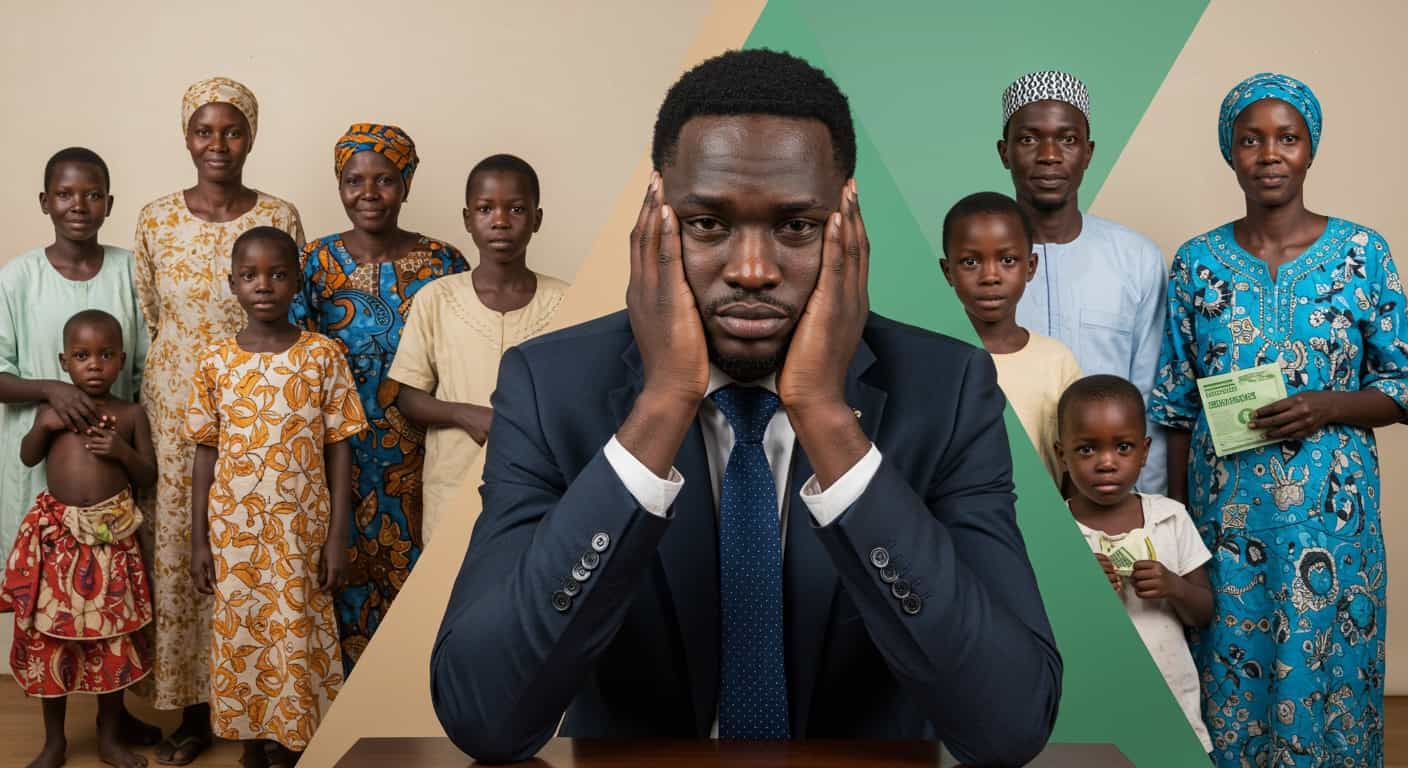
Tensions sometimes erupt into the open, particularly around gender. Senegalese women, long confined to domestic roles, are now flooding into education and the workforce. They are doctors, entrepreneurs, artists. But the weight of social norms remains heavy: pressure to marry young, the mental load of household duties, disapproving glances toward those who choose career over family. "They tell us to be strong, but not too strong," summarizes Aïda, with a hint of bitterness. "We must find the balance between professional success and respect for traditions."
This quest for balance may be the common thread of this generation. They do not reject the past, but reinterpret it in the light of their dreams. In the cybercafés of Pikine, young people are launching connected agricultural cooperatives, blending ancestral knowledge with new technologies. In the tailoring workshops of Ouakam, designers are reinventing wax fabric, a symbol of identity, into contemporary clothing. "Africa doesn't have to choose between tradition and modernity," believes Mamadou. "It can invent its own synthesis."
Yet the path is fraught with obstacles. Youth unemployment, endemic, fuels frustration and exodus. Many leave to try their luck in Europe, risking disconnection from their roots. Those who stay must navigate often rigid institutions, an outdated education system, and sometimes suffocating family expectations. "We're like tightrope walkers," whispers Fatou. "We move forward on a wire, between two chasms: one of self-erasure, the other of rupture with our kin."
But it is precisely in this tension that the creativity of this youth resides. They are learning to negotiate, to invent compromises, to build bridges between generations. In the Ndiaye home, Mamadou convinced his grandfather to start an organic vegetable garden, sold through an online platform. The patriarch, proud, sees it as perpetuating agrarian values; the grandson, as a first step toward entrepreneurship. "That's today's Africa," concludes Aïda, a smile on her lips. "We don't break, we transform. We take what is good from the past to build the future."
In Dakar's streets at dusk, smartphone lights twinkle like fireflies, while the voices of griots still resonate. Between these two lights, a generation is writing, day by day, a new page of Senegalese history—fragile and resolutely alive.