Society

Sunulife · Fri, Jul 11, 2025 · 5min read

Aphrodisiacs in Senegal: Between Tradition and Modernity
Aphrodisiacs in Senegal: Between Tradition and Modernity
Favourite

Introduction

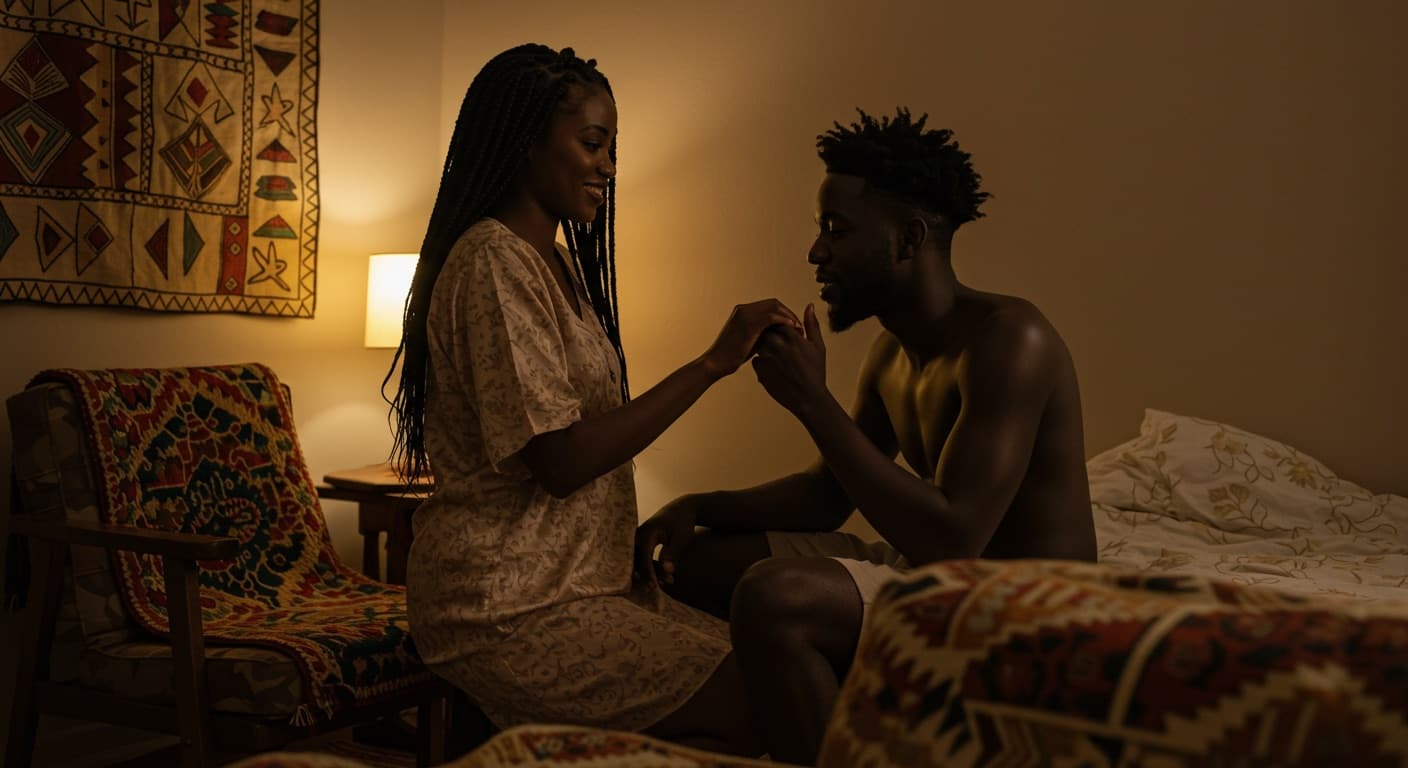
In Senegal, the pursuit of intimate fulfillment is both a personal and deeply cultural endeavor. Aphrodisiacs, whether derived from modern pharmacology or traditional remedies, play a central role in the dynamics of relationships. In a country where honor, virility, and marital fidelity are significant social values, men and women turn to a variety of solutions to reignite passion or overcome sexual challenges. This article delves into the use of aphrodisiacs in Senegal, highlighting practices, motivations, and the interplay between tradition and modernity, through testimonies gathered in Dakar.

A Romantic Setting: The African Renaissance Monument

As the sun sets over Dakar, the African Renaissance Monument in Ouakam transforms into a hub of romance and community. Couples hold hands on benches, athletes train, and families enjoy the stunning view of the Atlantic Ocean, with the Ngor lighthouse in the distance. This iconic location in Senegal’s capital provides a natural backdrop for conversations about love and intimacy. It is here that we meet a couple: a man in his forties, dark-skinned and tall, showing the area to his younger, light-skinned partner. When asked about aphrodisiacs, the young woman, visibly embarrassed, steps away with a shy smile: “Aphrodisiacs? You journalists really talk about everything!” The man, after some hesitation, shares: “For me, it’s ginger—simple, natural, and it works. She has her own tricks, but I prefer her to stay natural.” His response highlights a preference for natural remedies, a common practice in Senegal, where traditional solutions like ginger or medicinal roots are widely embraced.

Men and Aphrodisiacs: Restoring Virility

For many Senegalese men, sexual dysfunction, such as erectile issues, is perceived as a blow to their honor and role within the relationship, particularly in a society where polygamy is prevalent. Modou Fall, 35, a polygamous man, explains: “I use Rénu king, medicinal roots I buy at Tilène market for 700 CFA per sachet. It restored my virility, and I keep a steady supply to satisfy all my wives.” His reliance on traditional remedies reflects a trust in ancestral knowledge, which is often more accessible and culturally rooted than modern pharmaceuticals. Other men turn to modern medicine. A man in his fifties, met near the monument, shares: “When I started struggling to maintain a firm erection, I thought it was over because of my hypertension. My doctor prescribed Viagra, and the results are satisfying, thank God.” This testimony underscores the growing acceptance of Western medicine in Senegal, particularly among those with access to modern healthcare. Some, like a man encountered outside Brioche Dorée, combine both approaches: “When I regained my libido, I wasn’t sure if it was the pharmacy aphrodisiacs or the traditional ones that worked. I used both. What matters is that I regained my honor.” This hybrid approach is common, reflecting a Senegalese society in transition, where tradition and modernity coexist in the pursuit of intimate well-being.

Women and Aphrodisiacs: Spicing Up and Retaining

While men often seek to address “failures,” Senegalese women use aphrodisiacs to enhance their allure and retain their partners. Marième Sy, 29, a mother, shares: “Aphrodisiacs spice up the relationship. I use them to send my husband to cloud nine. Routine kills love, and each aphrodisiac has its effect.” She adds with a hint of regret: “I learned this too late, after a co-wife joined us. But now, I make my moments with him more intense.” Not all women embrace these practices. A fish vendor laments: “I’m allergic to Saf safal. It causes vaginal infections, and the treatments are expensive. I stick to incense and erotic outfits.” Similarly, Khoudia Fall, a teacher, asserts: “I don’t need aphrodisiacs. I have my own tricks: incense, beads, lingerie, perfumes—that’s enough.” Antia Coly, a restaurateur, prefers simpler options like mint leaves: “They’re accessible, safe, and effective.” These accounts reveal a diversity of approaches among Senegalese women. Some adopt traditional practices like Saf safal or beads, while others favor natural or modern alternatives, often driven by health concerns or personal preferences.

Between Tradition and Modernity: An Evolving Society

The use of aphrodisiacs in Senegal reflects the tensions and synergies between tradition and modernity. Markets like Tilène or Sandaga brim with roots, herbs, and potions sold by traditional healers, often at affordable prices. Meanwhile, pharmacies offer modern solutions like Viagra, though their cost and accessibility limit their use to a select group. This duality is also evident in motivations: men seek to restore virility, while women aim to maintain harmony and passion in relationships. In a Senegalese context where sexuality remains a sensitive topic, discussed with discretion, aphrodisiacs serve as a bridge between social expectations and personal desires. They embody a quest for balance between honor, pleasure, and health in a society shaped by polygamy, social pressures, and economic challenges.

Conclusion

Aphrodisiacs, whether traditional or modern, hold a significant place in the intimate lives of Senegalese people. Through the stories of men and women in Dakar, we see a society navigating between cultural heritage and modern influences, striving to reconcile the demands of honor, health, and passion. Whether through ginger, Rénu king, Viagra, or beads, each choice reflects a personal story and a collective vision of love and intimacy in Senegal.