
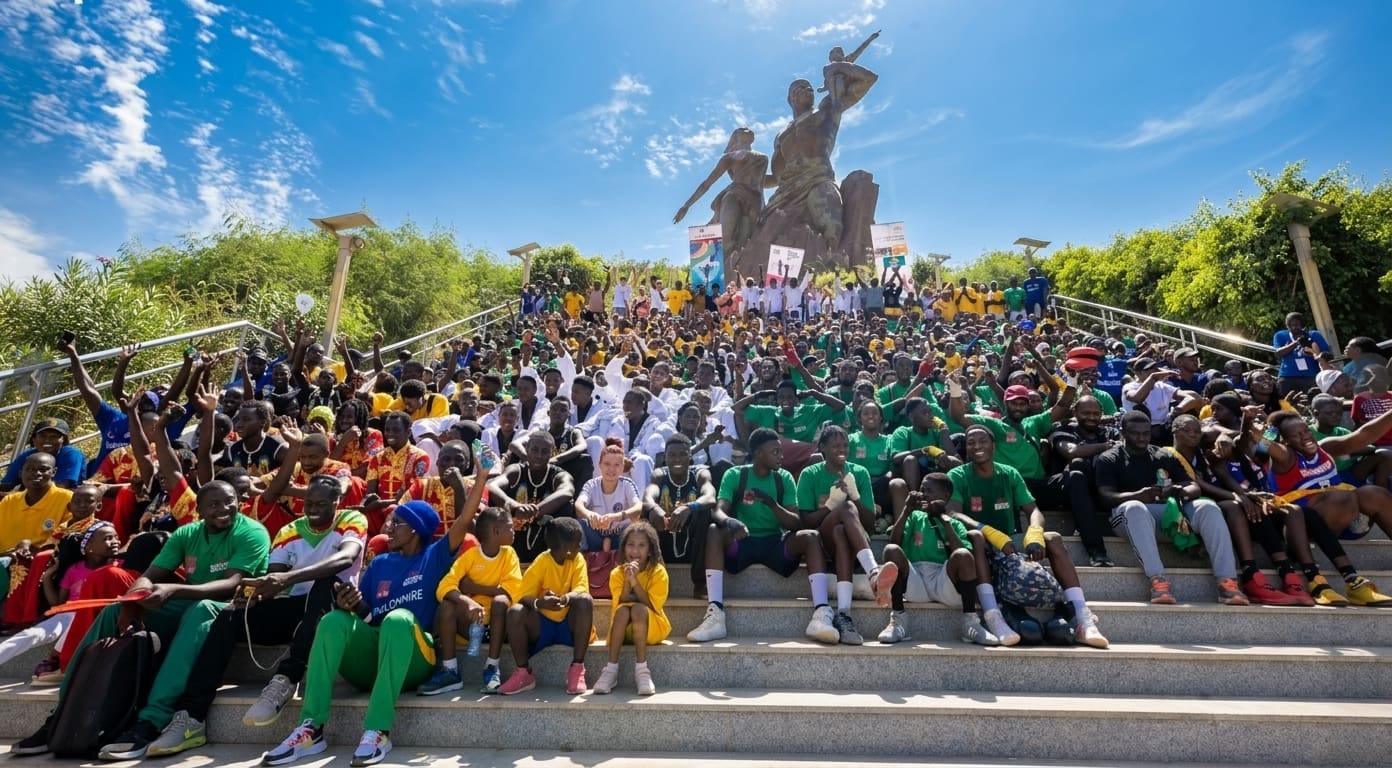
Diamniadio after the Flame: What Dakar 2026 Will Really Leave Behind
Ahead of Dakar’s 2026 Youth Olympic Games, President Bassirou Diomaye Faye framed the event as a chance to build a sporting youth and a real sports economy. Yet the article asks whether Diamniadio’s new and renovated facilities will serve young people and communities after the athletes leave, and in whose hands they will remain.
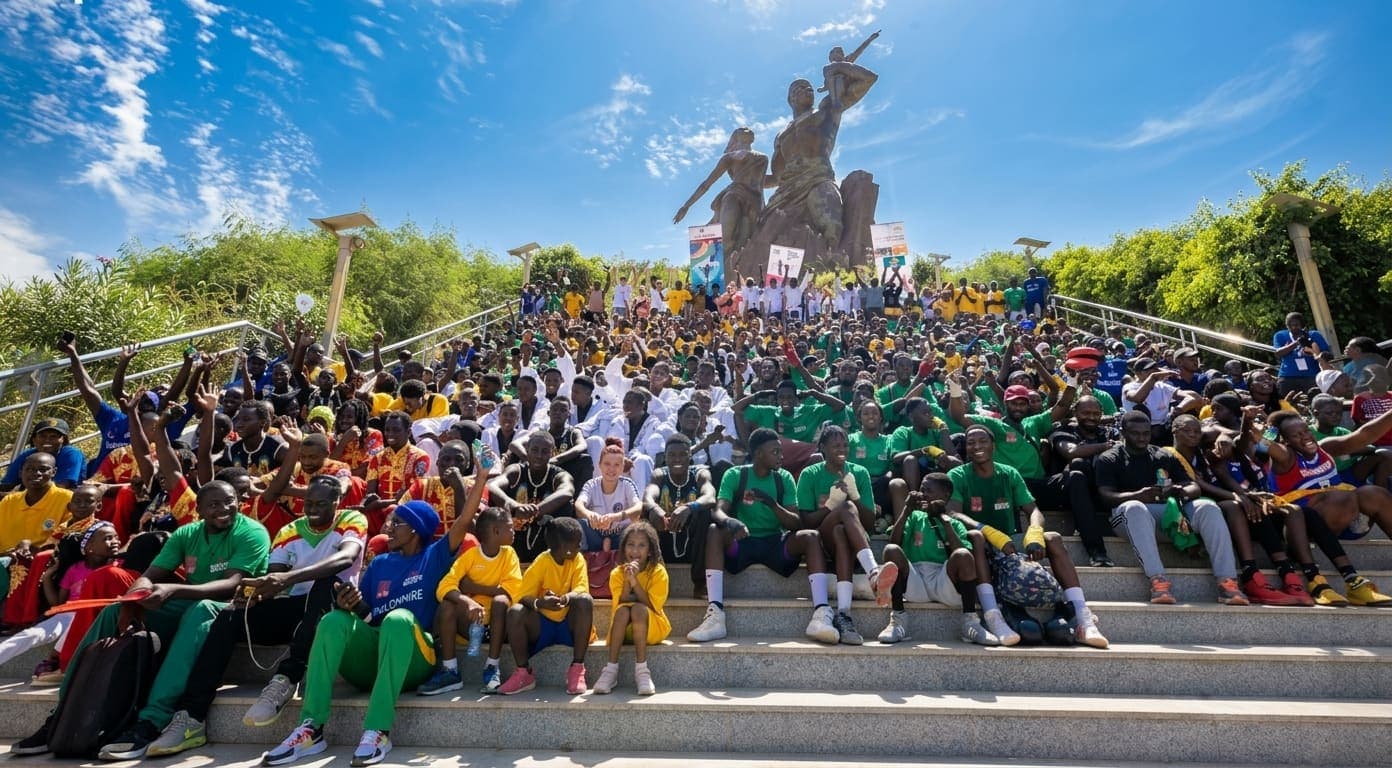
On Saturday, 31 October 2026, in Dakar, Bassirou Diomaye Faye spoke before heads of state and government, the president of the International Olympic Committee and several foreign delegations. The setting was not neutral: the capital was preparing to host, that very afternoon, the official opening ceremony of the Youth Olympic Games. The summit on sport and sustainable development that preceded it was therefore no mere protocol prelude. It was an exercise in framing: saying, before the celebration began, what the celebration would have to leave behind.
The Senegalese president set out his own equation: beyond the competitions, the Dakar YOG should help build a sporting youth and bring about a genuine sports economy in the service of development. The formula is skilful because it shifts the question. It is no longer whether Senegal can host the Games — that answer is now a matter of fact — but whether it can make them into something more than a summer of celebration. Behind the words lies a material reality: infrastructure built or renovated in Diamniadio and elsewhere, facilities 'of high standard and of proximity' that the head of state says should give young people spaces in which to flourish, strengthen community ties and foster social cohesion.
When the stadium lights go out and the dignitaries fly home, who in Diamniadio will actually own the "sports economy"—and will it be the generation in the stands, or the same gatekeepers who built the flame?