Opportunities
Sunulife · Mon, Aug 24, 2026 · 2 min read
Dakar, Washington, and the Senegalese Art of Negotiation: The Three Points That Will Decide Everything
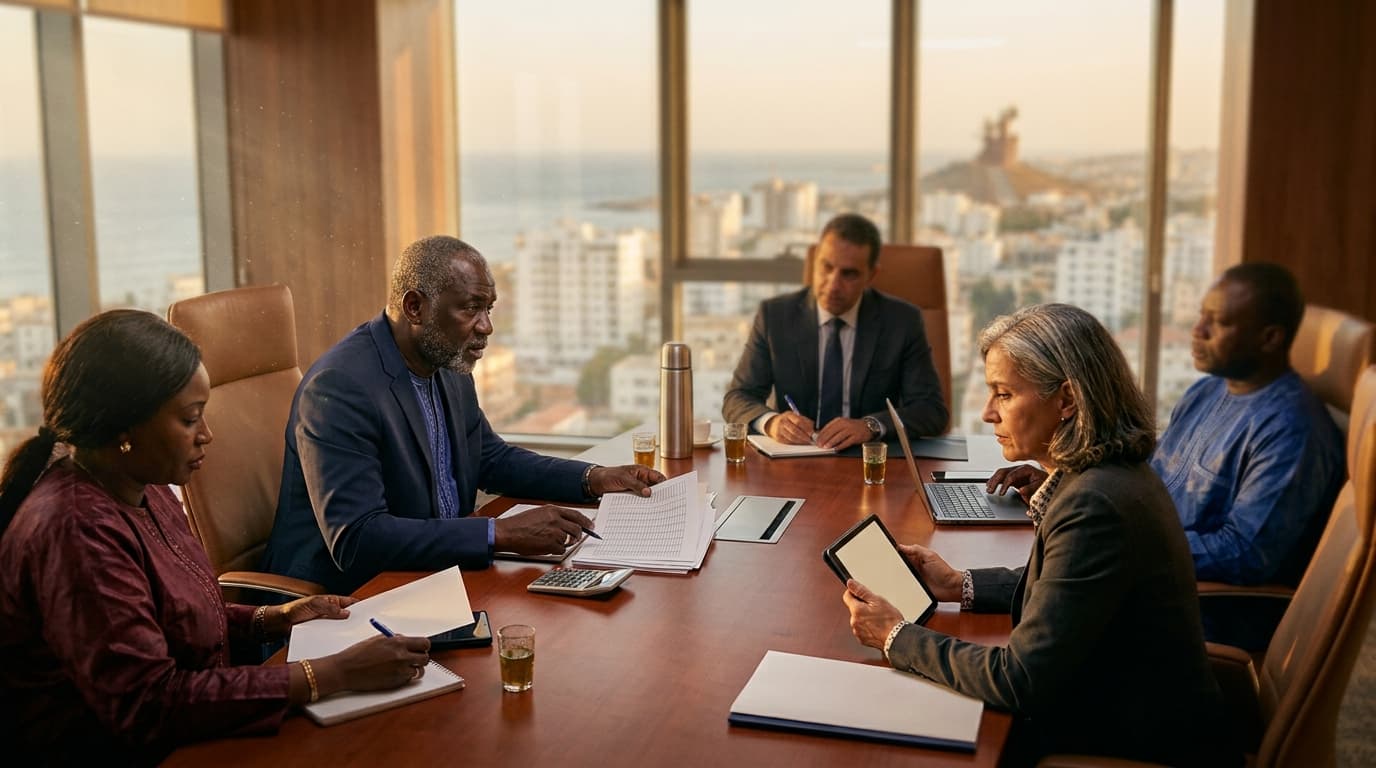
On August 19, a new IMF mission opened in Dakar, and for the first time in months, the air smelled of a deal. Not a spectacular one, no—but that quiet thrill that precedes historic compromises. In the hushed corridors of the central bank, whispers suggest the two sides have never been closer. And yet, as is customary in negotiations involving Senegal, nothing is settled until the last lines are signed. Talks could still stretch for several more weeks, and each passing day is a lesson in patience for those following the nation's economic twists from Paris to Montreal. At the heart of the standoff, three points crystallize the tensions. The first is the question of hidden debts—that occult liability that has weighed on the country's financial credibility and which Dakar must now expose to the light of day. The IMF demands radical transparency, a complete X-ray of public finances, without makeup or veneer. Senegal, with its tradition of dialogue and its consummate art of negotiation, accepts the principle but wants to keep control over the timeline and method. How to reveal without fully unveiling? How to acknowledge past mistakes without mortgaging the future? The second point touches on economic governance and resource management. The IMF pushes for structural reforms that would guarantee that taxpayers' money—and that of international partners—no longer evaporates into opaque circuits. For Senegal, it is about finding a balance between the demands of rigor and the need to pre